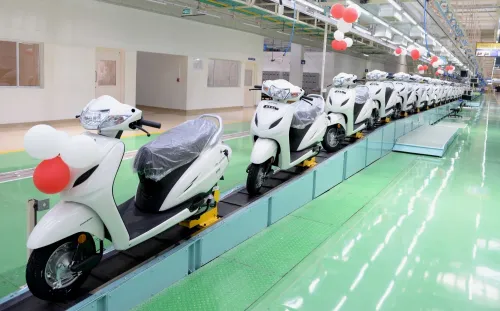
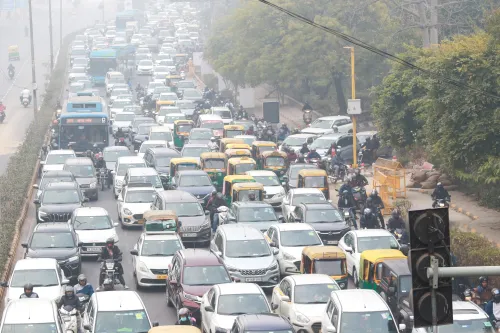
Indian Auto Industry Set for Growth in Q1 FY27 Despite Global Challenges
Synopsis
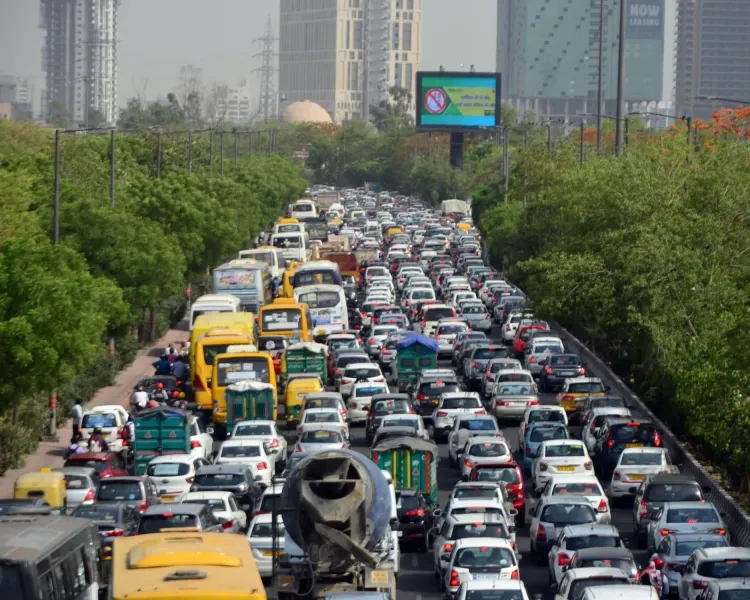
The Indian automobile retail sector is forecasted to achieve strong growth in the first quarter of FY27, supported by seasonal factors and tax benefits, amid ongoing geopolitical uncertainties.
Key Takeaways
Positive growth anticipated in Indian auto sector for Q1 FY27.
49.81% of dealers expect growth, indicating strong demand.
Rabi harvest and marriage season boost retail sales.
Major risks include economic slowdown and supply chain disruptions.
Growing interest in electric vehicles signals a shift in consumer preferences.
New Delhi, April 6 (NationPress) The Indian auto retail sector is anticipated to experience positive growth during the first quarter of the current fiscal year (Q1 FY27), despite the prevailing geopolitical uncertainties. This growth is expected to be supported by the marriage season in the northern regions, the rabi harvest, and the ongoing benefits stemming from GST 2.0 that enhance affordability, according to a recent report released on Monday.
The Federation of Automobile Dealers Associations (FADA) expressed a cautiously optimistic outlook for the April–June period.
“Our survey indicates that 49.81% of dealers foresee growth, while 40.52% anticipate stable performance and 9.67% expect a decline in sales. This distribution highlights an awareness of the immediate challenges, yet structural demand remains strong,” FADA stated.
Looking ahead to FY27 overall, confidence among dealers has significantly improved, with 74.72% expecting growth, primarily within the 3–7% range.
“This reflects the dealer community's perception that the current uncertainties are temporary rather than fundamentally structural, reinforcing the medium-term outlook for demand in India,” the report elaborated.
Demand in the upcoming three months will be influenced by various factors. Positively, the marriage season will boost retail activity in the northern states through May, while new model launches, especially in the passenger vehicle (PV) and two-wheeler (2W) categories, will help sustain customer inquiries. Additionally, the ongoing advantages of GST 2.0 are expected to continue facilitating sales conversions.
The completion of the rabi harvest is likely to enhance cash flows in rural areas, thereby sustaining demand in the short term. Favorable weather conditions, with the Indian Meteorological Department predicting normal to slightly below-normal temperatures in April, are likely to bolster agricultural sentiment and mobility demand, the report noted.
However, dealers are concerned about three primary risks. The most significant risk, cited by 40.5% of respondents, is a potential overall economic slowdown and a decline in consumer sentiment, reflecting the broader impact of geopolitical uncertainties on consumer confidence.
The second major risk, identified by 30.5% of dealers, is the disruption in supply from original equipment manufacturers (OEMs) and the unavailability of models, a situation exacerbated by the West Asia conflict, which has affected global logistics and production schedules.
Interestingly, 56.9% of dealers have reported a growing interest in electric vehicles (EVs) and CNG vehicles, indicating a significant structural shift within the industry.
“Overall, we predict that Q1 FY27 will witness moderate yet healthy growth, as the sector stabilizes following the sharp re-evaluation experienced in H2 FY26,” the FADA report concluded.
Point of View
It's essential to recognize that while the Indian auto sector faces international challenges, the underlying demand trends indicate resilience. This growth highlights the sector's adaptability and the potential for recovery amidst uncertainties.
NationPress
22 Oct 2026
Frequently Asked Questions
What factors are contributing to growth in the Indian auto sector?
The growth is mainly driven by the marriage season, the rabi harvest, and the benefits from GST 2.0, which enhance affordability.
What percentage of dealers expect growth in FY27?
Approximately 74.72% of dealers anticipate growth in FY27, with expectations clustered in the 3–7% range.
What are the main risks faced by auto dealers?
The primary risks include an overall economic slowdown, supply disruptions from OEMs, and the impact of geopolitical conflicts.
How are electric vehicles affecting the auto market?
There is a growing interest in electric and CNG vehicles, with 56.9% of dealers noting this trend as a significant structural change.
What is the forecast for the Indian auto sector in Q1 FY27?
The sector is expected to experience moderate but healthy growth as it normalizes after the previous fiscal adjustments.