RBI moves Supreme Court to review YES Bank AT-1 bond write-off verdict
Synopsis
The RBI has gone back to the Supreme Court, filing a review petition just weeks after the apex court upheld bondholders' claims over ₹8,415 crore in YES Bank AT-1 bonds written off during the 2020 bank rescue. With YES Bank's CET1 ratio potentially facing a 250-basis-point hit, the outcome of this review could redefine how India's banking bailout toolkit — and AT-1 instruments — work in future crises.
Key Takeaways
The RBI filed a review petition in the Supreme Court on 13 November 2026 against the verdict invalidating YES Bank's ₹8,415 crore AT-1 bond write-off.
YES Bank had separately filed its own review petition under Article 137 of the Constitution after the 15 October Supreme Court ruling.
The bonds in dispute: ₹3,000 crore at 9.5% coupon (issued December 2016 ) and ₹5,415 crore at 9% coupon (issued October 2017 ).
The Supreme Court ruled the write-down was beyond the administrator's powers as the authorising clause had been removed from the final reconstruction scheme before it took effect on 13 March 2020 .
Reinstatement of the bonds could reduce YES Bank's CET1 ratio by around 250 basis points based on its June 2026 capital position.
Axis Trustee Services has flagged potential contempt proceedings over alleged non-compliance with the court's restoration directions.
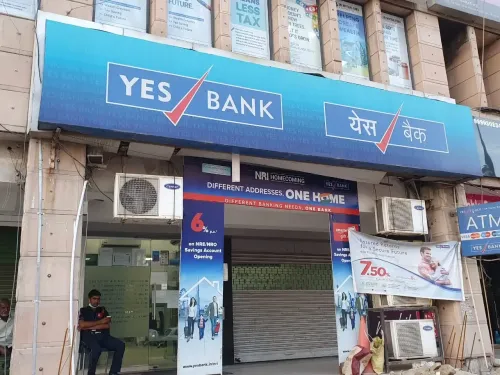
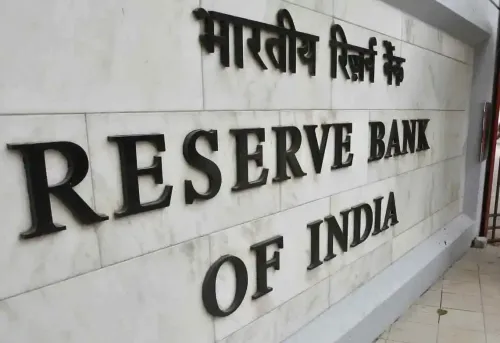
The Reserve Bank of India (RBI) has filed a review petition before the Supreme Court challenging the apex court's earlier judgment that struck down the write-off of YES Bank's ₹8,415 crore Additional Tier-1 (AT-1) bonds, according to details available on the Supreme Court's official website. The central bank filed the review plea on 13 November 2026, days after YES Bank itself disclosed it had separately approached the Supreme Court seeking reconsideration of the 15 October verdict under Article 137 of the Constitution.
Background: The October Verdict
In its October 2026 ruling, the Supreme Court upheld the Bombay High Court's January 2023 decision that invalidated the write-off of YES Bank's AT-1 bonds — instruments written down during the lender's reconstruction in March 2020. The apex court also dismissed appeals filed by the RBI, YES Bank, and the Union government challenging the High Court's judgment.
The court found that the administrator of YES Bank could not legally write down the bonds after the final reconstruction scheme took effect on 13 March 2020. Crucially, the Supreme Court noted that a provision expressly authorising such a write-down had been removed from the approved reconstruction scheme before it became operative — rendering the administrator's action beyond the scope of sanctioned powers.
The Bonds at the Centre of the Dispute
The dispute involves two separate AT-1 bond issuances with a combined face value of ₹8,415 crore. The first comprised ₹3,000 crore of bonds carrying a 9.5% coupon, issued in December 2016. The second comprised ₹5,415 crore of bonds with a 9% coupon, issued in October 2017. AT-1 bonds are perpetual capital instruments designed to absorb losses during periods of financial stress; they form part of banks' regulatory capital under Basel III norms.
YES Bank had written off both issuances as part of the RBI-supervised reconstruction process following severe financial strain driven by rising bad loans, governance failures, and capital adequacy concerns.
How the Legal Battle Unfolded
The legal challenge was first initiated by Axis Trustee Services, acting on behalf of bondholders, which filed a petition before the Bombay High Court in May 2020. The High Court ruled in favour of investors in January 2023, a decision the Supreme Court subsequently affirmed. Following that verdict, Axis Trustee Services sought full restoration of the bonds and all associated rights, including reinstatement in depository and exchange records. The trustee has also signalled the possibility of initiating contempt proceedings over alleged non-compliance with the court's directions.
The apex court separately clarified that annual coupon payments linked to the bonds would remain governed by the terms of the respective information memorandums and would not be affected by the outcome of the appeals.
Capital Impact on YES Bank
The case carries material consequences for YES Bank's regulatory capital position. The lender has previously disclosed that reinstatement of the principal amount of the AT-1 bonds could reduce its Common Equity Tier-1 (CET1) ratio by approximately 250 basis points based on its June 2026 capital position, though it noted the impact on its overall Tier-1 capital ratio would differ. The review petitions filed by both the RBI and YES Bank mean the matter is set to remain before the apex court for the foreseeable future, keeping uncertainty alive over the lender's capital structure.
Point of View
If left intact, could constrain its crisis-management toolkit in future bank rescues. AT-1 bonds exist precisely to absorb losses before taxpayers do; if courts can override write-downs after the fact, the instrument loses its regulatory logic. What this case also exposes is a drafting failure: the removal of the write-down clause from the final reconstruction scheme gave bondholders their winning argument. That oversight now threatens a 250-basis-point CET1 hit for YES Bank — a lender still rebuilding credibility years after its near-collapse. The broader lesson for India's resolution framework is uncomfortable: legal uncertainty around loss-absorption instruments makes future bank rescues messier and costlier.
NationPress
16 Nov 2026
Frequently Asked Questions
Why has the RBI filed a review petition in the Supreme Court over YES Bank's AT-1 bonds?
The RBI filed the review petition on 13 November 2026 to challenge the Supreme Court's October 2026 ruling that struck down the write-off of YES Bank's ₹8,415 crore AT-1 bonds during the bank's 2020 reconstruction. The central bank contests the verdict's implications for its authority to manage bank rescues and enforce loss-absorption on regulatory capital instruments.
What are AT-1 bonds and why were YES Bank's written off?
Additional Tier-1 (AT-1) bonds are perpetual capital instruments under Basel III norms, designed to absorb losses when a bank faces financial stress. YES Bank's AT-1 bonds were written off in March 2020 as part of an RBI-supervised reconstruction plan after the lender faced a crisis of rising bad loans, governance failures, and capital shortfalls.
What did the Supreme Court rule in October 2026 on the YES Bank AT-1 bonds?
The Supreme Court upheld the Bombay High Court's January 2023 decision that the write-off was invalid, ruling that the administrator lacked the authority to write down the bonds after the final reconstruction scheme came into effect on 13 March 2020. The court noted that the scheme's approved text had removed the clause expressly permitting such a write-down.
What is the financial impact on YES Bank if the AT-1 bonds are reinstated?
YES Bank has disclosed that reinstating the ₹8,415 crore principal could reduce its Common Equity Tier-1 (CET1) ratio by approximately 250 basis points, based on its June 2026 capital position. The impact on its overall Tier-1 capital ratio would differ and is subject to the final legal outcome.
What has Axis Trustee Services demanded after the Supreme Court verdict?
Axis Trustee Services, representing bondholders, has sought full restoration of the bonds and all associated rights, including reinstatement in depository and exchange records. It has also flagged the possibility of initiating contempt proceedings if the court's directions on restoration are not complied with.