RBI's Malhotra: Only 20-30% of eligible exports use FTA benefits
Synopsis
India's trade pacts are working better for its partners than for India. RBI Governor Sanjay Malhotra says only 20-30% of eligible Indian exports claim FTA tariff concessions, against 60-70% by partner countries. With MSME credit up 27% in a year, he argues the bigger problem is now market access, not money.
Key Takeaways
RBI Governor Sanjay Malhotra said only 20-30% of eligible Indian exports use FTA tariff concessions, versus 60-70% by partner countries exporting to India.
He urged MSMEs to learn the relevant FTAs and invest in quality, standards and certification.
Bank lending to MSMEs grew 27% year-on-year in the 12 months to September 2026 , against 19.4% for overall bank credit.
Outstanding MSME credit rose from ₹17.97 lakh crore (Sept 2021) to ₹42.89 lakh crore (Sept 2026), a CAGR of about 19% .
The collateral-free loan limit for micro and small enterprises was raised from ₹10 lakh to ₹20 lakh from 1 April 2026 , the first revision since 2010 .
Banks may extend the limit to ₹25 lakh for borrowers with strong credentials.
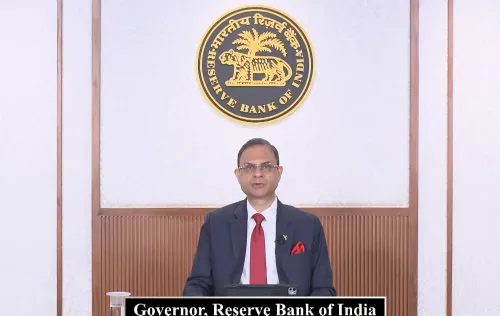
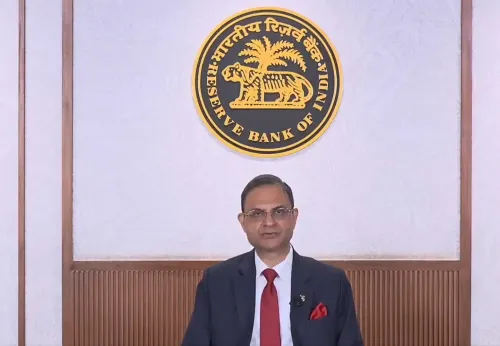
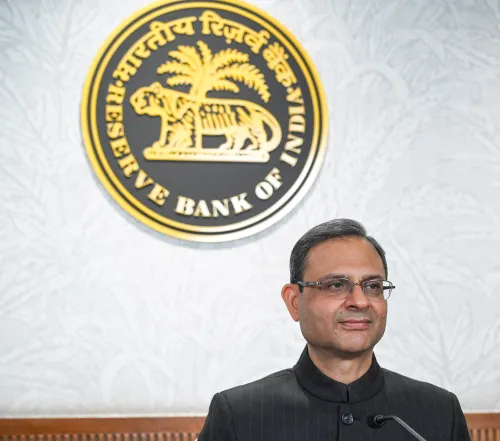
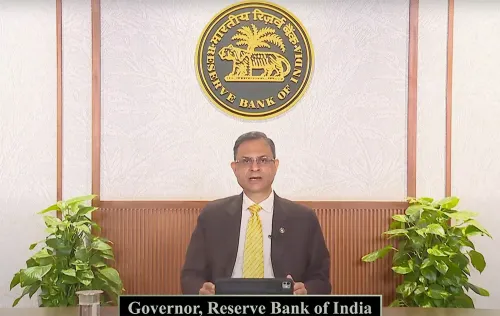
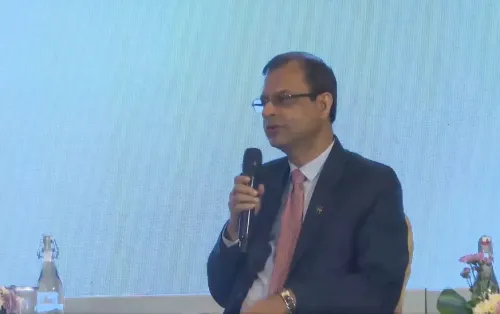
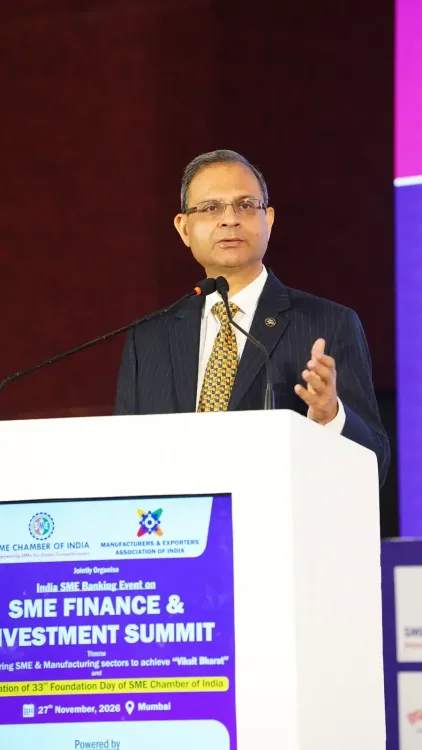
Reserve Bank of India (RBI) Governor Sanjay Malhotra on Friday, 27 November 2026, said Indian exporters, especially micro, small and medium enterprises (MSMEs), are not making full use of the country's free trade agreements (FTAs). He said only 20-30 per cent of eligible exports claim tariff concessions, while partner countries exporting to India use 60-70 per cent of theirs. Speaking at the SME Finance & Investment Summit in Mumbai, Malhotra said India was leaving a significant opportunity untapped.
The FTA Utilisation Gap
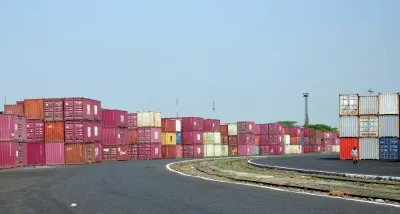
The figures point to a clear imbalance. Partner economies use the concessions in India's trade pacts at roughly two to three times the rate Indian exporters do in return. In effect, foreign exporters are getting more out of these agreements than Indian businesses are.
Malhotra urged MSMEs to look beyond domestic markets and use India's growing network of trade agreements. He advised businesses to learn which FTAs apply to their products. He also asked them to invest in quality, standards and certification to improve their access to overseas markets.
Why the Trade Pacts Matter for Small Businesses
According to the RBI Governor, India's expanding FTA ecosystem offers access to new markets, lower-cost quality inputs, and a route into global value chains. Some of these agreements include dedicated provisions for SMEs.
Malhotra added that labour-intensive MSME sectors could help spread the gains from international trade more widely. He framed trade integration as a question of distribution as well as export volumes.
MSME Credit Growth Outpaces Overall Lending
The Governor also pointed to progress on credit access. Bank lending to MSMEs grew 27 per cent year-on-year in the 12 months ended September 2026, ahead of the 19.4 per cent growth in overall bank credit.
Outstanding credit to the sector rose from ₹17.97 lakh crore in September 2021 to ₹42.89 lakh crore in September 2026. That is a compound annual growth rate of around 19 per cent, and the stock of MSME credit has more than doubled in five years.
Malhotra said the MSME credit gap has narrowed considerably in recent years. He added that more attention is now needed for:
- first-time borrowers
- micro enterprises
- women-led businesses
- units in smaller towns and rural areas
RBI's Recent Measures for Small Businesses
Malhotra also highlighted the central bank's recent steps to ease financing for small businesses. Earlier this year, the RBI doubled the mandatory collateral-free loan limit for micro and small enterprises from ₹10 lakh to ₹20 lakh. The new limit applies to loans sanctioned or renewed from 1 April 2026 and is the first revision since 2010.
Under their internal policies, banks may raise the limit further to ₹25 lakh for borrowers with strong financial credentials. The change was meant to ease one of the most persistent barriers for small units, which is the lack of assets to pledge as security.
What Lies Ahead
The Governor's remarks shift the focus from credit availability to market access. The next test is whether exporters, industry bodies and trade facilitation agencies act to close the gap in FTA utilisation. If that gap persists, India risks giving partner countries more market access than its own exporters gain in return.
Point of View
And its partners benefit more from them. A 20-30% utilisation rate against 60-70% for partner exporters suggests the bottleneck lies in rules-of-origin paperwork, certification costs and awareness gaps that small firms cannot absorb alone. Raising the collateral-free loan limit and expanding credit were necessary steps, but credit cannot fix weak market access. If New Delhi keeps signing trade pacts without building export facilitation for MSMEs, each new FTA risks widening the trade imbalance it was meant to correct.
NationPress
27 Nov 2026
Frequently Asked Questions
What did RBI Governor Sanjay Malhotra say about FTAs?
Malhotra said Indian exporters, especially MSMEs, are underusing India's free trade agreements, with only 20-30% of eligible exports claiming tariff concessions. Partner countries exporting to India use 60-70% of the concessions available to them.
Where and when did Malhotra make these remarks?
He spoke at the SME Finance & Investment Summit in Mumbai on Friday, 27 November 2026.
How fast is bank credit to MSMEs growing?
Bank lending to MSMEs grew 27% year-on-year in the 12 months ended September 2026, faster than the 19.4% growth in overall bank credit. Outstanding MSME credit rose from ₹17.97 lakh crore in September 2021 to ₹42.89 lakh crore in September 2026.
What is the new collateral-free loan limit for MSMEs?
The RBI raised the mandatory collateral-free loan limit for micro and small enterprises from ₹10 lakh to ₹20 lakh for loans sanctioned or renewed from 1 April 2026. Banks may go up to ₹25 lakh for borrowers with strong financial credentials.
Which MSME segments need more attention, according to the RBI Governor?
Malhotra said first-time borrowers, micro enterprises, women-led businesses and units in smaller towns and rural areas need greater focus, even though the overall MSME credit gap has narrowed.