RBI likely to hike repo rate 25 bps each in Dec, Feb as CPI breaches 6%
Synopsis
India's retail inflation hit 6.1% in October — the first breach of the RBI's 6% ceiling in the new CPI series — and the breadth of the surge is what makes it alarming: nearly two-thirds of the average household's consumption basket is now rising faster than the RBI's 4% mid-point target. A brokerage is now calling back-to-back 25 bps rate hikes in December and February, with a terminal rate of 6.25% in sight.
Key Takeaways
India's CPI inflation rose to 6.1 per cent in October 2026 — the first breach of the 6 per cent upper tolerance band in the new CPI series.
Choice Institutional Equities forecasts 25 bps repo rate hikes at both the December 2026 and February 2027 MPC reviews.
The repo rate is headed toward a terminal rate of approximately 6.25 per cent from the current 5.5 per cent .
Core inflation firmed to 4.6 per cent ; around 60 per cent of the consumption basket is now inflating faster than 4 per cent .
Food and beverages inflation hit 8.5 per cent ; dairy reached a series-high 5.6 per cent , driven by cooperative price hikes by Amul , Mother Dairy , and Nandini .
WPI inflation jumped to 12.3 per cent , nearly double the CPI pace, signalling further retail price pass-through ahead.
The Reserve Bank of India (RBI) is widely expected to raise the repo rate by 25 basis points at each of its next two Monetary Policy Committee (MPC) reviews — in December 2026 and February 2027 — after India's headline retail inflation breached the central bank's upper tolerance ceiling of 6 per cent for the first time in the new Consumer Price Index (CPI) series, according to a report by Choice Institutional Equities released on Tuesday, 17 November 2026.
Inflation Breaches the Ceiling
India's headline CPI inflation climbed to 6.1 per cent in October 2026, up from 5.5 per cent in September — marking the first time the 6 per cent upper tolerance band has been crossed in the new CPI series. The breach is significant because it formally puts the RBI in a position where it must justify its policy stance to the government under the inflation-targeting framework.
According to the report, the repo rate is now on a trajectory toward a terminal rate of approximately 6.25 per cent, rising from the current 5.5 per cent, with the risk tilted toward further tightening rather than a pause.
Inflation Broad-Based, Not Just Food
The report underscores that this is no longer a narrow, food-driven inflation episode. Core inflation firmed to 4.6 per cent from 4.5 per cent, and the share of the consumption basket inflating faster than 4 per cent widened sharply — to around 60 per cent from roughly 37 per cent just a month earlier.
'Almost two-thirds of what the average household buys is now rising faster than the mid-point of the RBI's target,' the report noted, flagging that the inflation challenge has become structurally broad rather than transient.
Food Prices at Series Highs
Food and beverages inflation accelerated to 8.5 per cent from 7.4 per cent, while the narrower food index reached a new-series high of 8.9 per cent. Vegetables surged to 10.9 per cent — also a new-series high — even as wholesale vegetable prices began to cool, suggesting that retail price pass-through is still catching up with upstream costs.
Dairy has emerged as one of the stickiest components in the basket. Milk, eggs and dairy inflation hit a series-high of 5.6 per cent, up from near 3 per cent in January 2026. The report attributes this not to seasonality but to pricing decisions by major cooperatives: Amul, Mother Dairy, and Nandini have raised prices almost every other month, pushing average retail milk to approximately ₹63 per litre from ₹59 in March 2026.
Rural and Urban India Both Under Pressure
Rural inflation rose to 6.6 per cent while urban inflation climbed to 5.4 per cent, both accelerating sharply. The urban number is rising faster than before, according to the report, as the food shock filters into cities through processed products, dining out, and transport costs.
Wholesale price pressures remain elevated: WPI inflation accelerated to 12.3 per cent from 11.4 per cent, running at almost twice the pace of CPI. Fuel and power WPI stood at 32.8 per cent, with crude close to doubling — signalling that much of the wholesale cost build-up has yet to reach the retail shelf.
What the RBI Is Likely to Do Next
'The breach pulls the RBI into a corner. We see 25 bps hikes at both the December and February reviews,' the Choice Institutional Equities report stated. If the two successive hikes materialise, the repo rate would rise from 5.5 per cent to 6 per cent by February — still below the projected terminal rate of 6.25 per cent, leaving the door open for further action depending on how inflation evolves.
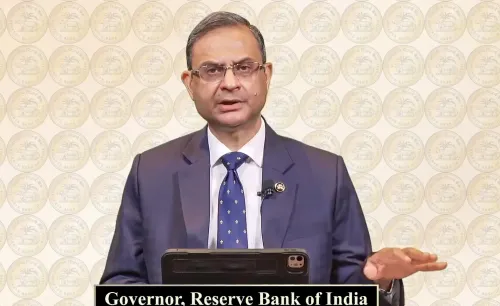
The next MPC meeting outcome and any commentary from RBI Governor on the inflation trajectory will be closely watched by bond markets, lenders, and borrowers alike, as higher rates translate directly into elevated EMIs on home, auto, and personal loans.
Point of View
The central bank has little political cover to hold rates. The more worrying signal is from WPI at 12.3 per cent: a wholesale pipeline running at nearly double the retail pace means the worst of the price pass-through has not arrived yet. Two hikes may well be the floor, not the ceiling.
NationPress
17 Nov 2026
Frequently Asked Questions
Why is the RBI expected to hike the repo rate in December and February?
India's retail inflation hit 6.1 per cent in October 2026, breaching the RBI's upper tolerance limit of 6 per cent for the first time in the new CPI series. According to a report by Choice Institutional Equities, this breach leaves the central bank with little choice but to raise rates, with 25 bps hikes projected at both the December 2026 and February 2027 MPC reviews.
What is the current repo rate and where is it headed?
The repo rate currently stands at 5.5 per cent. If the projected back-to-back hikes materialise, it would reach 6 per cent by February 2027, with the Choice Institutional Equities report pointing to a terminal rate of approximately 6.25 per cent.
Why is the October inflation print considered especially alarming?
The concern is not just the headline number but its breadth. Core inflation rose to 4.6 per cent, and around 60 per cent of the average household's consumption basket is now inflating faster than the RBI's 4 per cent mid-point target — up from about 37 per cent the previous month. This means the inflation pressure is widespread, not confined to volatile food items.
What is driving food inflation in October 2026?
Food and beverages inflation rose to 8.5 per cent, with the food index alone hitting a new-series high of 8.9 per cent. Vegetables surged 10.9 per cent, also a series high, while dairy inflation hit 5.6 per cent as cooperatives Amul, Mother Dairy, and Nandini raised milk prices repeatedly, taking average retail milk to roughly ₹63 per litre from ₹59 in March 2026.
How do higher repo rates affect ordinary borrowers?
A repo rate hike directly raises banks' cost of funds, which typically gets passed on to retail borrowers through higher interest rates on home loans, auto loans, and personal loans, increasing EMIs. With two consecutive hikes on the table, borrowers on floating-rate loans could see their monthly outgo rise in early 2027.