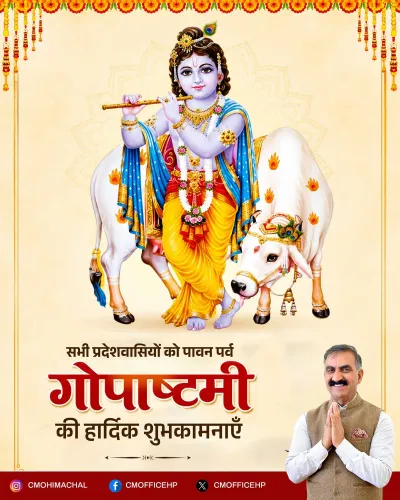
CM Nayab Saini Greets Haryana on Gopashtami 2026
Synopsis
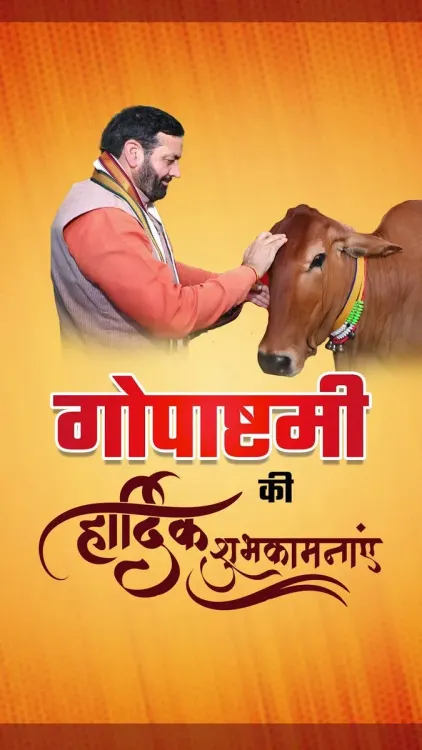
Haryana Chief Minister Nayab Singh Saini on November 17, 2026 extended Gopashtami greetings, calling the annual cow-worship festival a symbol of Gau-seva, compassion, and Sanatan culture, in keeping with BJP's cultural outreach tradition.
Key Takeaways
Nayab Singh Saini , Chief Minister of Haryana, posted Gopashtami greetings on November 17, 2026 .
Gopashtami is observed on the eighth day of Shukla Paksha in Kartik month , dedicated to cow worship and Krishna traditions.
Saini described the festival as a symbol of gau-seva (cow service), compassion, and Sanatan culture.
His post included a video and reached a wide audience on the platform.
BJP state leaders routinely mark Kartik-month festivals with public greetings as part of cultural outreach.
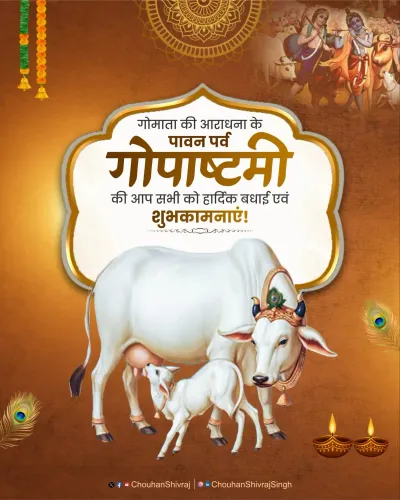
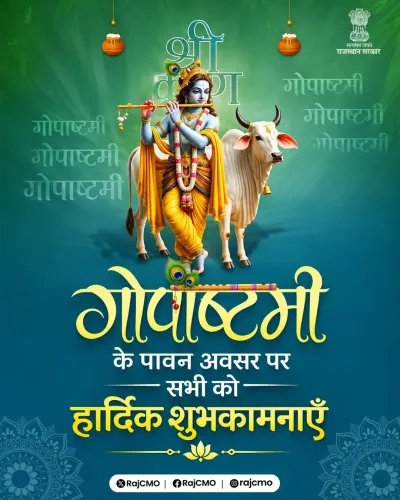
On the auspicious occasion of Gopashtami, Haryana Chief Minister Nayab Singh Saini extended warm greetings to the people of the state, invoking the festival's enduring connection to cow reverence, compassion, and Sanatan culture.
Posting on Tuesday, November 17, 2026, Saini described Gopashtami as a 'pavan parv' (sacred festival) — a symbol of 'unwavering devotion to Gau-seva, compassion, and Sanatan culture.' The message, accompanied by a video, reached lakhs of followers across the platform, blending cultural sentiment with the Chief Minister's public outreach during the Kartik festival season.
What Gopashtami marks — and why it matters in Haryana
Gopashtami falls on the eighth day of the Shukla Paksha in the month of Kartik — one of Hinduism's most festival-dense lunar months. The day is dedicated to the worship of cows and is rooted in Krishna tradition, commemorating the moment a young Krishna first took cows out to graze as a cowherd. Rituals typically include bathing, decorating, and feeding cows, alongside prayers seeking their blessings.
In Haryana, a state with a large agrarian population and deep cultural ties to cattle rearing, the festival carries both spiritual and social weight. Cow welfare — commonly referred to as gau-seva — is a recurring theme in the state's public discourse.
BJP's Kartik calendar and cultural outreach in the states
BJP chief ministers across India regularly mark Hindu festivals with public greetings during the Kartik month, a practice that blends cultural identity with political visibility. For Saini, whose party has governed Haryana and leaned heavily on themes of tradition and heritage, the Gopashtami message fits a consistent pattern of cultural engagement — reinforcing the party's connect with Hindu devotees without making direct policy announcements.
It is a soft but deliberate signal: governance and cultural pride, walking side by side.
Point of View
Low-risk, and reliably resonant with Hindu voters in a predominantly agrarian state like Haryana. It carries no direct policy weight but reinforces the party's brand positioning around Sanatan values and animal welfare, themes that have proven durable in state politics. Issued during the politically active Kartik festival season, such messages serve as cultural touchpoints that keep the Chief Minister visible and symbolically aligned with his core base. The pattern, repeated across BJP-governed states, signals that cultural identity remains central to the party's grassroots communication strategy.
NationPress
17 Nov 2026
Frequently Asked Questions
What is Gopashtami and when is it celebrated?
Gopashtami is an annual Hindu festival observed on the eighth day of Shukla Paksha in the month of Kartik. It is dedicated to the worship of cows and commemorates Krishna's first day as a cowherd, with rituals including bathing, decorating, and feeding cows.
Why did Haryana CM Nayab Saini post about Gopashtami?
Nayab Singh Saini extended Gopashtami greetings as part of his public cultural outreach, calling the festival a symbol of Gau-seva, compassion, and Sanatan culture — a practice common among BJP chief ministers during the Kartik festival season.
What does Gau-seva mean?
Gau-seva means 'service to cows' in Hindi and Sanskrit. It refers to the act of caring for and protecting cows, which holds deep religious significance in Hindu tradition and is frequently invoked in Indian political and cultural discourse.
Is Gopashtami a public holiday in Haryana?
Gopashtami is primarily a religious observance. While it is widely celebrated across Hindu communities in Haryana, it is not universally designated as a public holiday, though local events and temple programmes mark the occasion.
How does BJP use Hindu festivals in its political messaging?
BJP leaders, including chief ministers, routinely post greetings for major Hindu festivals to reinforce cultural identity and connect with voters who value religious tradition. These messages are part of a broader communication strategy that emphasises Sanatan values and heritage.