RBI MPC October minutes: Economists back back-to-back 50 bps rate hike in December
Synopsis
The RBI's October MPC minutes have economists doubling down on a 50 bps December rate hike call. With inflation set to approach 6 per cent in Q4, two MPC external members pushing for pre-emptive action, and the rupee still fragile despite a brief rally, India's rate cycle has further to run — and borrowers should take note.
Key Takeaways
SBI Research projects a 50 bps repo rate hike in December , either as a plain hike or a split between a 25 bps repo increase and a 25 bps LAF corridor widening.
RBI MPC minutes for October showed a hawkish pivot, with the repo rate raised by 25 bps and stance shifted to 'calibrated tightening' .
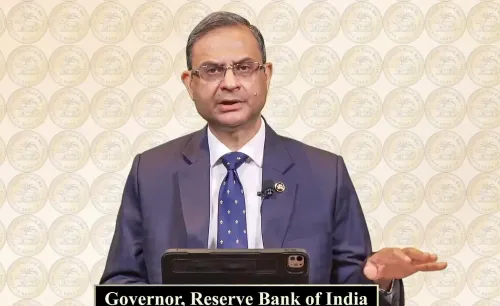
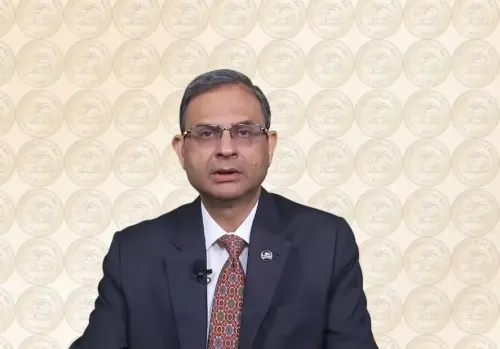
RBI Governor Sanjay Malhotra flagged signs of inflation becoming more generalised; headline inflation is expected near 6 per cent in Q4 CY2026 .
The rupee has strengthened ~1.5 per cent against the dollar this month on forex regulatory measures and IPO-related inflows.
Bond yields remain elevated, with further pressure expected as oil supply concerns resurface.
Leading economists on Thursday, 22 October maintained their outlook for a back-to-back repo rate hike in December, after the Reserve Bank of India (RBI) Monetary Policy Committee (MPC) minutes for October revealed a sharply hawkish tone, signalling further policy tightening amid broadening inflationary pressures and a weakening rupee.
What the SBI Research Report Projects
A report by SBI Research said it continues to project a 50 basis points (bps) rate hike in December. The report outlined two possible paths: a 'plain vanilla' 50 bps repo rate increase, or an 'exotic' structure comprising a 25 bps repo rate hike combined with a 25 bps asymmetric widening of the Liquidity Adjustment Facility (LAF) corridor — with the Marginal Standing Facility (MSF) rising to 6.25 per cent and the Standing Deposit Facility (SDF) at 5.50 per cent.
Dr Soumya Kanti Ghosh, Group Chief Economic Adviser at State Bank of India, said: 'The broadening of inflationary pressures, alongside persistent rupee weakness, calls for close monitoring by the RBI and a calibrated policy response to contain inflation risks and reinforce monetary transmission.' He added: 'We expect the peak inflation rate by November below 6.5 per cent and with these elevated levels, such generalisation warrants close monitoring by the RBI.'
Hawkish Pivot in MPC Minutes
According to Radhika Rao, Senior Economist and Executive Director at DBS Bank, the October MPC minutes reflected a 'hawkish pivot', with the repo rate raised by 25 bps and the monetary policy stance shifted to 'calibrated tightening'. 'Members cited rising inflationary pressures and firm growth as reasons behind the 25 bps hike,' she noted.
Rao further explained that two external MPC members emerged as the most hawkish, emphasising broadening inflation risks and calling for pre-emptive action. Two others were characterised as mildly hawkish or neutral, supporting only incremental hikes and explicitly rejecting signals of a prolonged tightening cycle. RBI Governor Sanjay Malhotra highlighted emerging signs of inflation becoming more generalised, and with inflation set to rise to 6 per cent in the fourth calendar quarter, Rao said 'the door remains open for a back-to-back hike in December.'
Currency and Bond Market Reaction
In financial markets, bond yields stayed elevated even as the rupee strengthened, aided by forex regulatory measures gaining traction. The rupee has appreciated by approximately 1.5 per cent against the US dollar this month, defying typical headwinds from rising oil prices and subdued global risk sentiment, while FX forward premiums remain elevated.
Inflows linked to the country's biggest-ever equity IPO also contributed to foreign exchange gains, according to economists. Notably, the currency is currently showing limited sensitivity to external developments, while the bond market is expected to remain under pressure as concerns over oil supply return to the fore.
Why This Matters
The RBI's October rate action and the hawkish tilt in the MPC minutes come amid a challenging global macro environment — rising crude oil prices, a strong US dollar, and sticky domestic food inflation. This is the latest in a series of tightening moves by the central bank aimed at anchoring inflation expectations within the 2–6 per cent target band. A further December hike, if realised, would mark one of the more aggressive near-term tightening sequences in recent RBI history. Markets and borrowers alike will now scrutinise upcoming inflation prints closely for signs of whether the peak is near.
Point of View
Two more cautious — signals that any December hike may be harder-fought than October's. The more pressing question is whether the current tightening path is outpacing the rupee's fundamentals or merely papering over structural inflation pressures that rate hikes alone cannot resolve. With oil supply risk back on the table, the RBI's job gets harder, not easier, in the weeks ahead.
NationPress
22 Oct 2026
Frequently Asked Questions
What do the RBI MPC October minutes say about future rate hikes?
The October MPC minutes revealed a hawkish tone, with the repo rate raised by 25 bps and the stance shifted to 'calibrated tightening'. Economists at SBI Research and DBS Bank both interpret the minutes as keeping the door open for a back-to-back 50 bps rate hike in December.
What is SBI Research's forecast for the December repo rate decision?
SBI Research projects a 50 bps rate increase in December, either through a straightforward 50 bps repo rate hike or a split move — 25 bps repo rate increase plus a 25 bps asymmetric widening of the LAF corridor (MSF at 6.25 per cent and SDF at 5.50 per cent).
Why are economists expecting inflation to remain elevated?
Dr Soumya Kanti Ghosh of State Bank of India cited a broadening of inflationary pressures across categories and persistent rupee weakness. SBI Research expects peak inflation to remain below 6.5 per cent by November, while DBS Bank's Radhika Rao expects it to rise to around 6 per cent in Q4.
How has the rupee performed despite the hawkish RBI stance?
The rupee has appreciated by approximately 1.5 per cent against the US dollar this month, supported by forex regulatory measures and inflows from India's biggest-ever equity IPO. However, economists caution it is showing limited reaction to external developments, and bond markets remain under pressure.
Who are the key voices on the RBI MPC and what are their positions?
According to DBS Bank's Radhika Rao, two external MPC members hold the most hawkish positions, stressing broadening inflation risks and pre-emptive action. Two others are described as mildly hawkish or neutral, preferring incremental hikes and explicitly rejecting signals of a prolonged tightening cycle. RBI Governor Sanjay Malhotra has flagged generalisation of inflation as a key concern.