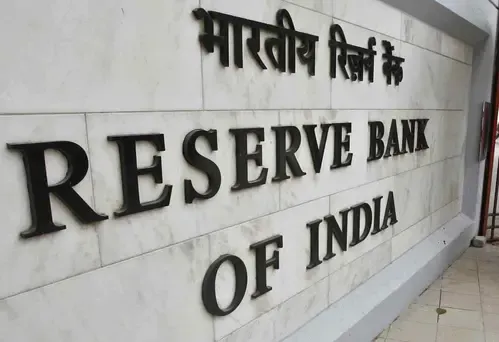
RBI seeks NBFC feedback on revolving credit rules, tightens risk oversight
Synopsis
The RBI is not just consulting NBFCs on revolving credit rules — it is using the process to push the entire sector toward global compliance standards, early risk detection, and stricter data protection. With digital lending booming, the central bank appears to be laying groundwork for a structural regulatory overhaul of non-bank credit.
Key Takeaways
The RBI has sought NBFC feedback on draft guidelines for revolving credit facilities .
The central bank stressed stronger compliance, internal audit, and risk management frameworks during a recent supervisory meeting with senior NBFC executives.
The RBI aims to align the NBFC regulatory framework more closely with global standards .
Self-regulatory organisations (SROs) were told to act as the industry's first line of defence, not as parallel regulators.
NBFCs must comply with the RBI's digital lending framework and the Digital Personal Data Protection Act .
Lenders were also directed to improve consumer grievance redressal within prescribed timelines.
The Reserve Bank of India (RBI) has reached out to non-banking finance companies (NBFCs) for feedback on draft guidelines governing revolving credit facilities, while simultaneously pressing the sector to strengthen compliance, internal audit functions, and risk management frameworks, according to reports. The outreach follows a recent supervisory meeting between central bank officials and senior NBFC executives.
Key Developments
During the interaction, the RBI underscored the importance of robust internal controls and close monitoring of rapidly growing lending products. The regulator also signalled its intent to align the NBFC regulatory framework more closely with global standards — a move that could reshape compliance obligations for hundreds of lenders across the sector.
Notably, the central bank urged NBFCs to identify and address risks arising from new products and business models at an early stage, before vulnerabilities accumulate. This comes amid heightened regulatory scrutiny of technology-driven lending and rapid credit expansion across the non-bank sector.
What the RBI Said on Technology and Data
The RBI acknowledged that NBFCs are frequently early adopters of technology-led lending models and indicated that their on-ground experience could help inform regulations for emerging areas. However, the regulator also directed lenders to ensure full compliance with the RBI's digital lending framework and the Digital Personal Data Protection Act, particularly as digital channels increasingly dominate customer acquisition, underwriting, and loan servicing.
Role of Self-Regulatory Organisations
The role of self-regulatory organisations (SROs) also came up for discussion. The RBI clarified that SROs must not function as parallel regulators; instead, they should serve as the industry's first line of defence — promoting compliance and helping surface emerging risks before they escalate to the regulator.
Consumer Grievance Redressal in Focus
Beyond systemic risk, the central bank advised NBFCs to strengthen consumer grievance redressal mechanisms and ensure that customer complaints are resolved effectively within prescribed timelines. The emphasis on borrower protection reflects a broader regulatory push to align NBFC conduct standards with those applied to scheduled commercial banks.
What Comes Next
The feedback process on revolving credit guidelines is part of the RBI's ongoing supervisory engagement with the sector. Once inputs are consolidated, the central bank is expected to finalise rules that could affect how NBFCs structure and price revolving credit products — a fast-growing segment that includes credit lines and buy-now-pay-later offerings. Industry observers will watch whether the final guidelines introduce capital or provisioning requirements specific to revolving exposures.
Point of View
Global standard alignment, and digital data compliance is not coincidental — it signals a deliberate effort to close the regulatory gap between NBFCs and banks before the sector's rapid growth creates systemic stress. The clarification on SROs is particularly pointed: it suggests the central bank has observed instances where industry bodies overstepped their advisory mandate. What is missing from the public read-out is any detail on timelines or the specific capital treatment proposed for revolving exposures — the most consequential question for NBFC business models that have leaned heavily into credit-line and BNPL products.
NationPress
1 Oct 2026
Frequently Asked Questions
Why is the RBI seeking feedback from NBFCs on revolving credit guidelines?
The RBI is consulting NBFCs on draft rules for revolving credit facilities to regulate a fast-growing lending segment that includes credit lines and buy-now-pay-later products. The feedback process is part of the central bank's broader supervisory engagement aimed at preventing risk build-up before vulnerabilities become systemic.
What compliance areas did the RBI highlight for NBFCs?
The RBI stressed stronger internal controls, internal audit functions, and risk management frameworks. It also directed NBFCs to comply fully with the digital lending framework and the Digital Personal Data Protection Act, given the sector's heavy reliance on technology for customer acquisition and underwriting.
What role should self-regulatory organisations play, according to the RBI?
The RBI clarified that SROs should function as the industry's first line of defence — promoting compliance and flagging emerging risks — and must not operate as parallel regulators. This distinction is significant as it limits the authority SROs can exercise independently of the central bank.
How does the RBI plan to align NBFC rules with global standards?
The central bank indicated it intends to bring the NBFC regulatory framework closer to international norms, though specific measures have not yet been disclosed publicly. The move is expected to affect capital, risk, and conduct requirements across the sector.
Who is affected by the proposed revolving credit guidelines?
All NBFCs offering revolving credit products — including credit lines, overdraft facilities, and buy-now-pay-later schemes — are likely to be affected. The final guidelines could introduce new capital, provisioning, or disclosure requirements specific to these products.