Will RBI Keep Rates Steady in FY27 as Inflation Rises?
Synopsis
As inflation is projected to rise, the Reserve Bank of India is likely to maintain steady policy rates in FY27. This report from Crisil Ratings outlines the potential impacts on economic growth and the rupee, providing key insights for investors and policymakers alike. Stay informed on how these factors could shape the financial landscape.
Key Takeaways
RBI likely to maintain steady policy rates in FY27.
Inflation forecast to rise, mainly due to food prices.
Projected GDP growth of 6.7% for fiscal 2027.
Rupee expected to stabilize at 89 per dollar.
Financial conditions remain tighter than average.
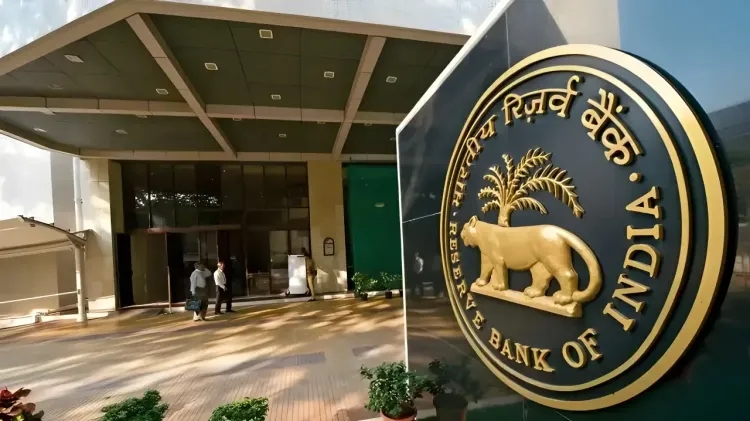
New Delhi, Feb 17 (NationPress) It is anticipated that the Reserve Bank of India (RBI) will maintain its policy rates steady in FY27 as the consumer price index (CPI) inflation is projected to rise, according to a report released on Tuesday.
The analysis from Crisil Ratings indicates that CPI inflation is set to increase as food inflation stabilizes. Furthermore, non-food inflation is expected to remain low, aided by declining crude oil prices and ongoing advantages from goods and services tax reductions in the first half of the fiscal year.
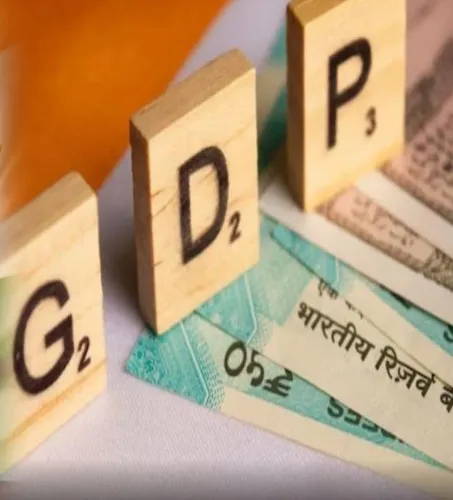
“Economic growth is predicted to be near the trend, with gross domestic product (GDP) growth estimated at 6.7 percent for fiscal 2027 based on the 2011-12 series,” the report elaborated.
The report also emphasized that while the anticipated increase in the deflator may negatively impact real growth, the central government’s emphasis on capital expenditure and signs of a rebound in private investments are expected to propel growth.
Additionally, the US-India trade agreement has enhanced the outlook for the rupee and the influx of foreign portfolio investors, with projections suggesting the rupee will stabilize at 89 per dollar by March 2027.
While policy rates are expected to remain unchanged, the effects of previous rate hikes on broader interest rates in the economy will persist, the report stated.
As of February 16, foreign portfolio investors (FPIs) had net investments of $2.8 billion in February, alleviating pressure on the rupee, which has adjusted to around 90.7 from approximately 92 at the end of January.
The Crisil Financial Conditions Index (FCI) remained stable at -0.5 in January, suggesting that financial conditions are tighter than the long-term average, as measured since April 2010.
The report pointed out that the FCI has remained within the comfort zone primarily due to the interventions by the Reserve Bank of India (RBI).
Open market operations (OMO) involving the purchase of government securities and USD/INR buy-sell swaps have helped cushion systemic liquidity. The reduction in lending rates, driven by a 125-basis point cut in the current easing cycle, has supported bank credit growth.
Point of View
The anticipated stability of RBI's policy rates in FY27 reflects a cautious yet necessary approach to managing inflation and economic growth. As we navigate these financial waters, it is essential for policymakers to balance growth initiatives with fiscal prudence.
NationPress
24 Sept 2026
Frequently Asked Questions
What is the expected inflation trend for FY27?
CPI inflation is expected to rise as food inflation normalizes, with non-food inflation remaining benign.
What is the projected GDP growth for fiscal 2027?
The anticipated GDP growth is 6.7 percent based on the 2011-12 series.
How will the rupee perform in the coming months?
The rupee is projected to stabilize at 89 per dollar by March 2027, bolstered by the US-India trade deal.
What impact did past rate hikes have on interest rates?
The transmission of past rate hikes to broader interest rates will continue, affecting various sectors.
What is the current status of foreign investments?
As of February 16, FPIs had net investments of $2.8 billion, easing pressure on the rupee.