RBI proposes transparent lending rate framework, cooperative banking reforms
Synopsis
The RBI's August MPC meeting delivered more than a rate decision — Governor Sanjay Malhotra unveiled plans to revive urban cooperative bank licensing, overhaul an 18-year-old rural cooperative credit monitoring framework, and standardise lending rate disclosures across all regulated entities. Together, these reforms signal the deepest regulatory reset for cooperative banking in nearly two decades.
Key Takeaways
RBI Governor Sanjay Malhotra announced cooperative banking reforms and a harmonised lending rate framework on 5 August at the conclusion of the August MPC meeting.
The RBI will issue draft guidelines to resume urban cooperative bank (UCB) licensing, based on feedback from an earlier discussion paper.
A comprehensive review of the rural cooperative bank credit monitoring arrangement — last revised in 2008 — will produce updated draft directions.
The proposed harmonised interest rate framework aims to standardise lending rate practices across all RBI-regulated entities for greater transparency and consumer protection.
The MPC held the repo rate at 5.25% ; the RBI projects FY27 GDP growth at 6.7% and CPI inflation at 5% .
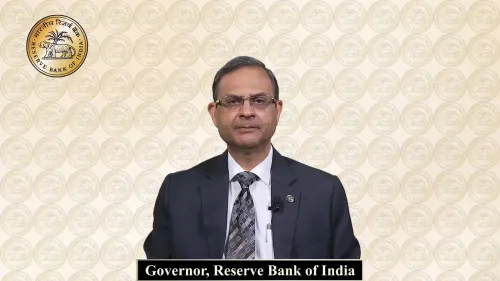
The Reserve Bank of India (RBI) on 5 August announced a sweeping set of measures to strengthen the cooperative banking sector and proposed a harmonised regulatory framework for interest rates on advances across all regulated entities. The announcements, made by RBI Governor Sanjay Malhotra at the conclusion of the August Monetary Policy Committee (MPC) meeting in Mumbai, are aimed at improving transparency in lending rates and bolstering consumer protection.
Cooperative Banking Reforms
On the cooperative banking front, the RBI will issue draft guidelines to resume the licensing of urban cooperative banks (UCBs), drawing on feedback received from its earlier discussion paper on the UCB licensing framework. This move signals a formal reopening of a pathway that had been effectively closed to new entrants for years.
Separately, the central bank will undertake a comprehensive review of the credit monitoring arrangement for rural cooperative banks — a framework last revised in 2008 — and issue updated draft directions. Governor Malhotra noted that the review accounts for experience accumulated over the years as well as significant developments in the banking sector since the existing framework was put in place. The proposed directions are designed to align the credit monitoring framework for rural cooperative banks with the structural and regulatory changes that have reshaped the sector over the past 18 years.
Harmonised Interest Rate Framework
In a separate but related move, the RBI proposed to harmonise and standardise the regulatory framework governing interest rates on advances across all regulated entities. The initiative is intended to ensure greater consistency in lending practices, improve rate transparency for borrowers, and strengthen consumer protection mechanisms across the banking system.
This comes amid longstanding concerns that divergent practices across commercial banks, cooperative banks, and non-banking financial companies have made it difficult for borrowers to compare lending costs effectively. A unified framework could mark a significant shift in how interest rate disclosures are structured across India's heterogeneous banking landscape.
MPC Decision and Economic Projections
Earlier on the same day, the RBI MPC held the repo rate unchanged at 5.25%. Governor Malhotra projected GDP growth at 6.7% for FY27 and pegged CPI inflation at 5% for the same fiscal year. The rate hold reflects the MPC's calibrated stance as it monitors domestic inflation trends and global economic headwinds.
What Comes Next
The RBI is expected to release draft guidelines on UCB licensing and the revised rural cooperative bank credit monitoring framework for public consultation. Industry stakeholders and cooperative banking associations will likely scrutinise the draft directions closely, given the sector's historical regulatory gaps. The harmonised lending rate framework is also pending draft guidelines, with the timeline for implementation yet to be specified.
Point of View
But the devil will be in the draft guidelines. Urban cooperative banks have a chequered history of governance failures, and resuming licensing without robust supervisory scaffolding risks repeating past mistakes. The harmonised lending rate proposal is similarly welcome in principle, but its impact depends entirely on how granular the disclosure norms are — a vague framework could paper over the very inconsistencies it claims to fix. With the repo rate now held at 5.25% and inflation projected at 5% for FY27, the RBI's bandwidth to absorb any cooperative sector stress remains constrained.
NationPress
20 Sept 2026
Frequently Asked Questions
What cooperative banking reforms did the RBI announce on 5 August?
The RBI announced two key cooperative banking measures: draft guidelines to resume urban cooperative bank (UCB) licensing based on feedback from an earlier discussion paper, and a comprehensive review of the credit monitoring arrangement for rural cooperative banks — a framework last updated in 2008 — to issue updated draft directions.
What is the RBI's proposed harmonised lending rate framework?
The RBI has proposed to harmonise and standardise the regulatory framework governing interest rates on advances across all regulated entities. The goal is to improve transparency in lending rates, ensure consistency in lending practices, and strengthen consumer protection for borrowers across banks and financial institutions.
What did the RBI MPC decide on the repo rate in August?
The RBI Monetary Policy Committee held the repo rate unchanged at 5.25% at its August meeting. Governor Sanjay Malhotra also projected FY27 GDP growth at 6.7% and CPI inflation at 5% for the same fiscal year.
Why is the rural cooperative bank credit monitoring review significant?
The existing credit monitoring framework for rural cooperative banks was last revised in 2008 — over 18 years ago. The RBI's review aims to update it in line with structural and regulatory changes in the banking sector since then, addressing gaps that have accumulated over nearly two decades.
When will the new RBI draft guidelines on cooperative banking be released?
The RBI has indicated it will issue draft guidelines on UCB licensing and revised rural cooperative bank credit monitoring directions, but has not specified a firm timeline. These drafts will be open for public and stakeholder consultation before final implementation.