South Korean banks' net profit drops 6.4% in H1 2026; interest income hits record

Synopsis
South Korean banks earned a record 32.2 trillion won in interest income in the first half of 2026 — yet still posted a 6.4% profit decline. The culprit: a 43.4% collapse in non-interest income, driven by a 2.5 trillion won KOSPI-linked deficit. With delinquency rates rising and the FSS tightening oversight, the sector's earnings quality is under scrutiny even as the broader economy eyes a growth upgrade past 3%.
Key Takeaways
Combined net income of 20 South Korean banks fell 6.4% to 13.8 trillion won (US$9.95 billion) in H1 2026 .
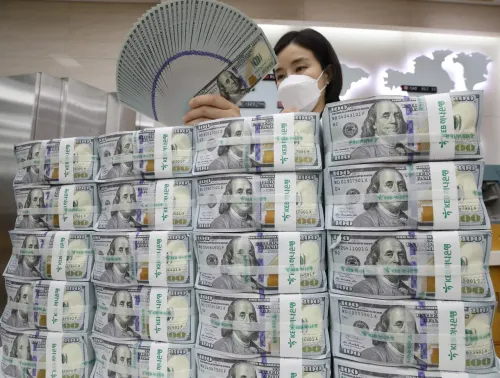
Interest income hit a record 32.2 trillion won , up 8.3% year-on-year.
Non-interest income collapsed 43.4% to 2.9 trillion won , with KOSPI-linked profits swinging to a deficit of 2.5 trillion won .
The FSS flagged rising delinquency rates and Middle East conflict as risks to banking sector soundness.
The Bank of Korea is expected to revise its 2026 growth forecast from 2.6% to as high as 3.4% , driven by semiconductor exports and domestic demand recovery.
Net profits of South Korean banks declined in the first half of 2026, dragged down by a sharp fall in non-interest income even as their interest income reached its highest six-month level on record, according to data released by the Financial Supervisory Service (FSS) on 23 August. The figures underscore a growing divergence within the banking sector's earnings structure.
Combined Net Income Falls 6.4 Percent
The combined net income of 20 South Korean banks stood at 13.8 trillion won (approximately US$9.95 billion) in the January–June 2026 period, down 6.4 percent from the same period a year earlier, according to FSS data. The decline came despite a robust performance on the interest income front.
Record Interest Income, Collapsing Non-Interest Profits
Interest income rose 8.3 percent year-on-year to 32.2 trillion won in the first half — the highest six-month figure on record. However, non-interest income fell sharply by 43.4 percent to just 2.9 trillion won over the same period, according to the FSS.
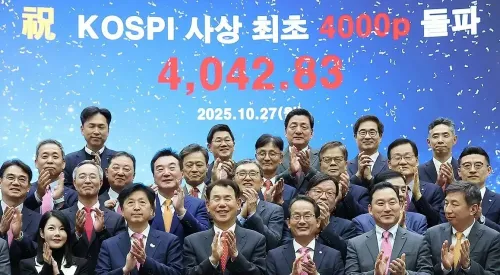
The FSS attributed the collapse in non-interest income primarily to losses tied to the benchmark KOSPI equity market, which came under pressure amid rising interest rates. Profits related to the KOSPI swung into negative territory, generating a deficit of 2.5 trillion won in the first half.
FSS Flags External Risks, Vows Tighter Oversight
The FSS highlighted that external uncertainties — including the ongoing Middle East conflict — alongside rising delinquency rates could weigh on the fiscal soundness of South Korean banks. The regulator said it would strengthen monitoring and encourage banks to bolster their loss-absorption capacities. This is a notable shift in supervisory tone, coming at a time when household debt levels in South Korea remain elevated.
Growth Outlook: BOK Expected to Revise Upward
Separately, the Bank of Korea (BOK) is expected to raise its 2026 economic growth outlook to above 3 percent, according to economic analysts. A survey of six analysts found respondents expect the BOK to revise its current forecast of 2.6 percent upward, potentially to as high as 3.4 percent, citing stronger-than-expected semiconductor exports and a recovery in domestic demand. The BOK's next policy meeting will be closely watched for any formal revision to this projection.
Point of View
But the real test will be whether rising delinquency rates — a lagging indicator of rate-hike stress on households — begin to erode the very interest income that is currently propping up results.
NationPress
9 Oct 2026
Frequently Asked Questions
Why did South Korean banks' net profit fall in H1 2026?
The combined net profit of 20 South Korean banks fell 6.4% to 13.8 trillion won in H1 2026 primarily because non-interest income collapsed 43.4%, largely due to KOSPI-linked losses that generated a 2.5 trillion won deficit. This more than offset a record rise in interest income.
What was South Korea's banking interest income in H1 2026?
Interest income reached 32.2 trillion won in the first half of 2026, up 8.3% year-on-year and the highest six-month figure on record for South Korean banks, according to FSS data.
What risks did the FSS highlight for South Korean banks?
The Financial Supervisory Service flagged rising delinquency rates and external uncertainties such as the Middle East conflict as potential threats to banking sector soundness. The FSS said it would tighten monitoring and push banks to strengthen their loss-absorption capacities.
What is the Bank of Korea's revised growth forecast for 2026?
The Bank of Korea is expected to raise its 2026 GDP growth forecast from the current 2.6% to as high as 3.4%, according to a survey of six economic analysts. The upward revision is driven by stronger-than-expected semiconductor exports and recovering domestic demand.
What caused the collapse in non-interest income at South Korean banks?
Non-interest income fell 43.4% in H1 2026, primarily because profits tied to the benchmark KOSPI equity market turned negative amid rising interest rates. KOSPI-related earnings swung to a deficit of 2.5 trillion won during the period.