South Korea corporate loans hit 3.5-year high in Q1 2026, BOK data shows
Synopsis
South Korea's corporate loan book swelled by 35.6 trillion won in Q1 2026 — the sharpest quarterly jump since 2022 — as service-sector borrowing surged. But the positive credit data landed on a brutal market day: the KOSPI cratered nearly 6% and the won hit a 17-year low against the dollar, putting the BOK in a difficult spot heading into its next policy meeting.
Key Takeaways
South Korea corporate loans hit 2,061.8 trillion won (US$1.33 trillion) as of end- March 2026 .
Quarterly increase of 35.6 trillion won — the largest on-quarter gain since Q3 2022 .
Service sector loans surged 24 trillion won to 1,317.7 trillion won , led by financial and retail lending.
Operating fund borrowing jumped 26.2 trillion won , up sharply from a 1.9 trillion won gain in Q4 2025.
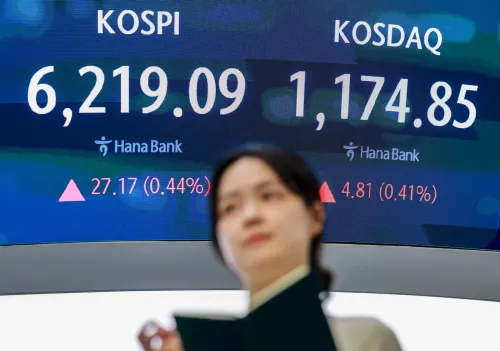
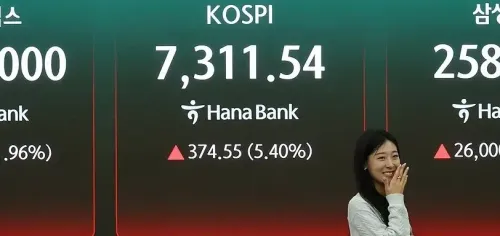
KOSPI plunged 492.8 points (6.04%) to 7,667.79 on Monday amid a US tech-driven global sell-off.
The South Korean won reportedly opened at a 17-year low against the US dollar on the same day.
South Korea's outstanding corporate loans reached 2,061.8 trillion won (approximately US$1.33 trillion) as of end-March 2026, rising 35.6 trillion won from the fourth quarter of 2025 — the largest on-quarter gain in three and a half years, according to data released by the Bank of Korea (BOK) on Monday, 8 June. The surge was driven primarily by strong demand from the service sector, signalling a tentative recovery in business activity.
Largest Quarterly Jump Since Q3 2022
The 35.6 trillion won quarterly increase is the steepest since the third quarter of 2022, when corporate loans expanded by 56.7 trillion won. The acceleration is especially notable given that the previous quarter — the fourth quarter of 2025 — recorded a comparatively modest expansion of just 8.5 trillion won, making the Q1 rebound more than fourfold larger.
The BOK attributed the uptick to banks ramping up corporate lending as the broader economy began showing signs of recovery, though officials stopped short of declaring a sustained turnaround.
Sector Breakdown: Services Lead, Manufacturing Follows
Loans to manufacturing firms rose by 11.1 trillion won quarter-on-quarter to 513.8 trillion won. The service sector, however, dominated the growth story, with loans surging by 24 trillion won to 1,317.7 trillion won, driven by increased lending to financial and retail sectors.
This sectoral split underscores a broader structural shift in South Korea's credit landscape, where services — not heavy industry — are increasingly the engine of borrowing demand.
Operating Funds Drive Loan Purpose
Breaking down the loans by purpose, operating funds accounted for the bulk of the increase, rising 26.2 trillion won in the first quarter — a sharp jump from a 1.9 trillion won gain in the prior quarter. Facility investment loans also picked up pace, advancing 9.4 trillion won, up from a 6.6 trillion won increase in Q4 2025.
The surge in operating fund borrowing suggests companies are financing day-to-day business expansion rather than long-term capital projects alone, pointing to near-term operational confidence even amid a volatile external environment.
Markets Under Pressure as KOSPI Slides
The lending data arrived against a turbulent market backdrop. South Korean equities were trading sharply lower on Monday morning, with the benchmark Korea Composite Stock Price Index (KOSPI) plunging 492.8 points, or 6.04%, to 7,667.79 — having fallen nearly 9% at its intraday low. Investors reportedly dumped market heavyweights amid a global tech slump sparked by a US chip sector slide and concerns over a possible hawkish pivot by the US Federal Reserve.
The South Korean won was also trading sharply lower against the US dollar, reportedly opening at a 17-year low. The simultaneous pressure on equities and currency adds a layer of caution to an otherwise positive corporate credit story.
What to Watch Next
The divergence between strong domestic credit growth and sharp financial market stress will be a key focus for the BOK in its upcoming policy deliberations. If currency weakness persists and equity markets remain under pressure, the central bank may face a difficult balancing act between supporting growth and managing financial stability risks. Analysts will closely track Q2 lending data to determine whether the Q1 momentum holds.
Point of View
Not desperation. But the timing of the data release is uncomfortable: a KOSPI near 6% in the red and a won at a 17-year low tell a different story about external fragility. The BOK now faces a classic emerging-market bind — domestic credit recovery on one side, currency and equity stress on the other. The service sector's dominance in loan growth also deserves scrutiny: if financial and retail borrowing is outpacing manufacturing, it may reflect consumption leverage rather than productive investment, which carries its own risks if the external environment deteriorates further.
NationPress
20 Sept 2026
Frequently Asked Questions
How much did South Korea's corporate loans grow in Q1 2026?
South Korea's outstanding corporate loans rose by 35.6 trillion won in the first quarter of 2026, reaching 2,061.8 trillion won (approximately US$1.33 trillion) as of end-March. This was the largest on-quarter increase in three and a half years, according to Bank of Korea data.
Which sector drove the corporate lending growth in South Korea?
The service sector was the primary driver, with loans surging 24 trillion won to 1,317.7 trillion won, led by increased borrowing in the financial and retail segments. Manufacturing loans also rose, but by a smaller 11.1 trillion won to 513.8 trillion won.
When was the last time South Korea saw a bigger quarterly jump in corporate loans?
The last comparable increase was in the third quarter of 2022, when corporate loans expanded by 56.7 trillion won. The Q1 2026 figure of 35.6 trillion won is the largest since that period.
Why did the KOSPI fall sharply on the same day the lending data was released?
The KOSPI plunged 492.8 points, or 6.04%, to 7,667.79 on Monday, 8 June, as investors sold off market heavyweights amid a global tech slump triggered by a US chip sector slide. Concerns over a possible hawkish pivot by the US Federal Reserve also weighed on sentiment.
What does the surge in operating fund loans indicate?
The 26.2 trillion won jump in operating fund borrowing — compared to just 1.9 trillion won in Q4 2025 — suggests South Korean companies are financing near-term business expansion and day-to-day operations, indicating short-term operational confidence despite broader market volatility.