South Korea foreign sell-off hits 6th month: $21.65bn exits in July
Synopsis
Foreign investors have now exited South Korean markets for six straight months, pulling a net $21.65 billion in July alone as the KOSPI shed over 20 percent. But Thursday's semiconductor-led surge — Samsung up 5.48%, SK hynix up 7.55% — signals the market may be looking for a floor, even as the structural question of prolonged foreign disengagement remains unanswered.
Key Takeaways
Foreign investors were net sellers of South Korean securities for a sixth consecutive month in July 2025 .
Net outflows totalled US$21.65 billion in July — $20.7 billion in stocks and $960 million in bonds.
The KOSPI fell more than 20 percent in July, hit by heavy losses in technology shares.
The Korean won strengthened to 1,424 per dollar by end-July, from 1,549.4 a month earlier.
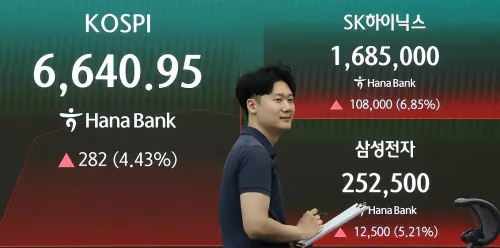
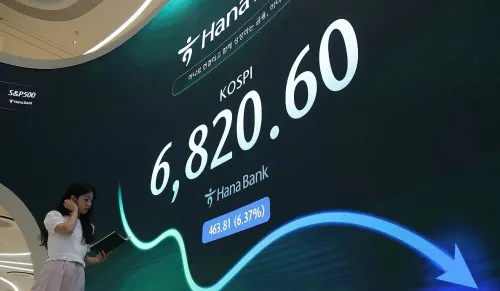
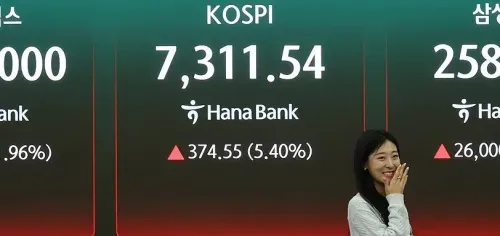
On Thursday, 13 August , the KOSPI rebounded 4.19 percent to 6,855 , led by Samsung Electronics (+5.48%) and SK hynix (+7.55%).
Foreign investors remained net sellers of South Korean securities for a sixth consecutive month in July 2025, offloading a net US$21.65 billion worth of local stocks and bonds, according to data released by the Bank of Korea (BOK) on Thursday, 13 August. The sustained exit marks one of the longest unbroken foreign sell-off streaks in recent South Korean market history.
Scale of the Outflows
The $21.65 billion net outflow in July followed net sales of $30.72 billion in June, indicating the pace of selling narrowed month-on-month. Breaking down the July figure, foreign investors sold a net $20.7 billion in equities and a net $960 million in bonds. Offshore investors have been net sellers every month since February 2025.
Why the Selling Slowed
The BOK attributed the moderation in outflows to a stock market correction that made portfolio rebalancing less attractive for foreign funds. Two key external factors weighed on sentiment: resurgent Middle East tensions and lingering concerns over excessive investment in artificial intelligence (AI) infrastructure. With valuations under pressure, foreigners had less incentive to rotate out aggressively.
The Korea Composite Stock Price Index (KOSPI) fell more than 20 percent in July alone, driven largely by heavy losses in technology shares — a sharp correction that underscored the depth of market stress during the period.
Won Strengthens as Outflows Ease
Despite the persistent selling, the Korean won strengthened against the US dollar during the month, aided by reduced foreign portfolio rebalancing and a broader global weakening of the greenback. The won was trading at 1,424 won per dollar at the end of July, compared with 1,549.4 won a month earlier — an appreciation of roughly 8 percent.
The BOK noted that the dollar's global softness was a contributing factor, suggesting the won's recovery was as much about external currency dynamics as domestic market confidence.
Thursday's Rally: Semiconductors Lead Recovery
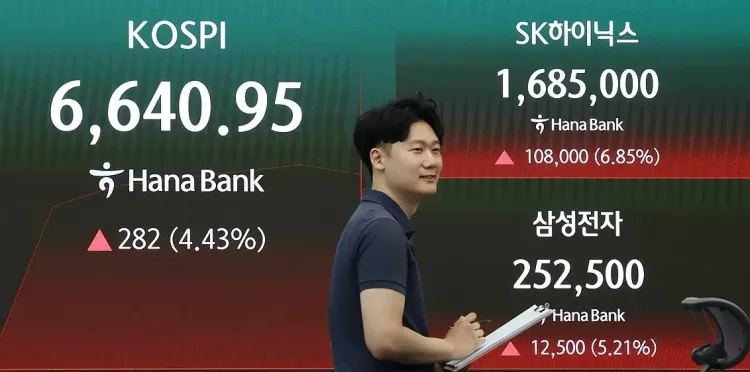
South Korean stocks staged a sharp recovery on Thursday morning, led by gains in large-cap semiconductor shares. The KOSPI rose 275.96 points, or 4.19 percent, to 6,855 as of 11:20 a.m. — after opening 2.96 percent higher.
Market bellwether Samsung Electronics surged 5.48 percent, while chipmaking rival SK hynix jumped 7.55 percent. SK Square, the parent of SK hynix, shot up 8.98 percent, and Samsung Electro-Mechanics surged 12.73 percent. The rally was supported by an overnight advance in US AI-linked technology stocks — the S&P 500 gained 0.26 percent, closing just shy of a record high, while the Nasdaq advanced 0.54 percent.
What to Watch
Whether Thursday's semiconductor-driven rebound signals a durable reversal or a relief rally remains an open question. Foreign net selling has persisted for six months, and any sustained recovery will likely depend on clarity around global AI spending cycles, Middle East risk, and the trajectory of the US dollar. The next BOK data release will be closely watched to see if August marks a turning point.
Point of View
Heavily weighted toward semiconductors and tech, is acutely exposed to global sentiment shifts around AI spending. The Thursday rebound is encouraging, but a single session does not reverse six months of outflows. Until foreign funds return with conviction — not just relief-rally positioning — the won's recovery and the semiconductor bounce should be read cautiously.
NationPress
27 Sept 2026
Frequently Asked Questions
Why have foreign investors been selling South Korean assets?
Foreign investors have been net sellers of South Korean securities every month since February 2025, driven by a global market readjustment, resurgent Middle East tensions, and concerns about excessive investment in AI infrastructure. The KOSPI's steep decline made portfolio rebalancing less attractive, which paradoxically slowed — but did not stop — the outflows.
How much did foreign investors sell in July 2025?
Foreign investors sold a net US$21.65 billion in South Korean stocks and bonds in July 2025 — comprising $20.7 billion in equities and $960 million in bonds. This followed net sales of $30.72 billion in June, indicating the pace of selling narrowed month-on-month.
How did the KOSPI perform in July 2025?
The Korea Composite Stock Price Index (KOSPI) fell more than 20 percent in July 2025, driven primarily by heavy losses in technology shares. The index staged a sharp recovery on Thursday, 13 August, rising 4.19 percent to 6,855 by mid-morning, led by semiconductor stocks.
Why did the Korean won strengthen despite heavy foreign selling?
The Korean won strengthened to 1,424 per dollar by end-July, from 1,549.4 a month earlier, as reduced foreign portfolio rebalancing eased selling pressure on the currency. A broader global weakening of the US dollar also contributed to the won's appreciation, according to the Bank of Korea.
Which South Korean stocks led Thursday's rally?
Samsung Electronics rose 5.48 percent and SK hynix jumped 7.55 percent, leading the Thursday morning advance. SK Square surged 8.98 percent and Samsung Electro-Mechanics climbed 12.73 percent. The gains were supported by an overnight rally in US AI-linked technology stocks.