Foreign tourist spending in South Korea hits record 1.41 trillion won in May
Synopsis
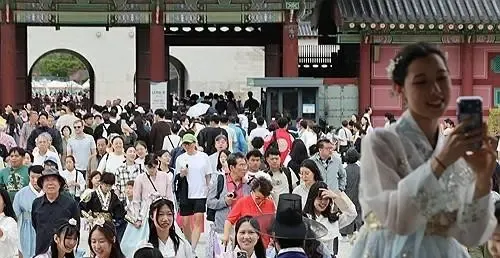
South Korea's tourism boom is no longer just a BTS effect. Foreign tourist spending hit a record 1.41 trillion won in May — without a single BTS concert — marking three straight months above 1 trillion won and signalling that K-culture's pull on global travellers has become self-sustaining.
Key Takeaways
Foreign tourist spending in South Korea reached a record 1.41 trillion won in May 2025 , up 73.7% year-on-year.
This is the third consecutive month inbound tourist spending exceeded 1 trillion won , according to Korea Tourism Organization (KTO) data.
Shopping led spending categories at 39.1% , followed by beauty and wellness ( 21.1% ), fashion ( 14.3% ), and lifestyle food ( 11.9% ).
May's record was achieved without any BTS concerts, with local experts citing a more stable tourism phase.
Separately, individual overdraft balances at five major banks hit 43.34 trillion won — the highest since October 2022 — amid rising stock investment borrowing.
Total outstanding credit loans reached 108.7 trillion won , the highest in three years since June 2023 .
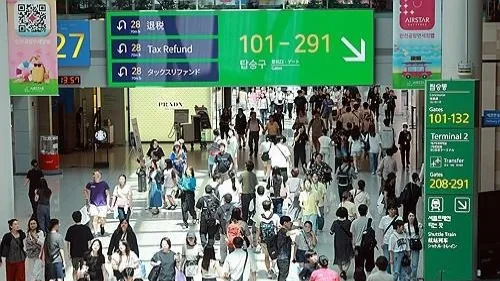
Monthly spending by foreign tourists in South Korea climbed to a record 1.41 trillion won (approximately $911 million) in May 2025, marking the third consecutive month in which inbound tourist expenditure exceeded 1 trillion won, according to data released on Sunday. The figure represents a 73.7 percent year-on-year surge in credit card spending by inbound travellers, based on data from the Korea Tourism Organization (KTO).
A Milestone Three Months in the Making
Foreign tourist spending crossed the 1 trillion won threshold for the first time in March, when global fans of K-pop group BTS converged on Seoul for the band's comeback performance at Gwanghwamun Square. The momentum carried into April, when BTS launched its world tour 'Arirang' in Goyang, northwest of Seoul, pushing spending to another record high.
May's Record Signals Structural Tourism Growth
What makes the May figure particularly significant is that it was achieved without any major BTS concert — a signal, according to local industry experts, that South Korea's tourism sector has moved beyond event-driven spikes and entered a more structurally stable phase. This suggests that K-culture's pull on global travellers is now broad-based rather than reliant on single headline events.
Where Tourists Are Spending
By category, shopping accounted for the largest share of foreign spending at 39.1 percent, followed by beauty and wellness at 21.1 percent, fashion at 14.3 percent, and lifestyle food at 11.9 percent. The dominance of shopping and beauty spending reflects South Korea's growing reputation as a destination for cosmetics, skincare, and fashion retail — sectors that have benefited from the global spread of the 'K-beauty' trend.
Credit Borrowing Also Hits Multi-Year Highs
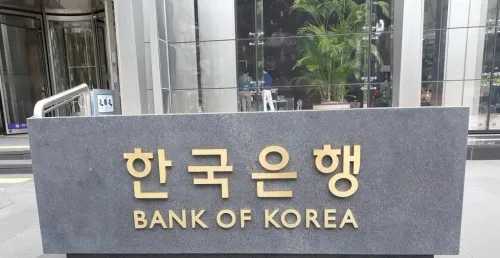
Separately, data released on the same day showed that the outstanding overdraft balance of individuals at five major South Korean lenders — KB Kookmin Bank, Shinhan Bank, Hana Bank, Woori Bank, and NH Nonghyup Bank — stood at 43.34 trillion won (approximately $28.3 billion) as of Thursday, the highest level since October 2022. The rise is reportedly linked to increased borrowing for stock market investment. Outstanding credit loans including overdrafts reached 108.7 trillion won as of Thursday — the highest in three years since June 2023 — with the average overdraft usage rate at 44.8 percent, the highest since the pandemic period.
What to Watch Next
With BTS's 'Arirang' world tour continuing and K-culture's global footprint expanding, analysts will be watching whether monthly foreign spending can sustain the 1 trillion won floor through the second half of 2025. The parallel rise in household credit borrowing, however, may draw scrutiny from South Korean financial regulators monitoring consumer leverage levels.
Point of View
Wellness, and fashion collectively outpace food, suggesting tourists are coming for an experience ecosystem, not just concerts. The parallel surge in household overdraft borrowing for stock investment, however, is a separate and more cautionary signal — one that South Korean financial regulators cannot afford to treat as background noise if leverage continues climbing toward pre-2022 peaks.
NationPress
26 Sept 2026
Frequently Asked Questions
How much did foreign tourists spend in South Korea in May 2025?
Foreign tourists spent a record 1.41 trillion won (approximately $911 million) in South Korea in May 2025, according to Korea Tourism Organization data. This was a 73.7 percent increase compared to the same month a year earlier.
Why is May's tourism spending record significant?
May's record is notable because it was achieved without any BTS concerts, unlike March and April when BTS events drove large fan gatherings in Seoul and Goyang. Local experts say this indicates South Korea's tourism growth has entered a more stable, event-independent phase.
What are foreign tourists spending the most on in South Korea?
Shopping accounts for the largest share at 39.1 percent of foreign tourist spending, followed by beauty and wellness at 21.1 percent, fashion at 14.3 percent, and lifestyle food at 11.9 percent, according to KTO data.
What is the significance of three consecutive months above 1 trillion won?
Foreign tourist spending in South Korea first crossed the 1 trillion won mark in March 2025, driven by BTS's Gwanghwamun Square comeback performance. Sustaining that level through May — a month without a major K-pop event — points to a broadening of South Korea's tourism appeal beyond single headline events.
What is happening with South Korean household borrowing?
Individual overdraft balances at five major South Korean banks reached 43.34 trillion won as of late June 2025, the highest since October 2022, reportedly driven by increased borrowing for stock investment. Total outstanding credit loans, including overdrafts, stood at 108.7 trillion won — the highest in three years.