South Korea Forms Task Force in Response to USTR Trade Inquiries
Synopsis
In a strategic move, South Korea's Ministry of Trade has established a task force to address U.S. trade investigations regarding structural excess capacity and forced labor. This initiative reflects the country's proactive approach amid growing scrutiny from the USTR.
Key Takeaways
South Korea has established a task force to respond to U.S. trade investigations.
The focus is on issues of structural excess capacity and forced labor allegations .
The task force includes representatives from private industries and trade experts .
The USTR is investigating 60 economies , including South Korea, under Section 301.
Trade Minister Yeo Han-koo emphasized the need for vigilance in response to potential further inquiries.
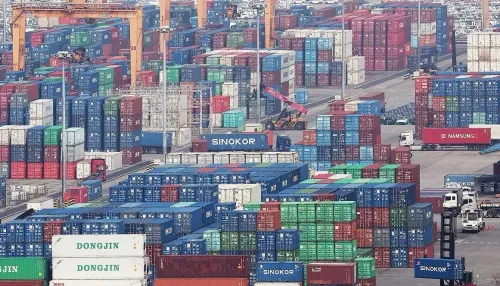
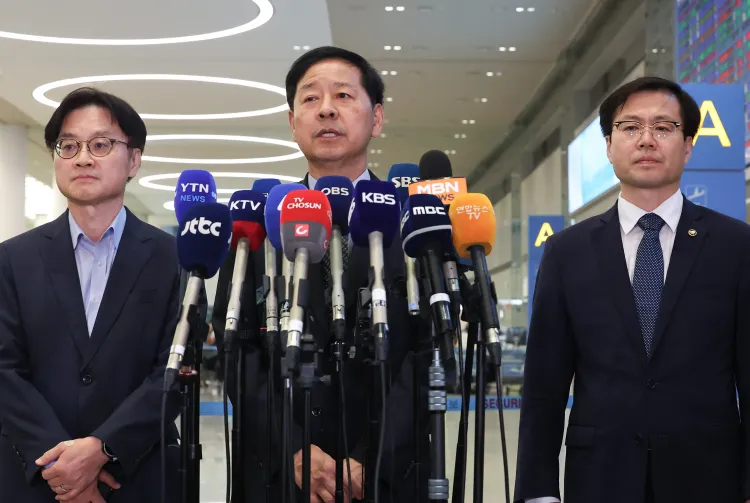
Seoul, March 20 (NationPress) — The Ministry of Trade, Industry and Resources has officially initiated a collaborative task force with private sector stakeholders to effectively manage responses to the United States' ongoing trade investigations concerning South Korea's issues of structural excess capacity and allegations of forced labor, as stated by officials.
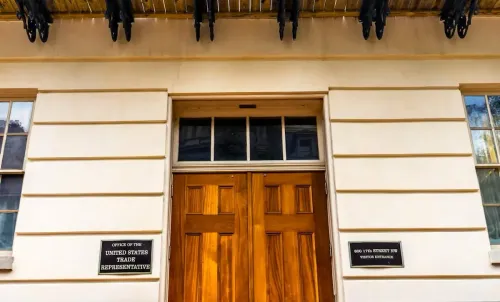
Earlier in the month, the U.S. Trade Representative (USTR) commenced a series of trade inquiries targeting South Korea and other leading economies, aiming to identify what it deems "unfair" trade practices associated with structural excess capacity and separate investigations relating to forced labor under Section 301 of the Trade Act of 1974.
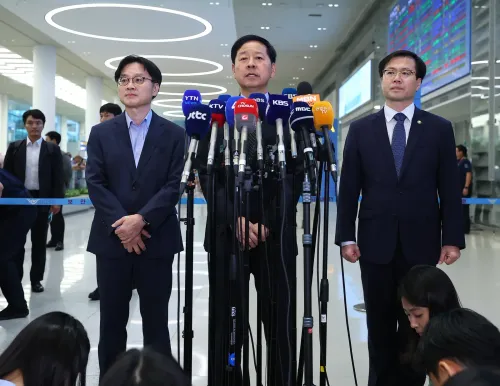
The newly formed task force, spearheaded by the ministry, includes representatives from pertinent authorities, private industries, and trade specialists. This group will address the trade inquiries and related actions, including the submission of written statements and participation in public hearings, as reported by Yonhap news agency.
During the trade strategy meeting held on Friday, Trade Minister Yeo Han-koo remarked that the USTR's actions seem to be a move towards reinstating trade measures that the U.S. had previously imposed on its partners, a situation that arose after the U.S. Supreme Court invalidated former President Donald Trump's "reciprocal" tariffs.
Minister Yeo assured that the government will approach the situation with caution, assuming that the USTR may initiate further trade investigations, according to the ministry's announcement.
The USTR has recently undertaken investigations into 60 nations, including South Korea, under Section 301 of the 1974 Trade Act, as the administration of former President Trump seeks to implement new tariffs to replace those that were annulled by the Supreme Court last month.
"While we anticipate that the overall framework of the U.S.-South Korea agreement will remain intact, the government is committed to working collaboratively in order to ensure that the results are not disadvantageous compared to those faced by other significant competitors," Koo stated during a government economic affairs meeting.
This investigation will assess whether the involved countries have implemented adequate measures to prohibit the importation of goods produced through forced labor. The nations currently under scrutiny include South Korea, China, Japan, India, Indonesia, the UK, Australia, Canada, and Taiwan.
Point of View
It's essential to recognize the proactive measures taken by South Korea in forming a task force. This initiative highlights the country's commitment to addressing international trade concerns transparently, aiming for a balanced response that safeguards its economic interests while navigating complex global trade dynamics.
NationPress
30 Sept 2026
Frequently Asked Questions
What is the purpose of the newly formed task force in South Korea?
The task force aims to coordinate responses to U.S. trade investigations regarding issues of structural excess capacity and allegations of forced labor.
Who is leading the task force?
The task force is led by South Korea's Ministry of Trade, Industry and Resources, involving officials from relevant authorities and private industries.
What prompted the USTR's investigations into South Korea?
The USTR's investigations were initiated to uncover what it considers unfair trade practices related to structural excess capacity and forced labor under Section 301 of the Trade Act.
How many economies are under investigation by the USTR?
The USTR has launched investigations into 60 economies, including South Korea.
What actions will the task force undertake?
The task force will respond to trade inquiries, prepare written opinions, and participate in public hearings.