Sanchar Saathi portal tops 30 crore visits, recovers over 14 lakh stolen mobiles

Synopsis
India's Sanchar Saathi portal has crossed 30 crore visits in under 30 months — and the numbers behind that figure are striking: 14 lakh stolen phones recovered, 50 lakh fraudulent SIM connections severed, and 59.82 lakh fraud cases acted upon. The platform has quietly become one of the government's most effective citizen-powered cybersecurity tools.
Key Takeaways
Sanchar Saathi portal has crossed 30 crore visits since its launch in May 2023 , announced on 5 October 2026 .
The Chakshu module received 12.80 lakh fraud reports, leading to action in 59.82 lakh cases and disconnection of over 50 lakh mobile connections.
More than 60.96 lakh lost or stolen handsets were blocked; 37.85 lakh traced and over 14 lakh physically recovered.
Over four crore citizen requests on mobile connections resolved, curbing SIM misuse via stolen or fake identities.
Citizen-reported data feeds into the Financial Fraud Risk Indicator (FRI) , shared via the Digital Intelligence Platform (DIP) with banks, telcos, and law enforcement.
The Sanchar Saathi portal, developed by the Department of Telecommunications (DoT), has surpassed 30 crore visits since its launch in May 2023, reflecting a sharp rise in public participation in the fight against telecom-enabled fraud and cybercrime, the Ministry of Communications announced on Monday, 5 October 2026. The milestone underscores the platform's rapid evolution from a niche government tool into one of India's most-used citizen-facing cybersecurity resources.
What Sanchar Saathi Does
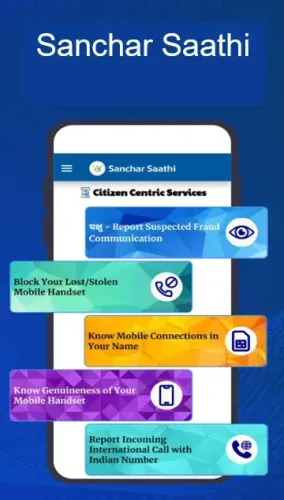
The portal offers a suite of services that allow citizens to report suspected fraud calls, SMS messages, and WhatsApp communications, check mobile connections registered in their name, block lost or stolen handsets, and verify the authenticity of a mobile phone before purchase. According to the ministry, every report filed by a citizen generates actionable intelligence shared with telecom authorities, banks, and law enforcement agencies.
Chakshu: The Fraud Reporting Engine
A key feature of the portal is Chakshu, a dedicated module that allows users to flag suspicious communications — including fake KYC requests, fraudulent investment schemes, impersonation of government officials, and bogus job or loan offers. The ministry said Chakshu has received 12.80 lakh reports of suspected fraudulent communications, triggering action in nearly 59.82 lakh cases. This includes the disconnection of more than 50 lakh mobile connections linked to suspected fraud.
Stolen Handset Recovery and SIM Misuse
In the area of handset security, Sanchar Saathi has enabled users to block 60.96 lakh lost or stolen mobile phones across telecom networks. Of these, 37.85 lakh handsets have been traced and more than 14 lakh recovered through coordinated action between DoT, telecom service providers, and state police authorities. Separately, more than four crore citizen requests related to checking and reporting mobile connections have been resolved, helping curb the misuse of SIM cards obtained using stolen or fraudulent identities.
Financial Fraud Risk Intelligence
Data generated through citizen reports feeds into the Financial Fraud Risk Indicator (FRI), a system that assesses the fraud risk associated with specific mobile numbers. This intelligence is shared via the Digital Intelligence Platform (DIP) with banks, payment service providers, telecom operators, and law enforcement agencies to strengthen fraud detection and flag suspicious transactions before they escalate. The ministry described participating citizens as 'Cyber Warriors', noting that their reports help identify fraudulent numbers, devices, and emerging scam patterns, allowing authorities to intervene proactively.
Why This Matters
Telecom-linked fraud — ranging from SIM swap scams to impersonation of government officials — has surged across India in recent years, with millions of citizens losing money to organised cybercrime networks. Sanchar Saathi represents one of the Centre's most concrete responses: a platform that converts citizen vigilance directly into law enforcement intelligence. This comes amid a broader government push to harden India's digital financial infrastructure, with the DoT, Ministry of Home Affairs, and the Reserve Bank of India (RBI) increasingly coordinating on telecom fraud prevention. With over 30 crore visits logged in roughly 29 months, the platform's reach now rivals mainstream consumer apps — and the recovery of 14 lakh handsets demonstrates that the data being collected is translating into measurable outcomes. How this intelligence infrastructure scales as fraud tactics evolve will be the next critical test.
Point of View
Which means the intelligence loop from citizen report to law enforcement action is actually closing. What this story understates is the structural significance of the Financial Fraud Risk Indicator: India is quietly building a real-time fraud-scoring layer for mobile numbers, akin to what credit bureaus do for lending. If the DIP sharing mechanism matures, it could become the backbone of India's telecom-financial fraud defence. The risk is data quality — a platform that rewards volume of reports over accuracy could generate noise that overwhelms the signal.
NationPress
6 Oct 2026
Frequently Asked Questions
What is the Sanchar Saathi portal?
Sanchar Saathi is a citizen-facing portal developed by the Department of Telecommunications (DoT) that allows users to report fraud calls and messages, block lost or stolen phones, check SIM connections in their name, and verify handset authenticity before purchase. It was launched in May 2023 and has since recorded over 30 crore visits.
How many stolen mobile phones has Sanchar Saathi helped recover?
The portal has enabled the blocking of 60.96 lakh lost or stolen handsets. Of these, 37.85 lakh have been traced and over 14 lakh physically recovered through coordination between DoT, telecom service providers, and state police authorities.
What is Chakshu and how does it work?
Chakshu is a module within Sanchar Saathi that lets citizens report suspicious communications such as fake KYC requests, investment scam messages, impersonation of government officials, and bogus job or loan offers. It has received 12.80 lakh reports, triggering action in 59.82 lakh cases, including the disconnection of over 50 lakh mobile connections.
What is the Financial Fraud Risk Indicator (FRI)?
The FRI is a risk-assessment system fed by citizen reports on Sanchar Saathi that scores mobile numbers for their potential links to financial fraud. This intelligence is distributed through the Digital Intelligence Platform (DIP) to banks, payment providers, telecom operators, and law enforcement to detect and prevent suspicious transactions.
How does Sanchar Saathi help prevent SIM card misuse?
The portal has resolved more than four crore citizen requests related to checking and reporting mobile connections registered in their name. This helps identify and block SIM cards obtained using stolen or fraudulent identities, reducing the misuse of such connections for fraud.