Will SEBI Board Discuss Overhaul of Asset Disclosure Norms?
Click to start listening
Synopsis
As India's financial watchdog prepares for its board meeting, major reforms are on the table, including compulsory asset disclosures for senior officials. With a focus on transparency and ethical standards, SEBI aims to revolutionize its operations. Find out how these changes could impact the financial landscape.
Key Takeaways
- Mandatory asset disclosure for senior SEBI officials.
- Introduction of a whistleblower system to report ethical violations.
- Review of mutual fund regulations to enhance transparency.
- Proposals to ease KYC requirements for non-resident Indians.
- Creation of a Chief Ethics and Compliance Officer role.
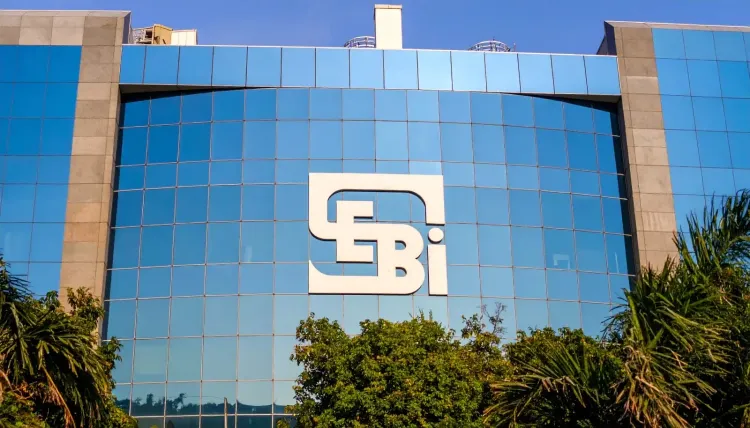
Mumbai, Dec 17 (NationPress) The Securities and Exchange Board of India (SEBI), which oversees the Indian financial markets, is poised to deliberate on significant reform initiatives during its forthcoming board meeting on Wednesday. Among the key proposals is the mandatory asset disclosure for senior officials, aimed at mitigating conflicts of interest.
This marks the fourth meeting presided over by Tuhin Kanta Pandey since he assumed the role of SEBI Chairperson on March 1.
A pivotal agenda item includes a report presented to him on November 10 by a high-level committee established to assess the ethical standards within the regulator.
The committee has advocated for extensive reforms to enhance transparency and champion a “zero-tolerance” stance towards conflicts of interest.
Among its vital suggestions are the obligatory public disclosure of assets by senior SEBI officials, the implementation of a secure and anonymous whistleblower system for reporting ethical breaches, a prohibition on accepting high-value gifts, and a mandated two-year cooling-off period prior to officials accepting post-retirement roles.
Additionally, the committee has recommended the establishment of a new Chief Ethics and Compliance Officer position to supervise these initiatives.
Beyond governance reforms, the SEBI board is also set to review alterations to market-related regulations.
This includes proposals to simplify know-your-customer (KYC) requirements for non-resident Indians and to introduce a closing auction session in the stock markets, which may enhance price discovery at the trading day's conclusion.
Another focal point is mutual fund regulations. SEBI has previously circulated consultation documents proposing a comprehensive overhaul of existing rules to enhance simplicity and transparency.
In October, the regulator suggested a clearer definition of the Total Expense Ratio (TER) alongside updated limits on brokerage fees.
The objective is to enhance disclosures, eliminate unnecessary redundancy, minimize costs, and simplify compliance for fund managers.
As part of these changes, the market regulator intends to eliminate the additional 5 basis points currently permitted for asset management companies across mutual fund schemes.
Furthermore, the regulator has proposed excluding statutory taxes and duties, including Securities Transaction Tax, Goods and Services Tax, Commodity Transaction Tax, and stamp duty from the TER limits.
Additionally, the SEBI board will re-evaluate stock broker regulations that have remained unchanged since 1992.
Point of View
The proposed changes by SEBI reflect a necessary evolution in governance aimed at enhancing accountability and transparency within the financial markets. These reforms could significantly bolster public trust and ensure that the integrity of our financial system remains intact.
NationPress
17/12/2025
Frequently Asked Questions
What reforms is SEBI considering?
SEBI is considering major reforms including mandatory asset disclosures for senior officials, a whistleblower system, and changes to mutual fund regulations.
Who is leading SEBI's initiatives?
Tuhin Kanta Pandey is currently chairing SEBI and leading the discussions on these reform initiatives.
How will these changes affect mutual funds?
The proposed changes aim to simplify mutual fund regulations, enhance transparency, and reduce costs for investors.