SEBI clears ₹30,000 crore NSE IPO with observation letter
Synopsis
SEBI has green-lit the procedural pathway for NSE's landmark ₹30,000 crore IPO — but the offering carries a concentration risk that few are spotlighting: over 60% of revenue comes from options trading alone, a segment under active regulatory scrutiny. With co-location and dark fibre cases still unresolved, the listing could be as much a legal reckoning as a market event.
Key Takeaways
SEBI issued an observation letter for NSE's ₹30,000 crore IPO on 4 September , clearing a key regulatory hurdle.
The offering is structured as a pure offer for sale (OFS) — no fresh capital raised by NSE.
NSE has confirmed it will not seek permission to trade on its own exchange post-listing, ruling out the PTT route.
Options trading contributed 60.22% of NSE's total revenue in fiscal 2026 , flagging significant concentration risk.
NSE disclosed settlement costs exceeding ₹643 crore in October 2024 and ₹40.35 crore in July 2025 .
Unresolved co-location and dark fibre proceedings remain a material risk, per the draft prospectus.
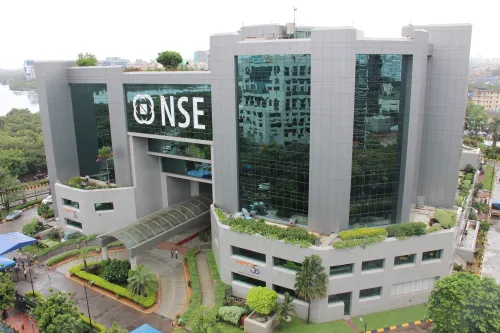
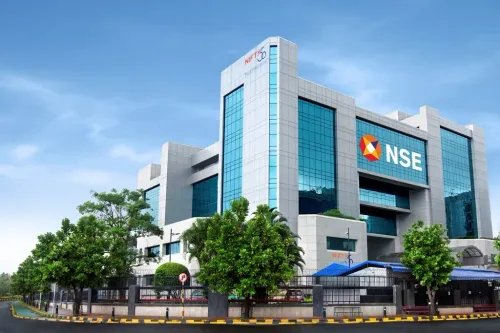
The Securities and Exchange Board of India (SEBI) has issued an observation letter for the proposed ₹30,000 crore initial public offering (IPO) of the National Stock Exchange (NSE), according to a regulatory update released on Friday, 4 September. The move marks a significant procedural milestone for what would be one of the largest exchange listings in Indian capital market history.
Structure of the Offering
The IPO is structured entirely as an offer for sale (OFS) by existing shareholders, meaning no fresh capital will be raised by NSE itself. The issue is reportedly expected to be launched later this month, subject to the completion of remaining regulatory and procedural formalities.
NSE Rules Out Self-Trading After Listing
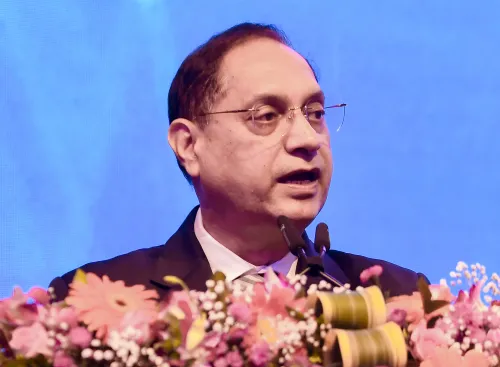
BSE Managing Director and Chief Executive Officer Sundararaman Ramamurthy confirmed earlier this month that NSE had ruled out seeking permission to trade on its own exchange after listing. The clarification came amid speculation that NSE could potentially be permitted to trade under the permitted-to-trade (PTT) category. 'NSE has confirmed no addendum will be issued for self-trading along with offer document,' Ramamurthy said. He also noted that BSE had sought similar permission in 2017 but was not granted it.
Revenue Concentration and Key Risks
NSE's draft red herring prospectus, filed with SEBI in June, flagged significant revenue concentration. Transaction charges accounted for 78.65% of operating revenue in fiscal 2026, with options trading alone contributing 60.22% of total revenue from operations. The exchange cautioned that further regulatory tightening, shifts in investor behaviour, and migration toward alternative asset classes could adversely affect trading volumes and profitability.
Pending Legal Proceedings and Settlement Costs
NSE disclosed that it incurred substantial settlement costs in recent years, including more than ₹643 crore in October 2024 and ₹40.35 crore in July 2025. The exchange also flagged unresolved legal and regulatory proceedings — notably matters related to co-location and dark fibre cases — which it acknowledged could carry both reputational and financial implications. Cybersecurity risks and technology dependencies were also highlighted as material risk factors in the prospectus.
What Comes Next
With SEBI's observation letter now in hand, NSE must complete remaining procedural steps before formally launching the IPO. Market participants and institutional investors will be watching closely, given NSE's dominant position in Indian derivatives markets and the unresolved regulatory overhang from legacy proceedings.
Point of View
But the NSE IPO is anything but. An exchange where options trading alone accounts for over 60% of revenue is structurally exposed to the very regulatory tightening SEBI has been actively pursuing in derivatives markets — creating an uncomfortable circularity for prospective investors. The unresolved co-location and dark fibre cases are not historical footnotes; they are live proceedings that could reprice the listing's risk premium overnight. Mainstream coverage is treating this as a milestone. The harder question is whether the IPO's risk disclosures are priced into the anticipated valuation — and whether retail investors will read the fine print.
NationPress
4 Sept 2026
Frequently Asked Questions
What is the NSE IPO and how much is it worth?
The NSE IPO is a proposed ₹30,000 crore initial public offering by the National Stock Exchange of India, structured entirely as an offer for sale by existing shareholders. SEBI issued its observation letter on 4 September, clearing a key regulatory milestone.
When is the NSE IPO expected to launch?
The IPO is reportedly expected to launch later in September, subject to the completion of remaining regulatory and procedural steps following SEBI's observation letter.
Will NSE trade on its own exchange after listing?
No. NSE has confirmed it will not seek permission to trade on its own exchange post-listing, ruling out the permitted-to-trade (PTT) route. BSE MD and CEO Sundararaman Ramamurthy confirmed this, noting that BSE itself was denied similar permission in 2017.
What are the key risks flagged in NSE's draft prospectus?
NSE's draft red herring prospectus highlighted revenue concentration — with options trading contributing 60.22% of total operating revenue in fiscal 2026 — along with regulatory tightening risk, cybersecurity vulnerabilities, and unresolved co-location and dark fibre legal proceedings.
What settlement costs has NSE incurred recently?
NSE disclosed settlement costs of more than ₹643 crore in October 2024 and ₹40.35 crore in July 2025. These costs, along with pending legal proceedings, have been flagged as material financial and reputational risks in its IPO filings.