What Progress Has the Smart City Mission Made?
Synopsis
The Smart City Mission has transformed urban landscapes with 7,741 completed projects worth Rs 1,55,386 crore. Dive into how this initiative is reshaping 100 cities and the impact of technology on urban living. Discover the mission's ongoing efforts and future roadmap in enhancing urban infrastructure and citizen services.
Key Takeaways
7,741 projects completed under the Smart City Mission.
Total financial outlay of Rs 48,000 crore for 100 cities.
Utilization of ICT and IoT for better urban management.
Focus on sustainability and citizen-centric infrastructure.
Plans for future urban challenges through adaptive strategies.
New Delhi, Dec 8 (NationPress) The Smart City Mission (SCM) has successfully completed 7,741 projects, which represents 96% of the total initiatives, amounting to Rs 1,55,386 crore. Additionally, there are 323 ongoing projects valued at Rs 9,425 crore as of December 1, 2025, as reported to Parliament on Monday.
In total, the mission encompassed 8,064 projects with an overall budget of Rs 1,64,811 crore across 100 cities.
The Central government allocated Rs 48,000 crore for the 100 cities. As of December 1, 2025, states and union territories (UTs) have claimed Rs 47,458 crore, equating to 99% of the total Central share allocation, as stated by Union Minister of State for Housing and Urban Affairs Tokhan Sahu in a reply to the Rajya Sabha.
Reportedly, states and UTs utilized Rs 46,093 crore, which is 97% of the total Central share claimed, the minister further noted.
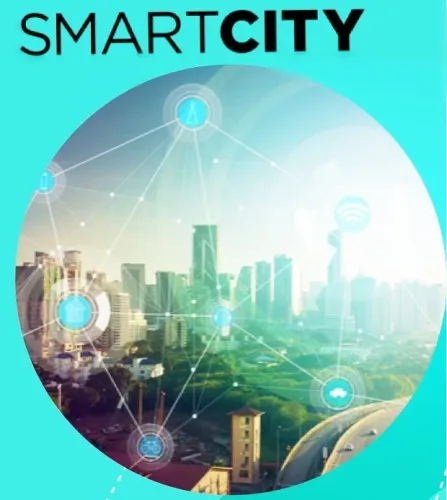
The SCM aims to enhance 100 cities through an area-based strategy, including retrofitting, redevelopment, greenfield projects, pan-city smart solutions, and sectors like mobility, water, sanitation, and hygiene (WASH), governance, energy, and environment, with each initiative having specific timelines.
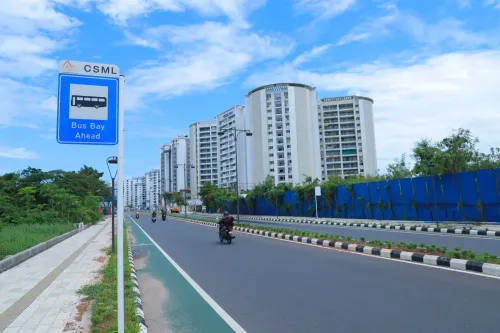
Utilizing advanced Information and Communication Technology (ICT), Internet of Things (IoT), and data-driven systems such as Integrated Command and Control Centres (ICCCs), smart mobility, e-governance, and efficient waste management systems, the mission aspires to enhance service delivery. These improvements promote urban renewal through better roads, housing, public spaces, sustainability initiatives, and infrastructure centered on citizens, resulting in safer, more efficient, and livable cities.
Post the financial closure of SCM on March 31, 2025, there will be no further budget allocation under the Mission, the minister added.
In June 2025, the ministry issued directives to all states and UTs, detailing the anticipated future role of Special Purpose Vehicles (SPVs) and a roadmap for sustaining Integrated Command and Control Centres (ICCCs).
The advisory requests all SPVs to ensure the prompt completion of ongoing SCM projects and devise operation and maintenance plans for the created assets. Furthermore, it emphasizes the need to repurpose SPVs to address emerging urban challenges.
Point of View
I believe the Smart City Mission is pivotal for urban development in India. The results so far are commendable, indicating a strong commitment to improving urban infrastructure. However, continuous monitoring and adaptive strategies are essential to cope with the evolving urban challenges. The focus must remain on sustainable practices and citizen engagement to ensure long-term success.
NationPress
19 Sept 2026
Frequently Asked Questions
What is the Smart City Mission?
The Smart City Mission is an initiative aimed at developing urban areas through various projects that enhance infrastructure, governance, and citizen services, focusing on sustainability and smart technology.
How many projects have been completed under the Smart City Mission?
As of December 1, 2025, 7,741 projects have been completed, accounting for 96% of the total initiatives.
What is the total financial allocation for the Smart City Mission?
The total financial allocation for the Smart City Mission is Rs 48,000 crore for 100 cities.
What technologies are being utilized in the Smart City Mission?
Technologies such as Information and Communication Technology (ICT), Internet of Things (IoT), and data-driven systems are being employed to enhance service delivery and urban management.
What is the focus of ongoing projects under the Smart City Mission?
Ongoing projects focus on urban renewal through smart solutions, improved infrastructure, and sustainability initiatives, addressing various sectors like mobility and governance.