Did SpaceX Really Acquire xAI to Launch Space-Based AI Data Centres?
Synopsis
In a bold move, Elon Musk's SpaceX has acquired his AI startup xAI, intending to revolutionize AI compute capabilities through satellite constellations in space. This innovative approach promises unmatched efficiency and power for AI technologies, paving the way for unprecedented advancements. Discover how this acquisition could reshape the AI landscape forever!
Key Takeaways
SpaceX has acquired xAI to enhance AI computing in space.
Plans include launching satellites as orbital data centers .
A potential increase of 100 gigawatts of AI capacity annually.
Space-based AI is deemed more cost-effective than terrestrial solutions.
V3 Starlink satellites are set to launch in 2026, enhancing connectivity globally.
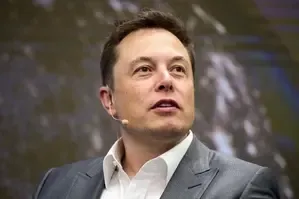
Mumbai, Feb 3 (NationPress) Entrepreneur Elon Musk, known for his ventures in various high-tech fields, announced that his aerospace company SpaceX has taken over his AI startup, xAI. The ambitious plan involves enhancing AI computing capabilities in space by deploying extensive satellite constellations functioning as orbital data centers.
According to Musk, "The goal is to launch a million tonnes of satellites each year, producing kilowatts (kW) of computational power for every tonne. This initiative could yield an annual increase of 100 gigawatts in AI computational capacity, without ongoing operational or maintenance costs. Ultimately, we can aim for a launch of 1 TW/year from Earth," he stated.
Musk emphasized that space-based AI is the only sustainable long-term solution to address the substantial energy demands of advanced AI technologies, asserting that near-constant solar energy in orbit can provide computing power at a significantly lower cost compared to traditional data centers located on Earth.
This cost-effectiveness will empower enterprises to enhance the training of their AI models and process data at unprecedented speeds and scales, according to the tech visionary.
He remarked, "To utilize even a millionth of our Sun’s energy would necessitate over a million times the energy our civilization currently consumes! Hence, the rational approach is to relocate these energy-intensive operations to an area where resources and space are abundant."
He also pointed out that the current advancements in AI rely heavily on substantial terrestrial data centers, which demand vast amounts of energy and cooling.
Musk cautioned that the global electricity demand for AI cannot be satisfied through terrestrial solutions in the near future without imposing challenges on communities and the environment.
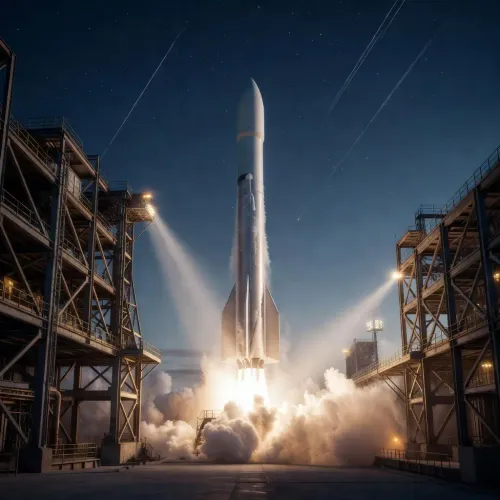
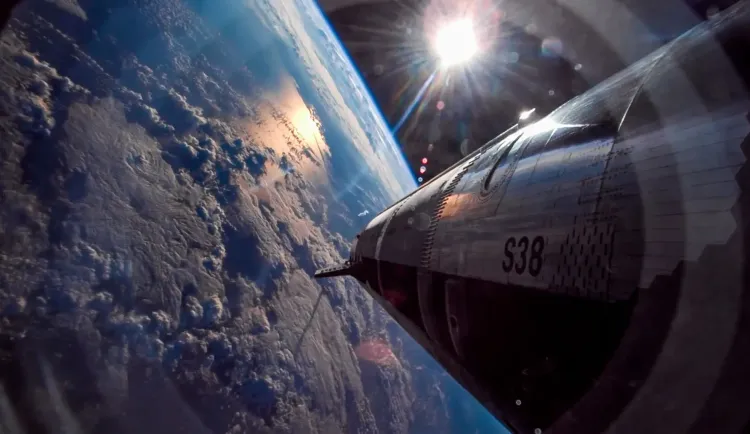
SpaceX plans to commence the deployment of the more powerful V3 Starlink satellites in 2026, with each launch contributing over 20 times the capacity of the current Falcon launches of the V2 Starlink satellites.
He elaborated, stating that these launches would occur “every hour, carrying 200 tons per flight,” ultimately transporting millions of tons to orbit and beyond.
Additionally, Starship will initiate the launch of the next generation of direct-to-mobile satellites, promising complete cellular coverage globally, he noted.
Point of View
This significant development from Elon Musk and SpaceX reflects a decisive step towards addressing the challenges faced by current AI technologies. The acquisition of xAI and the plans for space-based data centers could revolutionize the computing landscape, ensuring that as we venture into advanced AI, we do so sustainably and efficiently. This aligns with our commitment to covering innovations that could shape the future.
NationPress
14 Oct 2026
Frequently Asked Questions
What is the main goal of SpaceX's acquisition of xAI?
The main goal is to enhance AI computing capabilities by launching large satellite constellations that will serve as orbital data centers.
How much AI compute capacity does Elon Musk anticipate from this initiative?
Elon Musk estimates that launching a million tonnes of satellites per year could generate an additional 100 gigawatts of AI compute capacity annually.
Why does Musk believe space-based AI is necessary?
Musk argues that space-based AI is the only viable long-term solution to meet the immense power demands of advanced AI, offering lower costs than traditional terrestrial data centers.
When will SpaceX launch the new V3 Starlink satellites?
SpaceX plans to start launching the more powerful V3 Starlink satellites in 2026.
What is the significance of using solar energy in this project?
Using solar energy in space allows for significant cost reductions in generating computational power compared to energy sourced from terrestrial solutions.