What is Driving the Surge in Industrial Metals and Its Impact on Household Goods?
Synopsis
The recent surge in industrial metals like copper, aluminium, and nickel is reshaping household appliance pricing. With aluminium surpassing $3,000 per tonne and copper nearing $12,000, manufacturers face increased costs. Explore how these shifts impact consumer budgets and what reforms are in place to address mineral security.
Key Takeaways
Industrial metals like copper and aluminium are experiencing significant price increases.
Household goods are impacted by rising production costs.
Manufacturers are considering price hikes of 5–8 percent .
Government reforms aim to modernize mining and enhance mineral security.
Long-term demand for these metals remains robust.
New Delhi, Jan 3 (NationPress) The prices of industrial metals such as copper, aluminium, and nickel have seen a significant increase, primarily due to tightening supply and strong demand. Aluminium has surpassed the $3,000 per tonne threshold for the first time in over three years, while copper has approached historic highs, exceeding $12,000 per tonne.
Manufacturers of household appliances are grappling with the challenge of absorbing these elevated input costs, which have impacted consumer budgets. Products that are rich in copper, such as air conditioners, kitchen appliances, bath fittings, and cookware, are witnessing price hikes.
Recently, copper prices on the MCX reached Rs 1,300 per kg, reflecting an increase of over 6 percent. Reports indicate that manufacturers are planning to raise prices by 5–8 percent to maintain their profit margins.
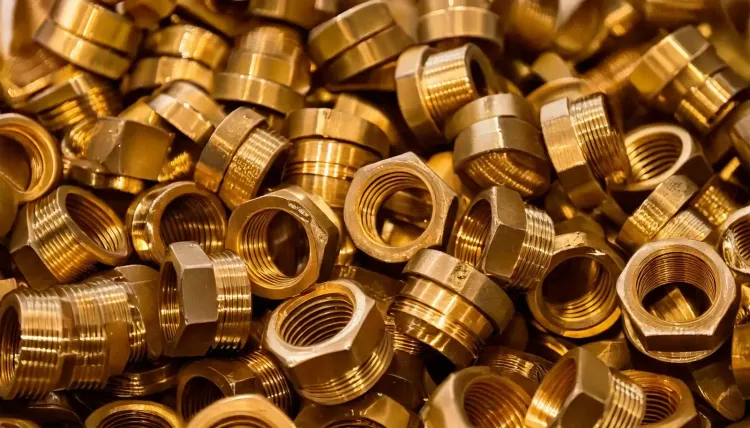
Bathware manufacturers are under additional pressure as prices for brass, a copper-based material, have surged by double digits since the beginning of the financial year.
The increase in aluminium prices is attributed to structural supply constraints, including limits on smelting capacity in China and decreased output in Europe, which is compounded by persistently high energy costs. Nevertheless, long-term demand remains strong, driven by construction, renewable energy, and infrastructure projects.
Copper has experienced its most significant annual gain since 2009 due to ongoing supply disruptions. Incidents such as mining accidents in Indonesia, Chile, and the Democratic Republic of the Congo, along with labor unrest at a prominent Chilean mine, have constrained availability. Uncertainties in trade have also led to accelerated shipments to the US.
Nickel prices have also risen after Indonesia, the world's largest producer, announced plans to reduce output, along with a temporary reduction at a PT Vale Indonesia mine, which raised concerns about near-term supply, according to reports.
Supporting this rally are falling interest rates, a weaker dollar, and optimism surrounding a potential recovery in China. This robust trend indicates a broader shift in investor interest towards commodities over traditional safe havens like gold and silver. Significant investments in artificial intelligence and energy transition projects are further propelling this price surge.
In related news, the Ministry of Mines has introduced extensive policy reforms aimed at modernizing India’s mining sector and enhancing mineral security, as reported earlier this week.
Point of View
It’s crucial to recognize the significant impact of rising industrial metal prices on the economy and consumer behavior. The ongoing price surges in metals like copper and aluminium are not merely market fluctuations; they reflect deeper structural issues within the supply chain that warrant attention from policymakers and the industry alike. We stand committed to providing insightful coverage on how these developments affect the broader economic landscape and consumer welfare.
NationPress
24 Sept 2026
Frequently Asked Questions
Why are industrial metal prices increasing?
Industrial metal prices are rising due to tightening supply and robust demand, influenced by factors such as energy costs and supply chain disruptions.
What impact does this have on household goods?
The increase in metal prices leads to higher production costs for household goods, resulting in price hikes for items like air conditioners and cookware.
How are manufacturers responding to the rising costs?
Manufacturers are planning to increase prices by approximately 5–8% to safeguard their profit margins amidst rising input costs.
What role do government policies play in this situation?
Government reforms in mining are aimed at modernizing the sector and enhancing mineral security, which may help stabilize supply in the long run.
What are the long-term prospects for these metals?
Long-term demand for metals like copper and aluminium remains strong, driven by construction, renewable energy, and infrastructure projects.