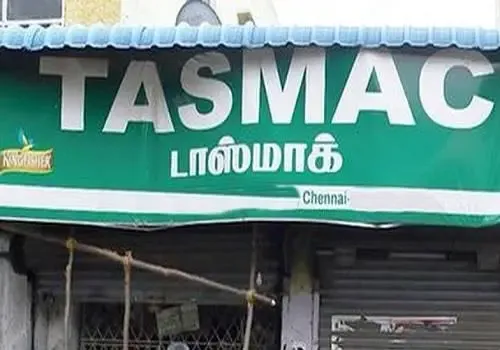
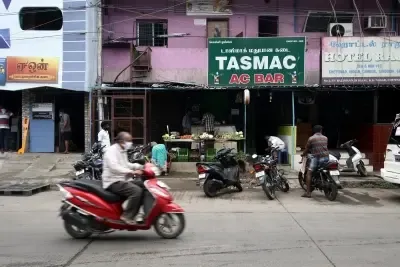
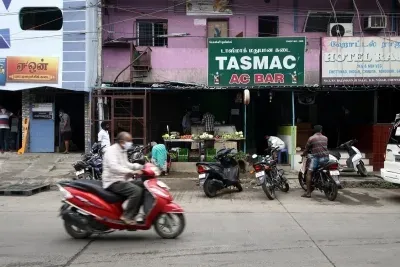
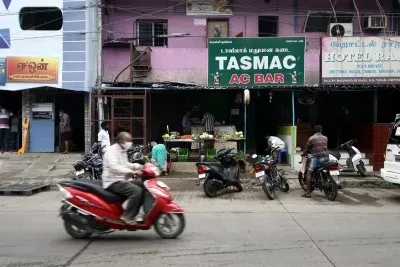
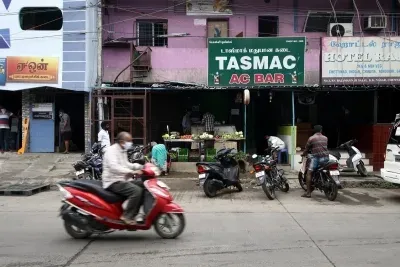
TASMAC mandates digital payments above ₹1,000 from November 1 across 4,048 outlets
Synopsis
TASMAC is enforcing digital-only payments above ₹1,000 at all 4,048 liquor outlets from 1 November, with the bar dropping to ₹500 in January 2027. The move is a direct strike at overcharging complaints and informal cash handling — and the mandatory POS trail means, for the first time, every overpriced bottle becomes a traceable transaction.
Key Takeaways
TASMAC mandates digital payments for purchases above ₹1,000 at all 4,048 retail outlets from 1 November 2026 .
The threshold drops further to purchases above ₹500 from 1 January 2027 .
Accepted modes: UPI , debit cards , and credit cards — all via authorised POS machines only; personal UPI IDs and individual QR codes are banned.
The reform directly addresses customer complaints of being charged above MRP on liquor bottles.
Employees must issue a bill for every purchase; shops must display 2-ft x 3-ft notices explaining the new payment rules.
Customers can report overcharging on TASMAC's toll-free helpline: 1800 889 2015 .
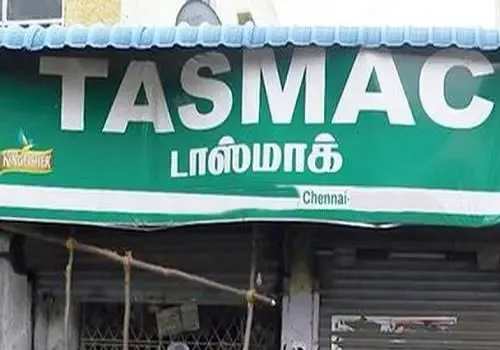
Tamil Nadu State Marketing Corporation (TASMAC) will make digital payments mandatory for liquor purchases exceeding ₹1,000 at all 4,048 of its retail outlets starting 1 November 2026, as part of a phased reform aimed at curbing overcharging and tightening financial accountability across its statewide retail network.
Key Developments
The policy will be rolled out in two stages. From 1 November 2026, customers spending more than ₹1,000 in a single transaction must pay digitally. The threshold will then be lowered to purchases exceeding ₹500 from 1 January 2027, progressively pushing more transactions away from cash.
TASMAC Managing Director K. Nanthakumar issued a formal circular on Monday directing district managers to prepare outlets for seamless implementation. Accepted payment modes include UPI, debit cards, and credit cards, all of which must be processed exclusively through point-of-sale (POS) machines connected to the corporation's designated bank account.
Crackdown on Informal Payment Channels
The circular explicitly bars employees from accepting payments via personal UPI IDs, individual QR codes, or private bank accounts. Every digital transaction must pass through the authorised payment infrastructure, ensuring all sale proceeds flow directly into TASMAC's corporate account. This is a direct response to complaints that some outlet staff were routing payments through informal channels, making reconciliation difficult and opening the door to overcharging.
Employees are also required to issue a bill for every purchase and verify that the amount collected matches the applicable Maximum Retail Price (MRP). Shops have been instructed to display notices measuring two feet by three feet explaining the new payment arrangements to customers.
Why TASMAC Is Making This Move
The corporation cited three operational concerns driving the reform: the risks associated with handling large volumes of cash, the possibility of accounting discrepancies, and the added workload that cash reconciliation places on outlet employees. Crucially, the decision also follows persistent complaints from customers about being charged above the MRP for liquor bottles — a long-standing grievance across the network.
Digitising transactions creates an auditable trail, making it significantly harder for outlets to charge prices above the official rate. This is not the first time TASMAC has attempted systemic reforms; earlier efforts to standardise pricing and billing have had mixed results at the ground level.
Monitoring and Compliance Mechanism
District managers have been tasked with verifying that POS machines are operational and with arranging training for staff on processing digital payments and reconciling daily transactions. Supervisors must promptly report complaints and violations — including overcharging allegations — to district managers.
Compliance will be assessed through periodic inspections by district managers and officials from TASMAC's head office. Monthly monitoring reports have been mandated to track adherence to the circular and evaluate the payment system's performance at each outlet.
Customers who face overcharging or other irregularities can lodge complaints through TASMAC's toll-free helpline at 1800 889 2015.
What Comes Next
With roughly six weeks to 1 November 2026, the pace of POS installation, staff training, and customer communication across more than four thousand outlets will determine whether the rollout is smooth or chaotic. The January 2027 threshold reduction means the corporation will have limited time to address early-stage glitches before the net widens further.
Point of View
But its success hinges entirely on last-mile execution. TASMAC has over 4,000 outlets, many of them in semi-urban and rural pockets where digital literacy among both staff and customers remains uneven. Mandating POS machines is one thing; ensuring they are reliably connected, regularly reconciled, and not quietly bypassed is another. The real accountability test will come when the monthly monitoring reports are made public — or if they are not. The overcharging problem is well-documented; what has been missing is a mechanism that makes every irregular transaction visible. This reform creates that mechanism, but only if enforcement is genuine and not perfunctory.
NationPress
27 Oct 2026
Frequently Asked Questions
What is the new TASMAC digital payment rule?
From 1 November 2026, customers buying liquor worth more than ₹1,000 at any TASMAC outlet must pay digitally via UPI, debit card, or credit card through an authorised POS machine. The threshold will further reduce to purchases exceeding ₹500 from 1 January 2027.
Why is TASMAC making digital payments mandatory?
TASMAC has introduced the reform to address overcharging complaints, reduce cash-handling risks, eliminate accounting discrepancies, and create an auditable transaction record. Customers have long complained about being charged above the MRP on liquor bottles, and digital transactions make every sale traceable.
Can TASMAC employees still accept cash?
Cash payments remain permitted below the ₹1,000 threshold until November 2026 and below ₹500 from January 2027. However, employees are strictly barred from accepting any payments through personal UPI IDs, individual QR codes, or private bank accounts, regardless of the amount.
How many TASMAC outlets are covered under this order?
The directive applies to all 4,048 TASMAC retail shops across Tamil Nadu. District managers are responsible for ensuring POS machines are operational and that staff are trained before the 1 November 2026 deadline.
How can customers complain about overcharging at TASMAC outlets?
Customers who experience overcharging or other irregularities can call TASMAC's toll-free helpline at 1800 889 2015. Supervisors at outlets are also required to report violations and complaints to district managers as part of the new compliance framework.