Tata Motors to invest in EV and hydrogen tech for commercial vehicles: Chandrasekaran
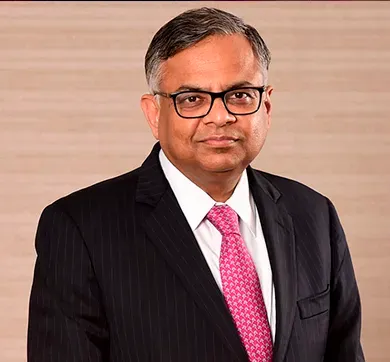
Synopsis
Tata Motors is not picking a single clean-energy winner — Chairman Chandrasekaran has committed the company to electric, hydrogen and cleaner ICE technologies simultaneously for commercial vehicles. Backed by a record ₹83,855 crore in FY26 revenue and a 72.3% return on capital employed, the company is betting that no single technology can decarbonise heavy transport alone.
Key Takeaways
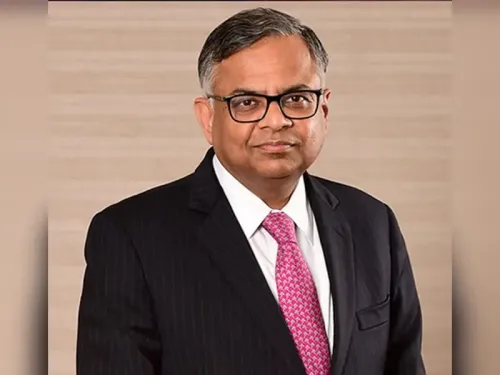
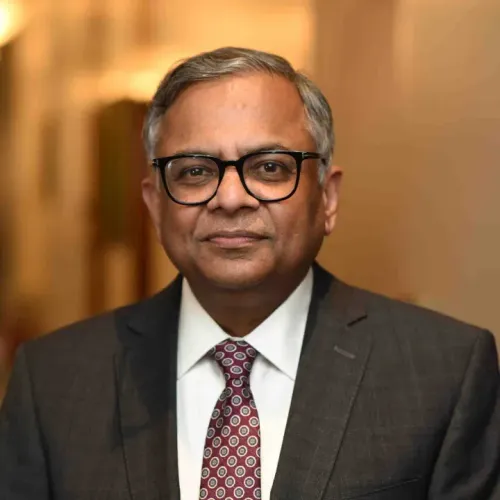
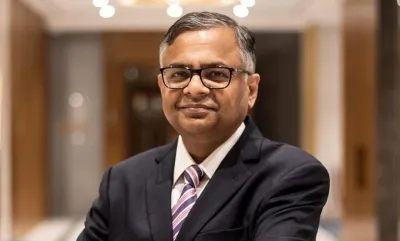
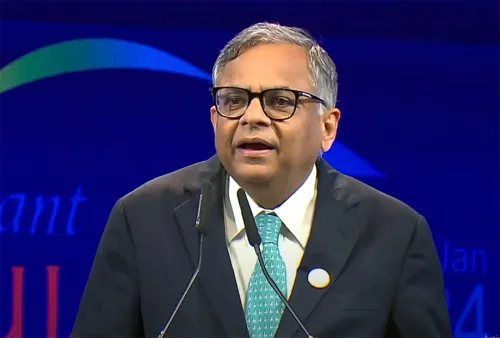
Tata Motors Chairman Natarajan Chandrasekaran reaffirmed investment in EV and hydrogen technologies for commercial vehicles in the FY26 annual report .
The company posted its highest-ever revenue of ₹83,855 crore in FY26 , up 9.8 per cent from ₹76,359 crore in FY25.
The automotive business delivered a return on capital employed of 72.3 per cent , among the highest in the global commercial vehicle industry.
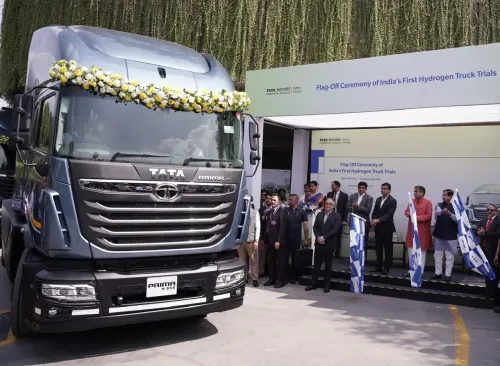
Hydrogen investment is focused on heavier-duty transport segments where battery-electric range remains limited.
Future technology bets include connected vehicle platforms , ADAS , data-driven fleet services , and next-generation powertrains .
Tata Motors Limited will continue channelling investments into electric and hydrogen-based technologies for its commercial vehicle segment as India's clean mobility transition gathers pace, Chairman Natarajan Chandrasekaran said in his message to shareholders in the company's annual report for 2025-26. The statement signals a multi-technology bet at a time when the commercial vehicle industry faces pressure to decarbonise across varying duty cycles.
Multi-Technology Strategy for Clean Mobility
Chandrasekaran made clear that the shift to sustainable transportation cannot hinge on a single technology pathway. He outlined a three-pronged approach: expanding the portfolio of zero-emission electric commercial vehicles, investing in hydrogen-powered solutions — particularly for heavier-duty transport segments where battery range remains a constraint — and continuing to refine cleaner internal combustion engine (ICE) technologies as a bridge solution.
This stance reflects a broader industry consensus that long-haul trucking and heavy freight, which account for a disproportionate share of transport emissions, are unlikely to be served by battery-electric alone in the near term.
Record Revenue and Profitability in FY26
Chandrasekaran also reported a strong financial year. Tata Motors posted its highest-ever revenue of ₹83,855 crore in FY26, up from ₹76,359 crore in FY25 — a year-on-year growth of 9.8 per cent. Profitability improved sharply, with the automotive business delivering a return on capital employed of 72.3 per cent, which Chandrasekaran described as one of the highest levels in the global commercial vehicle industry.
Digital and AI Capabilities at the Core
Beyond powertrains, the chairman highlighted that advances in digital technologies and artificial intelligence are reshaping how mobility products are designed, operated and supported. Tata Motors plans to invest in connected vehicle platforms, advanced driver assistance systems (ADAS), data-driven fleet services, and next-generation powertrains as part of its forward capital allocation strategy.
Chandrasekaran noted that disciplined capital allocation will remain a priority, ensuring that technology investments translate into measurable returns rather than speculative outlays.
Macro Headwinds and Strategic Resilience
The chairman acknowledged that geopolitical uncertainties and an uneven global economic recovery are compounding industry challenges. He said agility and resilience have become critical for long-term competitiveness, particularly as global supply chains continue to restructure. The company, he added, is well-positioned to capitalise on emerging mobility opportunities while sustaining profitable growth.
With commercial vehicle electrification policy in India still evolving and hydrogen infrastructure at an early stage, Tata Motors' technology-agnostic posture appears calibrated to hedge regulatory and market risk simultaneously. The company's next strategic milestones will be closely watched by fleet operators, policymakers and investors alike.
Point of View
And commercial EV adoption outside last-mile delivery remains thin. The record 72.3% return on capital employed is a striking number, but it will be tested as the company scales capital-intensive hydrogen and connected-vehicle bets simultaneously. Tata Motors is essentially asking investors to trust that it can out-execute on three technology fronts at once, in a macro environment the chairman himself described as volatile. The real stress test comes when hydrogen policy clarity — or its absence — forces a capital allocation choice.
NationPress
22 Oct 2026
Frequently Asked Questions
What is Tata Motors' strategy for commercial vehicle electrification?
Tata Motors is pursuing a multi-technology approach combining zero-emission electric vehicles, hydrogen-powered solutions for heavy-duty segments, and cleaner ICE technologies as a bridge. Chairman Natarajan Chandrasekaran outlined this strategy in the company's FY26 annual report, arguing that no single technology can serve all commercial transport needs.
What revenue did Tata Motors report for FY26?
Tata Motors recorded its highest-ever revenue of ₹83,855 crore in FY26, up 9.8 per cent from ₹76,359 crore in FY25. The automotive business also delivered a return on capital employed of 72.3 per cent, described as one of the highest in the global commercial vehicle industry.
Why is Tata Motors investing in hydrogen for commercial vehicles?
Hydrogen is being prioritised for heavier-duty transport segments where battery-electric range is currently insufficient. Chandrasekaran noted that long-haul and high-load applications require energy-dense solutions that hydrogen can provide more effectively than batteries in the near term.
What digital technologies is Tata Motors investing in?
The company plans to invest in connected vehicle platforms, advanced driver assistance systems (ADAS), data-driven fleet services, digital mobility solutions, and next-generation powertrains, alongside its clean-energy technology bets.
What macro risks did Chandrasekaran flag for Tata Motors?
Chandrasekaran highlighted geopolitical uncertainties and uneven economic recovery across regions as key headwinds, making agility and resilience critical. He said Tata Motors is focused on disciplined capital allocation to navigate these challenges while pursuing profitable growth.