Tamil Nadu hostel, PG rents rise 10% from May 5 as LPG costs surge
Synopsis
More than 20 lakh hostel and PG residents across Tamil Nadu will pay up to 10% more from 5 May 2025, as commercial LPG costs reportedly more than double and operators exhaust alternatives like firewood. Chennai, home to the largest share of the state's 20,000-plus hostels, faces the steepest pinch — with food service cuts and rising maintenance charges adding to the burden.
Key Takeaways
Tamil Nadu hostel and PG rents rise by approximately 10% , effective 5 May 2025 .
Four-sharing rooms now cost ₹6,500–₹7,500 ; three-sharing ₹7,000–₹8,000 ; two-sharing ₹8,000–₹9,000 per month.
Commercial 19-kg LPG cylinder costs have reportedly more than doubled in recent months, the primary trigger for the hike.
The state has over 20,000 hostels housing nearly 20 lakh residents , with Chennai accounting for a large share.
Several operators have cut food services or shifted to packaged meals; some have also raised maintenance charges.
No immediate relief in fuel prices is expected, with stakeholders warning costs may remain elevated in the near term.
Students and working professionals in Tamil Nadu are set to face higher living expenses from 5 May 2025, as hostel and paying guest (PG) accommodation operators across the state have raised monthly rents by approximately 10 per cent, citing a sharp increase in commercial LPG cylinder prices and overall cooking costs. The revised rates, announced through an official communication by a state-level association of IT hostel and PG owners, are expected to affect an estimated 20 lakh residents across the state's more than 20,000 hostels.
Revised Rental Structure
Under the new tariff framework, monthly rates for non-air-conditioned accommodations have been standardised within a revised baseline range. Four-sharing rooms are now priced between ₹6,500 and ₹7,500, while three-sharing rooms range from ₹7,000 to ₹8,000. Two-sharing accommodations are expected to cost between ₹8,000 and ₹9,000 per month. Operators have noted that actual rents may vary depending on location, amenities, and local demand conditions.
Why Costs Have Spiked
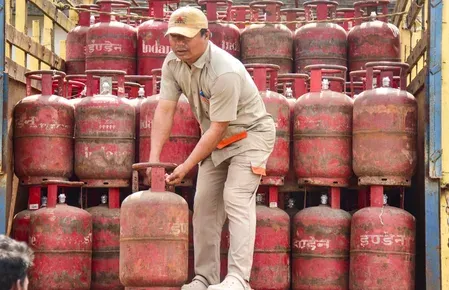
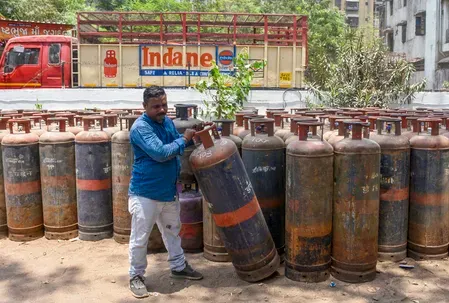
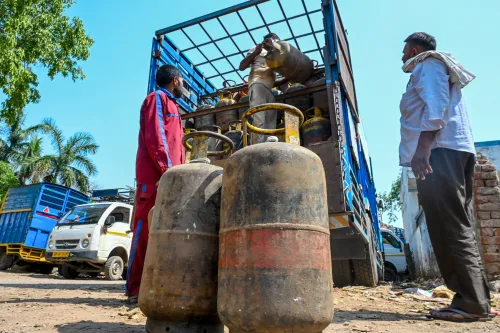
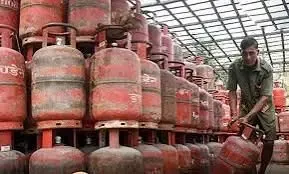
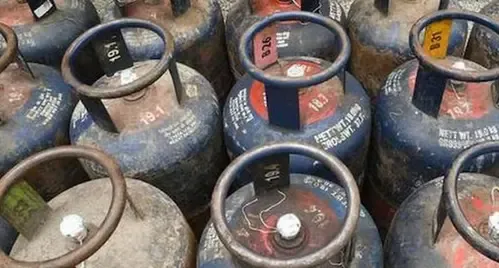
The primary driver of the rent increase is the steep rise in the cost of 19-kg commercial LPG cylinders, which operators say have more than doubled in recent months — significantly impacting hostel kitchens that rely heavily on gas for large-scale food preparation. This comes amid broader inflationary pressures on operational expenses that have been building over the past several months.
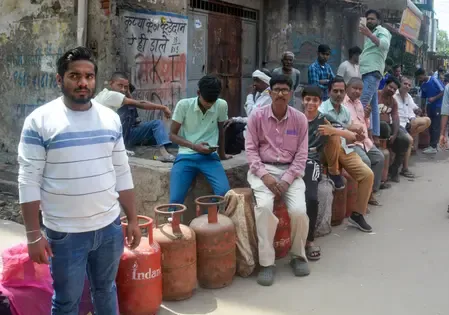
Supply constraints have reportedly compounded the problem, pushing many operators to procure cylinders at substantially higher rates through informal channels. In an attempt to manage costs, several hostel operators had temporarily shifted to alternative cooking methods, including firewood. However, rising prices of these substitutes have rendered them equally unsustainable, ultimately forcing operators to pass the financial burden on to residents.
Impact on Residents
The strain on occupants is already visible. Some hostels have begun scaling back food services or discontinuing items that require higher fuel consumption. In several cases, residents have had to rely on outside food options or packaged meals, adding to their monthly outgoings. Additionally, some establishments have raised maintenance charges, further compounding the financial pressure on tenants — particularly students and entry-level working professionals who form the bulk of the hostel-dwelling population.
Notably, Chennai accounts for a substantial share of the state's hostel capacity and is expected to see the most pronounced impact of the revised rates.
What Operators and Stakeholders Say
Hostel operators have indicated that the rent revision was unavoidable given the sustained increase in operational costs. With no immediate relief expected in commercial fuel prices, stakeholders warn that accommodation costs may remain elevated in the near term. Some operators have also reduced the variety and quantity of food served, citing the need to contain losses without further burdening residents with additional charges. The situation underscores a growing affordability challenge for a large segment of urban residents across Tamil Nadu.
With operational pressures showing no sign of easing, the coming weeks will determine whether further revisions are on the horizon or whether a stabilisation in LPG supply can provide some relief.
Point of View
Or extends some form of subsidy buffer to the sector, the 10% hike announced for May 5 is unlikely to be the last.
NationPress
24 Sept 2026
Frequently Asked Questions
Why are hostel and PG rents increasing in Tamil Nadu from May 2025?
Hostel and PG rents in Tamil Nadu are rising by approximately 10% from 5 May 2025 due to a sharp increase in commercial LPG cylinder costs, which operators say have more than doubled in recent months. Supply constraints have further pushed up procurement costs, making large-scale food preparation significantly more expensive.
What are the new hostel rent rates in Tamil Nadu from May 5, 2025?
Under the revised structure, four-sharing rooms are priced at ₹6,500–₹7,500 per month, three-sharing rooms at ₹7,000–₹8,000, and two-sharing rooms at ₹8,000–₹9,000. These are baseline ranges for non-air-conditioned accommodations; actual rents may vary by location and amenities.
How many people are affected by the hostel rent hike in Tamil Nadu?
The state has over 20,000 hostels accommodating nearly 20 lakh residents, with Chennai accounting for a substantial share. Students and working professionals form the majority of those affected.
Have hostel operators tried any alternatives to manage rising LPG costs?
Yes, several hostel operators reportedly shifted temporarily to firewood as an alternative cooking fuel. However, rising prices of firewood also made it unsustainable, leaving operators with no option but to pass costs on to residents through rent hikes and service reductions.
Will hostel and PG rents in Tamil Nadu rise further after May 2025?
Stakeholders indicate that accommodation costs may remain elevated in the near term as no immediate relief in commercial fuel prices is expected. Further revisions cannot be ruled out if LPG supply constraints and price pressures persist.