Diwali 2026: Traders worship Bahi-Khata and iPads as CAIT blends tradition with tech
Synopsis
This Diwali, India's traders placed iPads and laptops alongside traditional Bahi-Khatas on the puja thali — a ritual shift encouraged by CAIT for years that captures an entire community's negotiation between heritage and digital commerce. With CAIT's Praveen Khandelwal also invoking the Vocal for Local campaign, the ceremony doubled as an economic statement on domestic manufacturing and FDI-era competition.
Key Takeaways
Indian traders nationwide worshipped Bahi-Khatas alongside iPads, laptops, and mobile phones during Diwali 2026 puja ceremonies on 8 November 2026 .
CAIT has encouraged the practice of including digital devices in Diwali puja for several years as a symbol of technology adoption.
A special ceremony was held at the residence of CAIT Secretary General and Chandni Chowk MP Praveen Khandelwal in New Delhi .
Traders also worshipped Lord Hanuman as a symbolic assertion against growing global retail FDI influence on Indian trade.
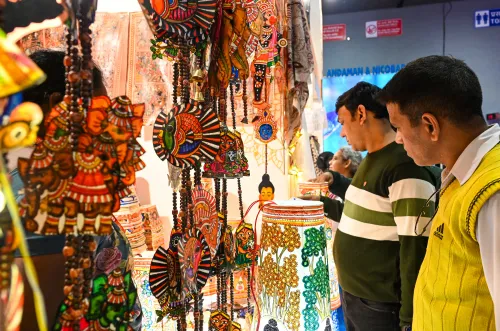
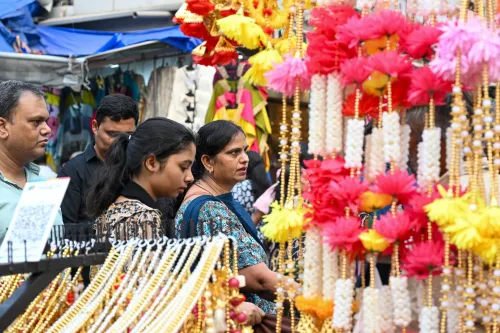
Indian-made products — including earthen lamps, textiles, handicrafts, and sweets — recorded strong Diwali demand, supporting the Vocal for Local campaign.
Traders across India this Diwali performed Lakshmi-Ganesh puja at their business establishments, placing traditional account books (Bahi-Khatas) alongside iPads, laptops, computers, and mobile phones — a ritual that captures the trading community's evolving relationship with technology while holding fast to centuries-old customs.
The New Face of an Old Ritual
The practice of worshipping digital devices alongside the Bahi-Khata has been actively encouraged by the Confederation of All India Traders (CAIT) for several years. The symbolic gesture reflects a wider shift in Indian commerce, where technology adoption is accelerating without displacing cultural identity. Ceremonies were held at business establishments across cities, towns, and villages nationwide on 8 November 2026.
CAIT's Special Puja in New Delhi
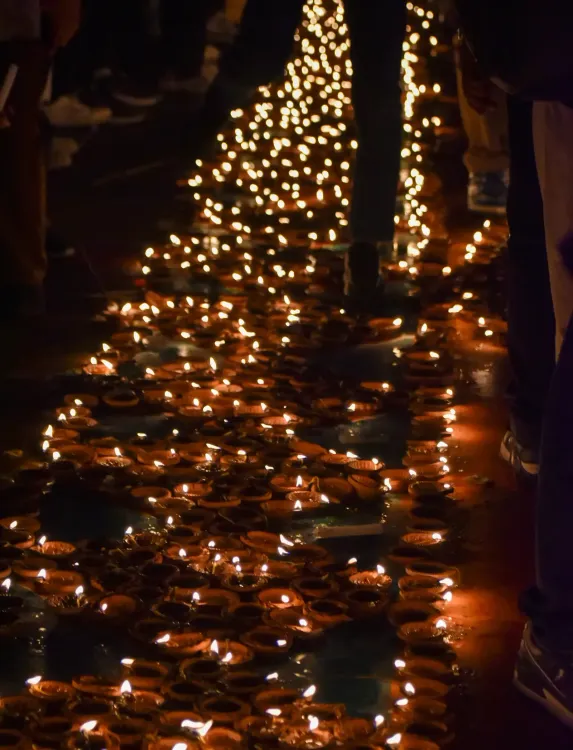
CAIT organised a dedicated Diwali puja at the residence of its Secretary General and Chandni Chowk MP Praveen Khandelwal in New Delhi, drawing prominent trade leaders and representatives of business organisations from across the country. Acharya Pandit Pramod Shastri presided over the Vedic rituals, as the venue was adorned with flowers, rose petals, and earthen lamps. The idols of Lord Ganesha and Goddess Mahalakshmi were ceremonially anointed with Panchamrit. A large artistic installation depicting a traditional Indian trader holding a computer served as the event's centrepiece, symbolising the sector's transformation.
Notably, traders also worshipped Lord Hanuman — revered as Sankatmochan — as a symbolic assertion of their resolve to safeguard traditional Indian businesses against the growing footprint of global retail corporations following the liberalisation of the retail sector to foreign direct investment (FDI).
Khandelwal on Culture, Technology, and Swadeshi
Speaking at the ceremony, Khandelwal described Diwali as 'not only an important festival of Sanatan Dharma but also the country's biggest economic celebration,' underscoring the confluence of faith, tradition, and commerce that the festival represents. He said the dual worship of digital devices and account books reflected how Indian traders were embracing modernity while remaining rooted in their cultural heritage.
Khandelwal also pointed to strong consumer demand for Indian-made products during this Diwali season, attributing part of the momentum to Prime Minister Narendra Modi's appeal to promote Swadeshi and purchase domestically manufactured goods. Earthen lamps, decorative items, textiles, handicrafts, sweets, toys, household products, and traditional gifts made in India reportedly recorded strong sales, benefiting domestic manufacturers, artisans, small businesses, and women entrepreneurs.
Vocal for Local: Slogan to Movement
Khandelwal emphasised that the Vocal for Local campaign was 'gradually emerging as a national economic movement rather than remaining merely a slogan.' He argued that purchasing Indian-made products strengthens domestic manufacturing, generates employment, and supports local artisans and entrepreneurs — ultimately contributing to broader economic growth. This comes amid sustained government messaging around self-reliance and import substitution, which has found a receptive audience among India's estimated 8 crore-strong trader community.
As Indian commerce continues to straddle tradition and digital transformation, the Bahi-Khata and the iPad on the same puja thali may well become the defining image of a trading community in transition.
Point of View
The structural pressures on traditional retail from e-commerce and FDI-backed chains have not eased. Worshipping a laptop does not automatically translate into digital competence or market access; the gap between the symbolism and actual technology adoption among smaller traders remains wide. The ceremony's most substantive signal is the continued anxiety over FDI in retail — a policy fault line that successive governments have navigated cautiously, and which CAIT has consistently used as a mobilising cause.
NationPress
8 Nov 2026
Frequently Asked Questions
Why did traders worship iPads and laptops during Diwali 2026?
Traders worshipped digital devices alongside traditional Bahi-Khatas as a symbol of their embrace of modern technology while preserving cultural customs. The practice has been actively encouraged by the Confederation of All India Traders (CAIT) for several years to reflect the growing role of digital tools in Indian commerce.
What is CAIT and what role did it play in Diwali 2026?
CAIT, the Confederation of All India Traders, is one of India's largest trader bodies. For Diwali 2026, it organised a special puja at the residence of its Secretary General Praveen Khandelwal in New Delhi, bringing together trade leaders to blend Vedic rituals with a message of digital adoption and Swadeshi promotion.
What is the significance of the Vocal for Local campaign during Diwali?
The Vocal for Local campaign encourages consumers to buy Indian-made products, supporting domestic manufacturers, artisans, and small businesses. During Diwali 2026, CAIT reported strong demand for Indian goods such as earthen lamps, textiles, and handicrafts, with Khandelwal describing the campaign as evolving into a national economic movement.
Why did traders worship Lord Hanuman during this Diwali puja?
Traders worshipped Lord Hanuman, revered as Sankatmochan or the remover of obstacles, as a symbolic expression of their resolve to protect traditional Indian businesses from the growing influence of global retail corporations, particularly following the liberalisation of the retail sector to foreign direct investment.
Which Indian-made products saw strong demand during Diwali 2026?
According to CAIT, earthen lamps, decorative items, textiles, handicrafts, sweets, toys, household products, and traditional gifts made in India recorded strong consumer demand during Diwali 2026, providing a boost to domestic manufacturers, artisans, small businesses, and women entrepreneurs.