CAIT writes to Rahul Gandhi over Delhi protest disruptions, plans 'Dhikkar Diwas'
Synopsis
India's largest traders' body has drawn a constitutional battle line — invoking Article 19(1)(g) to hold Rahul Gandhi personally accountable for business losses during Delhi's peak shopping season. With a 'Dhikkar Diwas' in the works and a national meeting post-Diwali, CAIT is turning a local grievance into a nationwide political confrontation.
Key Takeaways
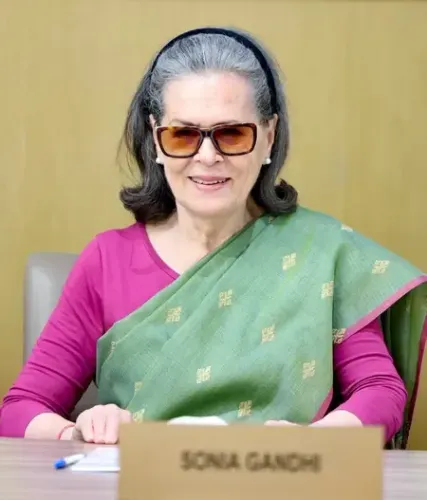
CAIT wrote to Lok Sabha LoP Rahul Gandhi on 5 November 2026 , blaming the Congress party for business disruptions in Delhi over the past month.
The letter specifically flags the Congress rally on 1 November and other demonstrations during the peak festive and wedding shopping season.
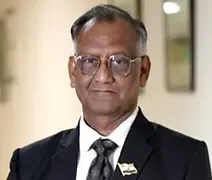
CAIT National President B.C.
Bhartia accused Gandhi of hypocrisy — urging people to shop locally while supporting protests that block market access.
CAIT announced a nationwide 'Dhikkar Diwas' (Day of Condemnation), with the date to be decided at a post-Diwali national meeting in New Delhi .
The traders' body invoked Article 19(1)(g) — the constitutional right to trade and earn a livelihood — against the right to protest.
The Congress party had not publicly responded to the letter at the time of publication.
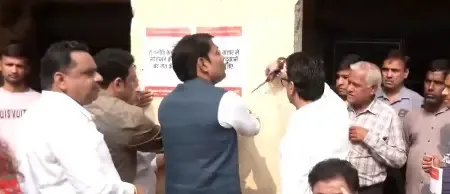
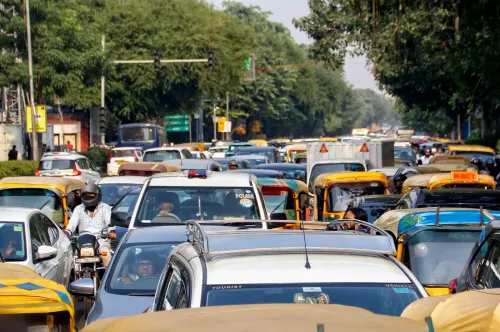
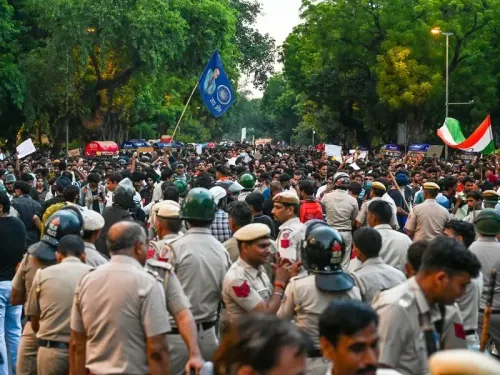
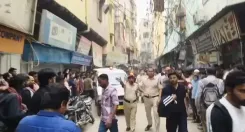
The Confederation of All India Traders (CAIT) has written a strongly worded letter to Lok Sabha Leader of Opposition Rahul Gandhi, holding him and the Indian National Congress politically and morally responsible for repeated disruptions to trade and business in New Delhi caused by political rallies, sit-ins, and protests over the past month. The letter, issued on 5 November 2026, specifically flags the Congress-organised rally on 1 November and the party's support for several other demonstrations — all of which CAIT says have inflicted severe economic losses on traders during the peak festive and wedding shopping season.
Key Demands and Allegations
CAIT National President B.C. Bhartia accused Gandhi of maintaining contradictory positions: publicly urging citizens to patronise local markets while simultaneously backing political events that physically prevent customers from reaching those very markets. 'Mr Rahul Gandhi cannot hold two contradictory positions simultaneously. On one hand, he urges people to shop in local markets, while on the other, he supports political events and demonstrations that prevent customers from reaching those very markets. This is not merely a political contradiction; it is a double standard that directly undermines the livelihoods of ordinary traders,' Bhartia stated in the letter.
Bhartia invoked Article 19(1)(g) of the Constitution — which guarantees every citizen the right to practise any profession, trade, or business — arguing that political leaders cannot 'selectively invoke constitutional provisions' to protect the right to protest while disregarding the right to earn a livelihood.
Traders Announce 'Dhikkar Diwas'
CAIT announced it will observe a 'Dhikkar Diwas' (Day of Condemnation) across the country, the exact date of which will be decided at a national meeting of business leaders in New Delhi to be convened immediately after Diwali. The traders' body said it would wait for a response from Gandhi before escalating further, but made clear that inaction would not be tolerated. 'This is no longer an issue confined solely to the traders of Delhi — if such a situation can arise in the national capital today, it could just as easily occur in any other city in the country,' CAIT said in its statement.
Accountability and Compensation Questions
The letter posed pointed questions to Gandhi and the Congress, asking who would compensate traders and working-class families for economic losses sustained during the protests, and whether the party's political framework had any mechanism for organisers of disruptive demonstrations to accept financial responsibility. 'Is there any mechanism within the Congress party's political framework where the organisers and supporters of disruptive protests accept responsibility for the economic losses caused by their actions? Or has it become acceptable to sacrifice the livelihoods of ordinary citizens for the sake of a political show of strength?' Bhartia asked.
Delhi as a National Commercial Hub
Bhartia underscored that Delhi is not merely a political arena but a critical commercial and economic engine — one whose markets form the livelihood backbone for millions of traders, shopkeepers, street vendors, and daily-wage workers. 'The nation's traders are not punching bags for anyone's political struggle. They are the backbone of the domestic economy, a key driver of job creation, and partners in nation-building,' he said. This comes amid heightened sensitivity over the festive and wedding season, traditionally the highest-revenue period of the year for retail traders across the country.
What Happens Next
CAIT said it will await Gandhi's response before its post-Diwali national meeting in Delhi, at which the date for the nationwide 'Dhikkar Diwas' will be finalised. The traders' body has framed this as a national issue, warning that disruptions of this nature could set a precedent for other cities if left unaddressed. The Congress party had not publicly responded to the letter at the time of publication.
Point of View
Which raises fair questions about whether the outrage is consistent or selective. That said, the timing, during the highest-revenue retail window of the year, lends the grievance real commercial weight, and the threat of a nationwide 'Dhikkar Diwas' gives traders a coordinated platform ahead of an election cycle.
NationPress
5 Nov 2026
Frequently Asked Questions
Why has CAIT written to Rahul Gandhi?
CAIT wrote to Rahul Gandhi to hold him and the Congress party accountable for repeated disruptions to business activity in Delhi caused by political rallies and protests over the past month. The letter argues that these demonstrations — including a Congress-organised rally on 1 November — have inflicted severe economic losses on traders during the peak festive and wedding shopping season.
What is 'Dhikkar Diwas' and when will it be held?
'Dhikkar Diwas', or Day of Condemnation, is a nationwide protest event announced by CAIT to express traders' anger over political disruptions to business. The exact date has not yet been fixed; it will be decided at a national meeting of business leaders in New Delhi, to be held immediately after Diwali.
What constitutional argument is CAIT making?
CAIT invokes Article 19(1)(g) of the Constitution, which guarantees every citizen the right to practise any profession, trade, or business. CAIT National President B.C. Bhartia argues that political leaders cannot selectively cite the right to protest under Article 19(1)(a) while ignoring traders' equal constitutional right to earn a livelihood.
Who is B.C. Bhartia and what did he say?
B.C. Bhartia is the National President of CAIT, the Confederation of All India Traders. In the letter, he accused Rahul Gandhi of a double standard — publicly promoting local shopping while backing protests that physically prevent customers from reaching local markets — and demanded to know who would compensate traders for their losses.
Has the Congress party responded to CAIT's letter?
The Congress party had not publicly responded to CAIT's letter at the time of publication. CAIT said it would await a response before its post-Diwali national meeting, after which a final course of action — including the date for 'Dhikkar Diwas' — will be announced.