Tripura exports 18 MT organic rice to Austria, Netherlands; farmers may gain 40%
Synopsis
Tripura's ethnic organic rice — four rare certified varieties — has landed its first major European export order, with Austria and the Netherlands as buyers. The 18-tonne consignment, backed by APEDA and Farmer Producer Companies, could lift farmer earnings by up to 40%, turning a state long seen as agriculturally marginal into a niche player in Europe's premium organic food market.
Key Takeaways
APEDA facilitated the export of 18 metric tonnes of NPOP-certified ethnic rice from Tripura to Austria and the Netherlands on 3 September .
Four varieties were exported: Aromatic Kali Khasa Rice , Aromatic Harinarayan Rice , Biron Rice , and Maimi Hanga Rice .
Farmer price realisation is expected to rise by up to 40 per cent through this export channel.
The consignment was aggregated by Farmer Producer Companies supported by the Tripura State Organic Farming Development Agency and exported by Pratithi Organic Foods , Sonepat.
The export follows a Reverse Buyer-Seller Meet (RBSM) organised by APEDA in Tripura last month to build international market linkages.
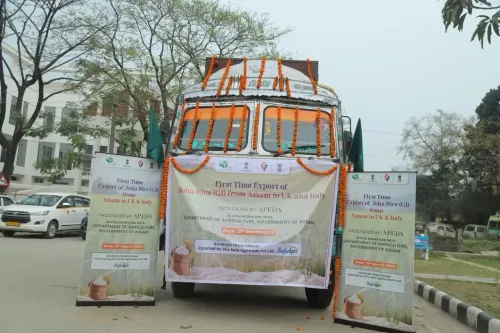
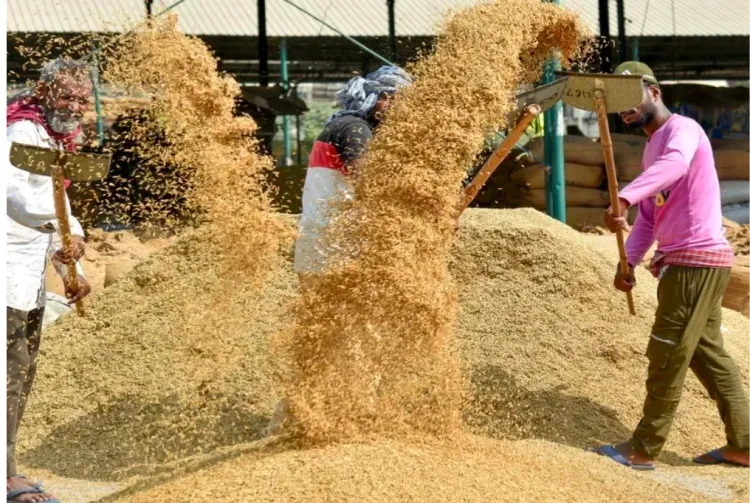
Tripura has taken a significant step in global organic trade as the Agricultural and Processed Food Products Export Development Authority (APEDA) facilitated the flag-off of an 18 metric tonne consignment of NPOP-certified ethnic rice bound for Austria and the Netherlands on 3 September. The initiative is expected to lift farmer price realisation by up to 40 per cent, according to an official statement from the Ministry of Commerce and Industry.
What Was Exported
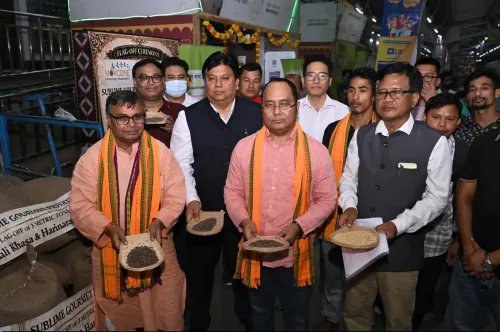
The consignment comprises four distinct varieties of certified organic rice: Aromatic Kali Khasa Rice, Aromatic Harinarayan Rice, Biron Rice (white sticky rice), and Maimi Hanga Rice (Black Rice). These varieties were aggregated from Farmer Producer Companies (FPCs) supported by the Tripura State Organic Farming Development Agency and exported by Pratithi Organic Foods, Sonepat.
How the Export Linkage Was Built
The shipment is a direct outcome of a Reverse Buyer-Seller Meet (RBSM) organised by APEDA in Tripura last month, which brought together potential international buyers and local producers to establish market access linkages. The present consignment, officials noted, demonstrates the conversion of those buyer-seller interactions into concrete international business for farmers and FPCs. This marks a broader push to integrate Tripura's agricultural ecosystem with organised, export-oriented production channels.
Why Austria and the Netherlands
The choice of destination markets is deliberate. Both Austria and the Netherlands are considered discerning import markets where quality assurance, food safety standards, certification, and traceability carry significant weight among buyers and regulators. Securing entry into these markets signals that Tripura's organic produce meets stringent European benchmarks — a credibility milestone for the state's farming sector.
What Officials Said
Ratan Lal Nath, Agriculture Minister of Tripura, said the consignment 'reflects the hard work of farmers, Farmer Producer Companies and other stakeholders.' He added that the state government remains committed to strengthening the organic farming ecosystem and supporting producers in meeting international standards.
Abhishek Dev, Chairman of APEDA, highlighted that the authority is 'helping create sustainable and organised export opportunities by connecting FPCs and farmers with international markets and strengthening certification, traceability and quality systems.' Dev confirmed that APEDA will continue working closely with the Tripura government to promote the state's unique agricultural products globally.
What This Means for Tripura Farmers
The potential 40 per cent rise in price realisation — if sustained — would represent a material income shift for smallholder farmers in a state where agricultural incomes have historically lagged behind national averages. Notably, this export push is part of a wider national effort to position India's certified organic produce in premium international markets, where demand for traceable, chemical-free food continues to grow. Whether this first consignment translates into a durable export corridor will depend on consistent quality compliance and the ability of FPCs to scale aggregation.
Point of View
Not a guaranteed floor, and the history of agricultural export schemes in India is littered with first-consignment announcements that never scaled. The real test is whether APEDA and the Tripura government can sustain the certification pipeline, aggregation volumes, and quality consistency that European buyers demand year-round. Tripura's geographic remoteness and thin cold-chain infrastructure remain structural challenges that a single RBSM cannot resolve. If the FPC model holds and traceability systems are maintained, this could become a replicable template for other northeastern states sitting on untapped organic produce — but that outcome is still far from assured.
NationPress
3 Sept 2026
Frequently Asked Questions
What organic rice varieties did Tripura export to Europe?
Tripura exported four NPOP-certified ethnic rice varieties: Aromatic Kali Khasa Rice, Aromatic Harinarayan Rice, Biron Rice (white sticky rice), and Maimi Hanga Rice (Black Rice). The 18-metric-tonne consignment was shipped to Austria and the Netherlands on 3 September.
How much can Tripura farmers earn more through this export?
Farmer price realisation is expected to rise by up to 40 per cent through this organic rice export initiative, according to an official statement from the Ministry of Commerce and Industry. The actual gain will depend on sustained export volumes and market access.
What is APEDA's role in the Tripura rice export?
APEDA facilitated the flag-off of the consignment and organised the Reverse Buyer-Seller Meet in Tripura last month that created the buyer linkages leading to this export. APEDA Chairman Abhishek Dev said the authority will continue supporting certification, traceability, and quality systems for Tripura's agricultural exports.
Who produced and exported the organic rice from Tripura?
The rice was aggregated from Farmer Producer Companies supported by the Tripura State Organic Farming Development Agency and exported by Pratithi Organic Foods, based in Sonepat.
Why are Austria and the Netherlands significant export destinations for this rice?
Both Austria and the Netherlands are considered high-standard import markets where food safety certification, quality, and traceability are critical requirements. Successfully exporting to these markets validates that Tripura's organic produce meets rigorous European standards.