Janmashtami 2024: TV actors Harithi Joshi, Ankita Bahuguna, Neha Solanki share festive memories
Synopsis
Three Indian television actors — Harithi Joshi, Ankita Bahuguna, and Neha Solanki — share the Janmashtami rituals that shaped their childhoods: temple jhankis, grandmother's coconut barfi, and the magic of breaking a midnight fast with fresh Makhan Mishri. Personal, warm, and rooted in devotion.
Key Takeaways
Harithi Joshi (Tara in Divya Prem ) celebrates Janmashtami by dressing up as Radha or Krishna and listening to bhajans with family.
Ankita Bahuguna (Anupriya in Thodi Si Umeed Thoda Sa Aasaman ) recalls fasting until midnight as a child and her dadi's homemade coconut barfi and panjiri .
Neha Solanki , set to lead the upcoming show Raajnanndini , treasures the memory of her mother's Makhan Mishri prepared fresh at midnight.
All three actors highlight family rituals — temple visits, jhula decoration, and communal fasting — as the emotional core of the festival.
Television actors Harithi Joshi, Ankita Bahuguna, and Neha Solanki have opened up about their most cherished Janmashtami memories, from midnight fasts and temple visits to the irresistible pull of homemade sweets passed down through generations. With the festival approaching, the three stars offered a warm, personal glimpse into how the celebration of Lord Krishna's birth comes alive in their families.
Harithi Joshi: Dressing Up as Radha and Krishna
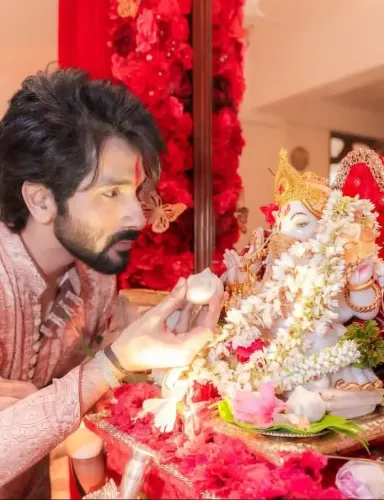
Harithi Joshi, currently seen as Tara in the show Divya Prem: Pyaar Aur Rahasya Ki Kahani, described Janmashtami as a deeply spiritual and joyful family affair. 'We decorate the house, pray together, and enjoy delicious festive food. My favourite part of Janmashtami is dressing up as Radha or Krishna. I also love listening to Krishna bhajans. The whole atmosphere feels so happy and positive,' she said. Joshi added that her family makes it a point every year to offer prayers and decorate the Krishna idol with care.
Ankita Bahuguna: Dadi's Coconut Barfi and the Jhankis
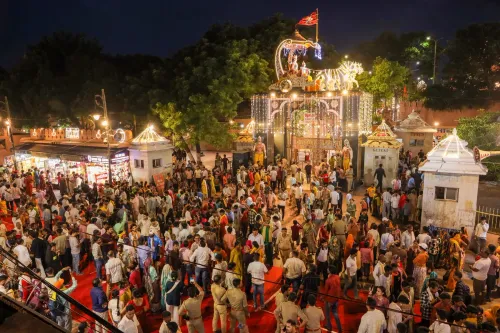
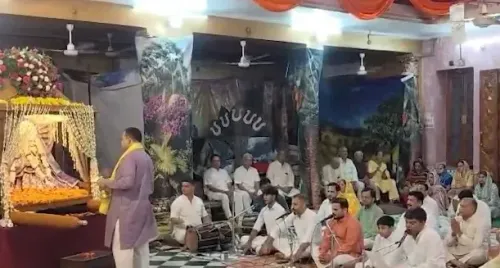
Ankita Bahuguna, known for her role as Anupriya in Thodi Si Umeed Thoda Sa Aasaman, recalled fasting through the night as a child and visiting multiple temples to witness elaborately staged jhankis depicting the life of Lord Krishna. 'We would fast until midnight and then break our fast with falahaar. One tradition I remember very fondly is my dadi making coconut barfi and panjiri. I used to wait for Janmashtami just for those sweets, and that memory is still very close to my heart,' she said. She described the temple experience as almost otherworldly: 'With all the costumes and makeup, it felt like Krishna and Radha ji were actually in front of us.'
Neha Solanki: Makhan Mishri at Midnight
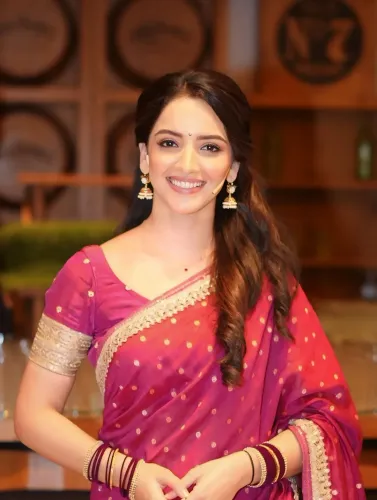
Neha Solanki, who is set to headline the upcoming show Raajnanndini, said the festival carried a sense of magic rooted in family ritual. 'Janmashtami was always magical for me. I fondly remember decorating the jhula for Little Krishna, preparing sweets, and eagerly waiting for midnight,' she recalled. The highlight for Solanki was her mother's freshly prepared Makhan Mishri. 'At midnight, after celebrating Krishna's birth and gently swinging him in the jhula, we would break our fast. My brother and I would be especially excited to eat the Makhan Mishri. It always tasted extra special and delicious that night,' she said.
What the Celebrations Reveal
Across all three accounts, the common thread is the centrality of family, food, and devotion — the midnight fast broken together, the grandmother's recipe, the jhula decorated with care. For these actors, Janmashtami is less a public spectacle and more an intimate, recurring ritual that anchors them to home regardless of how far their careers take them. As the festival draws near, their memories serve as a reminder of how deeply personal India's most exuberant celebrations can be.
Point of View
But what makes these accounts stand out is their specificity — a grandmother's coconut barfi recipe, the exact moment of breaking a midnight fast, the sensory detail of a decorated jhula. Indian television's festive coverage often skews toward spectacle; these quieter, domestic recollections offer something rarer: authenticity. For a platform like NationPress, stories that connect popular faces to universal family experiences tend to outperform generic celebrity quotes on Google Discover, precisely because the emotional granularity gives readers something to recognise in themselves.
NationPress
18 Oct 2026
Frequently Asked Questions
Which TV actors shared their Janmashtami memories?
Harithi Joshi, Ankita Bahuguna, and Neha Solanki shared their personal Janmashtami memories, speaking about family traditions, festive foods, and childhood rituals associated with the festival.
What is Harithi Joshi's favourite Janmashtami tradition?
Harithi Joshi said her favourite part of Janmashtami is dressing up as Radha or Krishna and listening to Krishna bhajans with her family, while also decorating the Krishna idol and offering prayers together.
What sweet does Ankita Bahuguna remember most from Janmashtami?
Ankita Bahuguna fondly recalls her dadi making coconut barfi and panjiri during Janmashtami. She said she used to wait for the festival specifically for those homemade sweets, a memory she described as still very close to her heart.
What is Neha Solanki's upcoming show?
Neha Solanki is set to lead the upcoming television show Raajnanndini. She spoke about her Janmashtami memories in the context of the festive season, recalling her mother's freshly made Makhan Mishri as a childhood highlight.
What is the significance of the midnight fast on Janmashtami?
Devotees fast throughout the day on Janmashtami and break their fast at midnight, which marks the believed birth hour of Lord Krishna. Ankita Bahuguna and Neha Solanki both recalled this midnight ritual as a central part of their childhood celebrations.