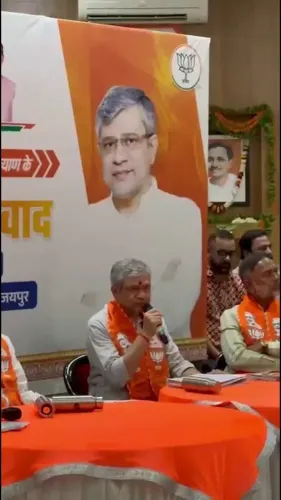
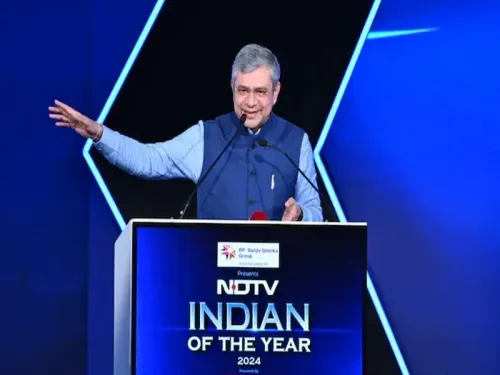
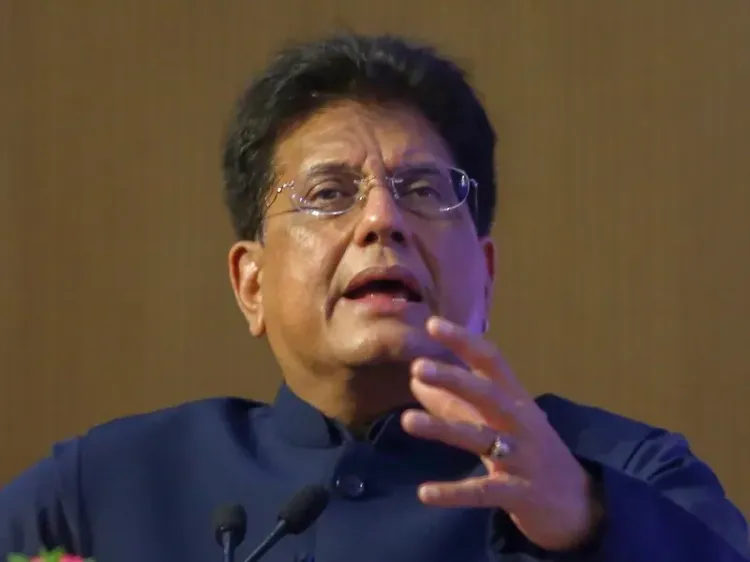
Union Ministers Piyush Goyal, Ashwini Vaishnaw join Substack for direct policy outreach
Synopsis
Two senior Union Ministers — Piyush Goyal and Ashwini Vaishnaw — have turned to Substack to publish long-form policy commentary, from India-Japan trade diplomacy to semiconductor strategy. It is a quiet but telling shift: India's Cabinet is no longer content with press releases and tweets to make its case to an increasingly policy-literate public.
Key Takeaways
Commerce Minister Piyush Goyal published a Substack post titled 'Four Days, Three Cities, and a Partnership Coming of Age' reflecting on his official visit to Japan .
IT Minister Ashwini Vaishnaw had earlier launched a Substack newsletter; his latest post covers India's semiconductor ecosystem — chip design, manufacturing, and supply chain.
Vaishnaw's newsletter has attracted hundreds of subscribers , indicating strong interest in direct ministerial commentary.
The platform allows ministers to publish detailed, long-form perspectives outside official government communication channels.
The trend signals a broader shift in Indian policymaker engagement strategy, targeting citizens, industry, and investors with substantive content.
Union Ministers are increasingly bypassing conventional government communication channels, turning to the independent publishing platform Substack to engage directly with citizens, industry leaders, and policy stakeholders through long-form writing. The shift reflects a deliberate effort to explain government thinking in greater depth than press releases or social media posts typically allow.
Goyal's Japan Visit Dispatch
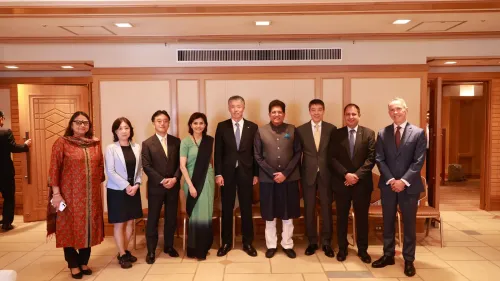
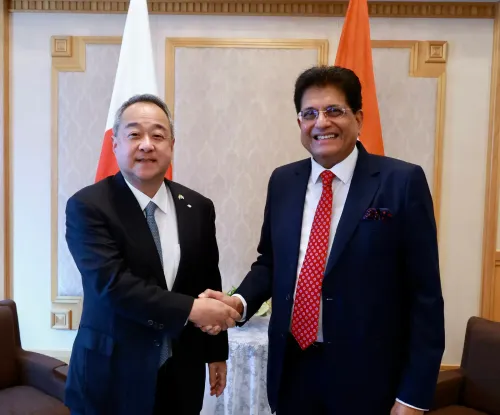
Commerce and Industry Minister Piyush Goyal is among the latest to embrace the trend, publishing a Substack post reflecting on his recent official visit to Japan. Titled 'Four Days, Three Cities, and a Partnership Coming of Age', the piece outlines his assessment of the visit and his vision for the road ahead in the India-Japan bilateral relationship.
Goyal also shared the update on X, writing: 'Four Days, Three Cities, and a Partnership Coming of Age. I have shared on Substack some reflections on my highly productive visit to Japan and the road ahead for the India-Japan partnership.'
The post comes at a moment when India and Japan are actively seeking to deepen economic and strategic ties, with trade, investment, technology, manufacturing, and supply-chain resilience identified as priority areas of engagement.
Vaishnaw's Semiconductor Focus
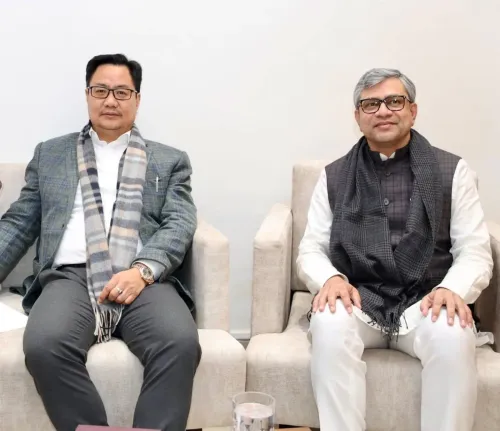
Union Minister for Electronics and Information Technology Ashwini Vaishnaw had earlier launched his own Substack newsletter, writing on government policies, technology, and India's economic and industrial development. His latest post, titled 'How we are building India's semiconductor ecosystem', details the government's efforts to establish a domestic semiconductor industry spanning chip design, manufacturing, and the broader supply chain.
The government's semiconductor push covers capabilities across fabrication, assembly, testing, and packaging, alongside investments in supporting infrastructure and a skilled talent pipeline. Vaishnaw's newsletter has reportedly already attracted hundreds of subscribers, signalling growing public appetite for direct commentary from policymakers on technology and industrial policy.
Why Substack, Why Now
The platform gives ministers a self-controlled publishing outlet that is structurally distinct from both official press releases and the brevity-constrained environment of social media. Long-form newsletters allow for contextual explanation — the kind that is difficult to convey in a government statement or a post on X.
Notably, this is not an isolated move. The adoption by two senior Cabinet ministers within a short window suggests a coordinated — or at minimum, a converging — recognition within the government that policy communication needs to evolve. As India advances on complex fronts such as semiconductors, bilateral trade frameworks, and industrial policy, the demand for substantive public explanation is growing.
Broader Implications for Policy Communication
The emergence of Substack as a ministerial communication tool signals a wider shift in how Indian policymakers are choosing to engage with informed publics — including investors, industry bodies, diaspora communities, and domestic professionals who follow policy closely. Whether this translates into genuine two-way engagement or remains a one-way broadcast channel will be the key question as more ministers potentially follow suit.
Point of View
Unmediated by journalists or editors, is a meaningful shift in the information architecture of Indian governance. The risk is that without accountability mechanisms, long-form ministerial newsletters become sophisticated press releases: detailed, but still one-directional. The real test is whether this format invites scrutiny or insulates ministers from it. India's policy communication has long suffered from a gap between announcement and explanation; Substack could close that gap, or simply widen the production values of spin.
NationPress
28 Aug 2026
Frequently Asked Questions
Which Union Ministers have joined Substack?
Commerce and Industry Minister Piyush Goyal and Electronics and IT Minister Ashwini Vaishnaw have both launched Substack newsletters. Goyal's recent post reflects on his Japan visit, while Vaishnaw has written about India's semiconductor ecosystem.
What did Piyush Goyal write about on Substack?
Goyal published a post titled 'Four Days, Three Cities, and a Partnership Coming of Age', sharing his reflections on a recent official visit to Japan and his outlook for the India-Japan bilateral partnership, covering trade, investment, and supply-chain cooperation.
What is Ashwini Vaishnaw's Substack newsletter about?
Vaishnaw's newsletter focuses on government policies, technology, and India's industrial development. His latest post details the government's efforts to build a domestic semiconductor ecosystem, covering chip design, fabrication, assembly, testing, and packaging.
Why are ministers using Substack instead of traditional channels?
Substack allows ministers to publish detailed, long-form commentary directly to readers without the constraints of press releases or social media character limits. It enables more conversational and contextual explanation of complex policy areas such as semiconductors and bilateral trade.
What does this trend signal about Indian government communication?
The adoption of Substack by senior Cabinet ministers suggests a broader strategic shift toward direct, substantive public engagement — particularly targeting policy-aware audiences such as investors, industry professionals, and diaspora communities who follow Indian economic and technology policy closely.