Pitroda warns parties: Don't hijack Gen Z protest movement
Synopsis
Sam Pitroda's message cuts against the grain of opposition strategy: don't grab the youth movement, even if it hands you a political opening. With India's Gen Z raising alarms over broken schools, rigged exams, and joblessness, Pitroda is arguing that the moment political parties claim ownership, the movement loses the very credibility that gives it force.
Key Takeaways
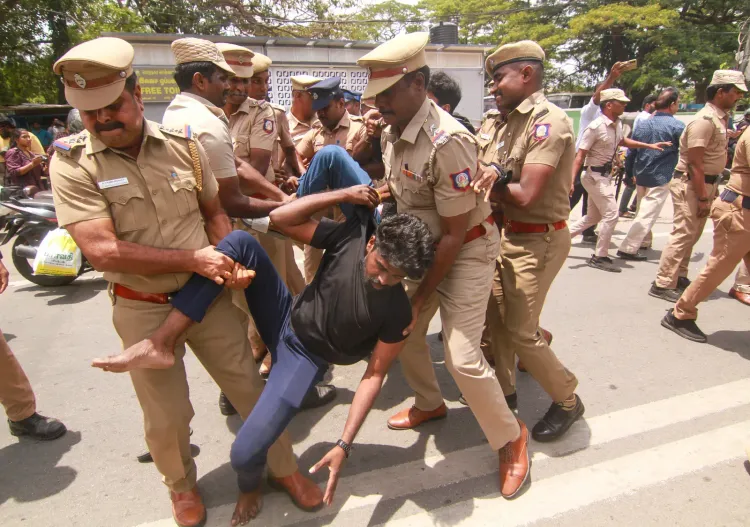
Sam Pitroda on 28 August warned all political parties against hijacking India's youth-led protest movement over schools, examinations, and unemployment.
Pitroda said the Congress should act as a 'catalyst' but must not attempt to capture or politicise the campaign.
Young protesters are demanding fixed schools, reliable examinations, on-time teachers, functional healthcare centres, and employment opportunities.
Pitroda defended protesters who used strong language, saying it reflects the depth of their frustration and should not overshadow their legitimate grievances.
He also called on local communities and parents to share responsibility for improving school conditions rather than placing the entire burden on the government.
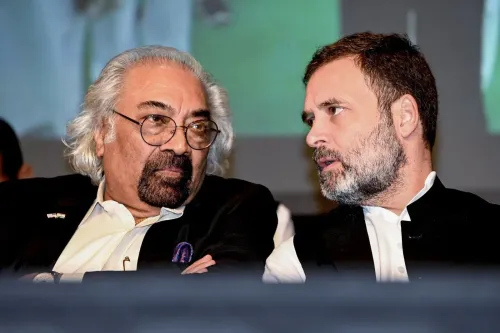
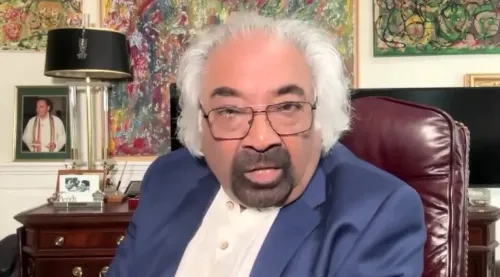
Senior Congress leader Sam Pitroda on 28 August called on all political parties to refrain from appropriating the growing youth-led campaign over failing public schools, examination irregularities, and unemployment, insisting that young Indians must be allowed to lead their own movement without political interference.
Pitroda's Core Warning
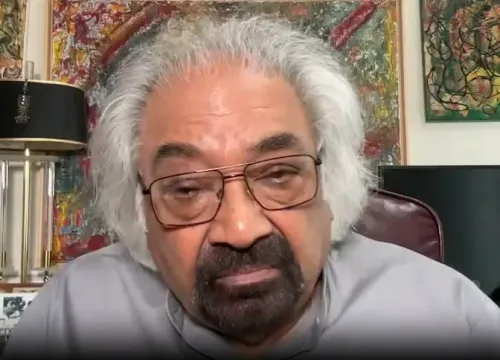
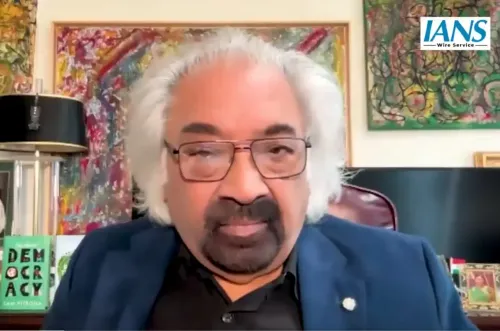
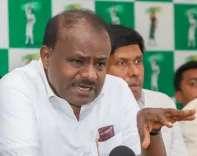
Speaking in an interview from New York, Pitroda said the Congress could play a supporting role but should not attempt to capture the movement for electoral gain. 'Love them, care for them, support them, let them do their thing. Don’t politicize it,' he said. He added that even within his own political circles, he would resist any move to co-opt the campaign: 'I’m saying any political party whom I am close to, if they had said, “Oh, we want to capture this,” I would have said, no. Don’t do that. That’s not in the interest of the young people.'
Why Congress Stayed Back
Asked why the Congress had not taken the lead in channelling youth anger, Pitroda argued that political intervention would have damaged the movement's credibility. 'Because the idea was not to really polarize. Idea was to let them do what they think is right to do. By your interfering in there, you would have destroyed their initiative,' he said. He described the Congress's preferred posture as catalytic rather than directive: 'We could be a catalyst, but not take advantage of that.'
What Young Protesters Are Demanding
Pitroda framed the campaign as fundamentally about basic public services, not partisan politics. 'They are saying solve my problem. Fix my school. It’s leaking. Fix my garden. Fix my bathroom. Paint my school. Make sure my teacher comes on time. Hire teachers. Make sure my primary healthcare centre works,' he said. He added that protesters also want reliable examinations and meaningful employment pathways: 'Make sure my exams are properly conducted and make sure I have opportunities to build my life.' Notably, Pitroda also defended the use of strong language by some protesters, saying it reflected the depth of their frustration rather than a disqualifying breach of conduct. 'Some kids really were really mad and used four letter words and all kinds of foul language. To me, it’s okay. I’m not mad at them. It shows their anger,' he said.
Shared Responsibility: Communities and Parents
Pitroda argued that the responsibility for school conditions does not rest with the government alone. He called on local communities and parents to step in where the state has fallen short. 'Why can’t local community say that we will go and fix our children’s school? What does it take? Not much,' he said. He suggested that the youth movement had succeeded in bringing into focus a collective failure that parents, communities, and governments had all contributed to by neglecting educational infrastructure.
Broader Context
India has one of the world's largest youth populations, making education quality, competitive examination integrity, and employment generation perennially high-stakes political issues. Student-led protests have periodically erupted over examination paper leaks, recruitment delays, fee hikes, and deteriorating conditions in publicly funded institutions. The Congress, as the principal national opposition party and leader of the Opposition in the Lok Sabha, has consistently raised unemployment, examination irregularities, and education costs as political concerns. The Union government, in turn, has pointed to economic growth figures, skills development programmes, infrastructure investment, and recruitment drives. How political parties navigate the current youth wave — without being seen to exploit it — will likely shape their standing with a demographic that is increasingly impatient with institutional failure.
Point of View
Unemployment, crumbling schools — that now fuel this movement. Calling for restraint after laying the political groundwork is a fine line to walk. The deeper question is whether India's opposition parties have the discipline to support a youth movement without consuming it, especially with state elections on the horizon. History suggests that when political parties 'support' organic movements, the movements tend to lose their edge — and their trust.
NationPress
28 Aug 2026
Frequently Asked Questions
What did Sam Pitroda say about the Gen Z protest movement in India?
Sam Pitroda said political parties must not hijack or politicise the youth-led campaign over failing schools, examination irregularities, and unemployment. He argued that young Indians should be allowed to lead their own movement, with parties playing a supportive role at most.
Why did Pitroda say the Congress did not take the lead in the youth protests?
Pitroda said direct political intervention would have polarised and undermined the movement's credibility. He argued that by staying back, the Congress avoided 'destroying their initiative' and preserved the campaign's organic character.
What are India's youth protesters demanding, according to Pitroda?
According to Pitroda, young protesters are demanding fixed and properly maintained schools, teachers who attend classes on time, reliable and fairly conducted examinations, functioning primary healthcare centres, and real employment opportunities.
Why did Pitroda defend protesters who used abusive language?
Pitroda said the use of strong language by some young protesters reflects the intensity of their frustration over neglected public services and limited opportunities. He argued this should not distract from the legitimacy of their underlying grievances.
Who does Pitroda hold responsible for the state of public schools?
Pitroda said responsibility is shared — not solely the government's. He called on local communities and parents to take initiative in repairing and improving their children's schools, arguing that the youth movement has exposed a collective failure across all stakeholders.