Nepal flood alert: Bhote Koshi debris flow rises after Tibet lake outburst
Synopsis
Nepal's flood crisis is not over. A Tibet lake outburst has sent fresh debris-laden water surging down the Bhote Koshi River, prompting a second emergency alert just two days after a flood killed 469 people and left 977 — including 517 foreign nationals — unaccounted for. With the upstream lake still not fully drained, the Bhote Koshi–Trishuli–Narayani river chain faces the threat of a second, potentially wider surge.
Key Takeaways
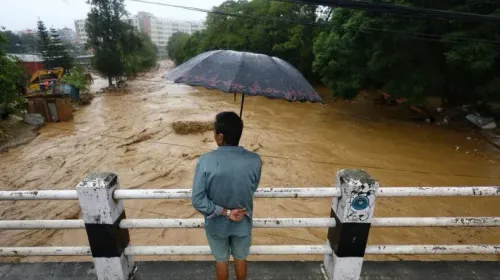
Nepal's NDRRMA issued a fresh flood warning on 28 August after debris-laden water flows rose again on the Bhote Koshi River in Rasuwa .
A lake outburst in the Tibetan region of China is the reported trigger for the renewed surge risk.
The 26 August flood has killed at least 469 people , with 977 still out of contact — including 517 foreign nationals .
The upstream lake at the blocked river site has not yet fully drained , according to Nepal's Water Resources Research and Development Centre.
The risk zone now extends across the Bhote Koshi, Trishuli and Narayani river systems.
Rescue personnel and civilians in high-risk areas have been urged to immediately relocate if danger is observed.
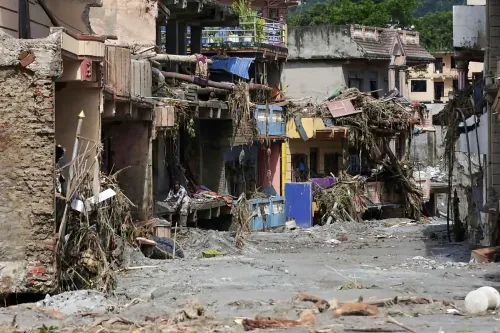
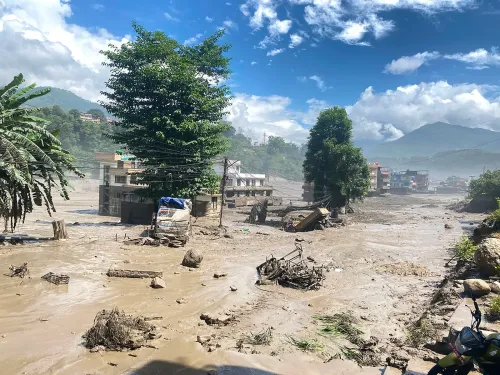
Nepal's National Disaster Risk Reduction and Management Authority (NDRRMA) on Friday, 28 August issued a fresh flood warning for the Bhote Koshi and Trishuli river corridors, citing a reported lake outburst in the Tibetan region of China that has caused debris-laden water flows to surge again. The alert comes as Nepal continues to grapple with the aftermath of a catastrophic flood on 26 August that killed at least 469 people, with 977 others still out of contact.
What the Authorities Said
The NDRRMA stated in a notice that 'the flow of water mixed with debris and mud has increased again on Friday in the same area of the Bhote Koshi River in Rasuwa, where a major flood occurred on August 26.' It strongly urged all rescue and relief personnel deployed along the river banks, as well as civilians in high-risk zones, to immediately move to safe locations at the first sign of danger.
Nepal Police separately confirmed receipt of the lake outburst report from the Tibetan region and issued its own advisory urging the public and rescue teams to remain on high alert.
The Tibet Lake Outburst Factor
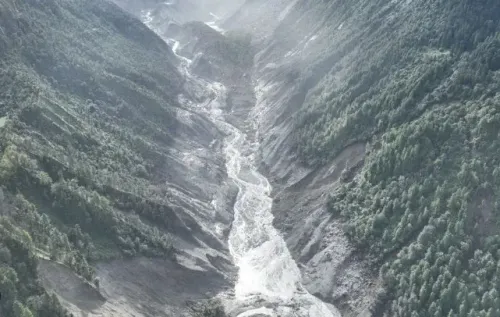
The Water Resources Research and Development Centre under Nepal's Ministry of Energy, Water Resources and Irrigation — citing information received from the Chinese side — warned on Thursday night that the lake formed at the blocked river site in the Upper Bhote Koshi had not yet fully drained. 'The possibility of an additional surge in water flow in the Upper Bhote Koshi area cannot be completely ruled out at this time,' it said, adding that 'continuous monitoring of the Bhote Koshi–Trishuli river system is therefore necessary.'
The centre further noted that conditions in the Bhote Koshi, Trishuli and Narayani river systems had not yet returned to normal, meaning the downstream risk remained active across a wide geographic stretch.
Scale of the Ongoing Disaster
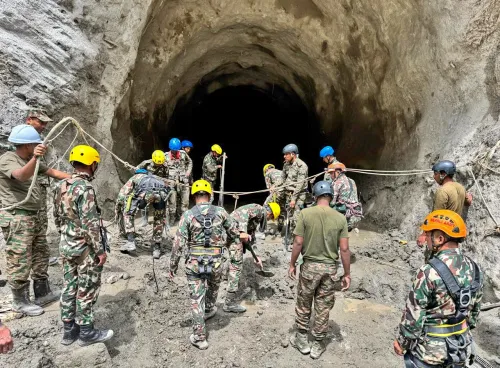
The 26 August flood is among the deadliest single flood events in Nepal in recent years. Of the 977 people still out of contact, 517 are foreign nationals, according to the NDRRMA — a figure that has drawn international attention and complicated search-and-rescue coordination. Authorities have kept security personnel on standby along the Bhote Koshi and Trishuli river banks as the threat of a secondary surge persists.
What Comes Next
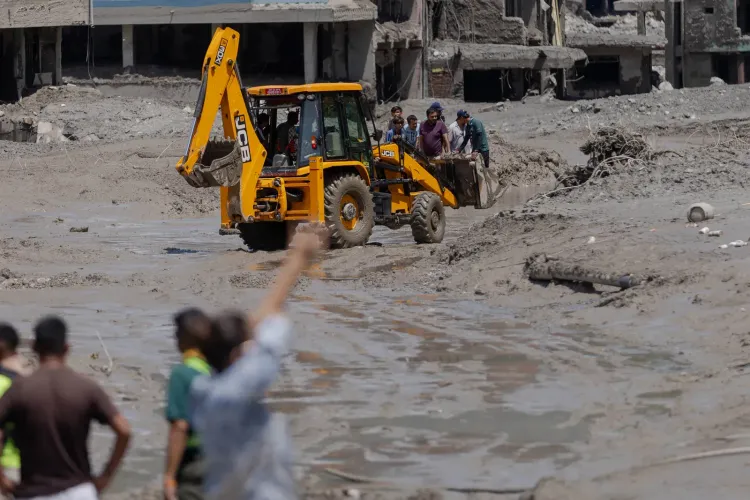
Rescue operations remain active but are being conducted under heightened caution given the real-time risk of another debris flow. Authorities are monitoring upstream conditions in coordination with information from the Chinese side, though the lake has not yet fully drained. The Bhote Koshi–Trishuli–Narayani river chain means that any fresh outburst could affect communities well beyond the initial impact zone in Rasuwa, pushing the humanitarian situation into a second, potentially more complex phase.
Point of View
More dangerous phase — one where the upstream trigger is outside its jurisdiction. The lake outburst in Tibet underscores a structural vulnerability: Nepal's major river systems originate in China, yet real-time data-sharing between the two countries remains limited and informal. The 977 missing — over half of them foreign nationals — signals a disaster that has outpaced local response capacity. What mainstream coverage risks missing is the downstream compounding effect: the Bhote Koshi feeds the Trishuli, which feeds the Narayani, meaning a secondary surge could devastate communities far removed from the original impact zone in Rasuwa. The humanitarian and diplomatic dimensions of this event deserve equal attention.
NationPress
12 Oct 2026
Frequently Asked Questions
Why has Nepal issued a fresh flood alert on 28 August?
Nepal's NDRRMA issued a fresh flood warning on 28 August after receiving reports of a lake outburst in the Tibetan region of China, which has caused debris-laden water flows to rise again in the Bhote Koshi River in Rasuwa. The upstream lake at the blocked site has not yet fully drained, keeping the risk of another surge active.
How many people were killed in the Nepal flood on 26 August?
At least 469 people were killed in the catastrophic flood on 26 August, according to the NDRRMA. An additional 977 people remain out of contact, of whom 517 are foreign nationals.
Which rivers are at risk from the potential secondary flood?
The Bhote Koshi, Trishuli, and Narayani river systems are all considered at risk. Because these rivers are interconnected, a fresh surge in the Upper Bhote Koshi area could have cascading effects on communities further downstream.
What role did a Tibet lake outburst play in the Nepal flooding?
A lake formed at a site where the Bhote Koshi River was blocked in the Tibetan region of China has been identified as the upstream trigger. Nepal's Water Resources Research and Development Centre, citing information from the Chinese side, confirmed the lake had not yet fully drained as of Thursday night, making an additional water surge possible.
What are authorities advising people to do?
The NDRRMA and Nepal Police have urged all rescue and relief personnel along the Bhote Koshi and Trishuli river banks, as well as civilians in high-risk areas, to remain on the highest alert and immediately move to a safe location if any sign of danger is observed.