India's 100 GW nuclear target by 2047: 9 reactors under construction, 7.5 GW in pipeline
Synopsis
India has nine nuclear reactors under construction and a 100 GW target by 2047 — but the real story is structural: the SHANTI Act, 2025 opens the sector to private players for the first time, while fleet-mode PHWR approvals signal a shift from one-off builds to industrial-scale nuclear manufacturing. Whether private capital follows policy intent will define whether this target is a milestone or a missed opportunity.
Key Takeaways
India operates 24 nuclear reactors with 8.78 GW of installed capacity as of 28 August 2025 .
Nine reactor units with a combined 7.5 GW capacity are currently under construction.
The government targets 100 GW of nuclear capacity by 2047 , India's centenary year.
The Nuclear Energy Mission (2025–26) and SHANTI Act, 2025 are the primary policy levers, including private sector entry.
10 indigenous PHWRs approved in fleet mode; pre-project work begun on two 500 MW Fast Breeder Reactors .
India is among few nations with vitrification technology for high-level radioactive waste management.
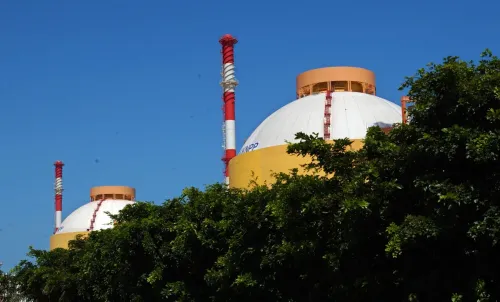
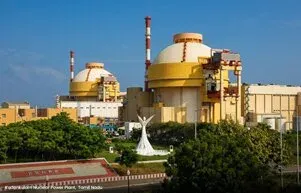
India currently operates 24 nuclear power reactors with a total installed capacity of 8.78 gigawatts (GW), and has nine reactor units with a combined capacity of 7.5 GW under active construction, according to an official factsheet released on Friday, 28 August. The country is on a structured path toward achieving 100 GW of nuclear power capacity by 2047, a target that has now been backed by a wave of policy and legislative action.
Key Policy Drivers
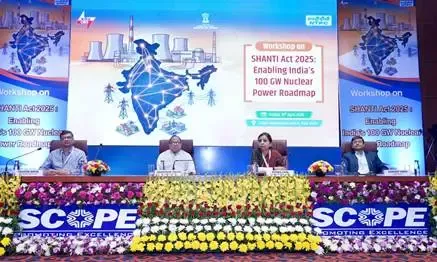
Two landmark initiatives are accelerating India's nuclear expansion: the Nuclear Energy Mission (2025–26) and the SHANTI Act, 2025. Together, they are designed to scale capacity, deepen domestic manufacturing, foster innovation, and — critically — open the sector to greater private sector participation, a significant structural shift for an industry that has historically been state-dominated.
The government has also approved 10 indigenous Pressurised Heavy Water Reactors (PHWRs) to be built in fleet mode, a batch-production approach intended to reduce costs and construction timelines. Pre-project activities are additionally under way for two 500 MW Fast Breeder Reactors (FBRs), which form a cornerstone of India's longer-term fuel strategy.
The Three-Stage Nuclear Programme
India's nuclear roadmap is anchored in its indigenously designed three-stage nuclear power programme, which charts a gradual transition from uranium-based fuel cycles to thorium-based fuel cycles. This strategy was originally conceived to circumvent historical fuel embargoes and to leverage India's vast thorium reserves — among the largest in the world.
Notably, India is among a handful of countries that possess vitrification technology for high-level radioactive waste, a process that converts such waste into a stable glass form for safer long-term storage, transport, and eventual disposal. This capability underscores the depth of India's indigenous nuclear fuel cycle development, which spans reactor design, fuel fabrication, and waste management.
Why Nuclear, Why Now
The official statement positioned nuclear energy as central to India's long-term energy security, citing growing demand for clean, reliable, and stable baseload electricity. Unlike solar and wind, nuclear provides round-the-clock, low-carbon generation, making it a natural complement to intermittent renewables while ensuring grid stability.
This comes amid India's broader climate commitments and a strategic imperative to reduce dependence on imported fossil fuels. The 100 GW nuclear target by 2047 — coinciding with the centenary of Indian independence — is framed as both an energy security milestone and a clean energy declaration.
What This Means for India's Energy Mix
With 8.78 GW currently operational and 7.5 GW under construction, India's near-term nuclear capacity could approach 16 GW once ongoing projects are commissioned. Reaching 100 GW by 2047 would require a sustained, multi-decade build-out at a pace India has not previously achieved in the nuclear sector. The fleet-mode approval for PHWRs and private sector entry are seen as the key mechanisms to bridge that gap.
Industry observers will watch whether the SHANTI Act's private participation framework translates into actual investment commitments in the near term, as that will be the earliest indicator of whether the 100 GW ambition is on track.
Point of View
A pace no democracy has sustained in nuclear construction. The SHANTI Act's private sector opening is the most consequential policy shift since the 2008 Indo-US civil nuclear deal, but private capital will not follow unless liability frameworks and fuel supply guarantees are credible. Fleet-mode PHWR construction is the right industrial logic, yet India's past reactor timelines have routinely overrun. The 2047 framing is politically resonant, but the real accountability test is the 2030 pipeline — how much of the 7.5 GW under construction is commissioned on schedule will tell us whether this is a genuine energy transition or another headline target.
NationPress
12 Oct 2026
Frequently Asked Questions
How many nuclear reactors does India currently have?
India operates 24 nuclear power reactors with a total installed capacity of 8.78 GW , according to an official factsheet released on 28 August. An additional nine reactor units with a combined 7.5 GW capacity are under construction.
What is India's nuclear power target for 2047?
India aims to achieve 100 GW of nuclear power capacity by 2047 , coinciding with the centenary of its independence. The target is supported by the Nuclear Energy Mission (2025–26) and the SHANTI Act, 2025.
What is the SHANTI Act, 2025?
The SHANTI Act, 2025 is a legislative framework that, among other measures, enables greater private sector participation in India's nuclear energy sector. It works alongside the Nuclear Energy Mission to accelerate capacity expansion and domestic manufacturing.
What are Fast Breeder Reactors and why does India need them?
Fast Breeder Reactors (FBRs) are advanced reactors that generate more fissile material than they consume, making them central to India's three-stage nuclear programme. They bridge the transition from uranium to India's abundant thorium reserves , with pre-project activities now under way for two 500 MW FBRs .
Why is India investing heavily in nuclear energy now?
India is scaling nuclear power to meet growing demand for clean, stable baseload electricity that complements intermittent renewables, reduces fossil fuel imports, and supports its climate commitments. Nuclear provides round-the-clock, low-carbon generation — a profile that solar and wind alone cannot match.