India targets 5 small nuclear reactors by 2033, 100 GW capacity by 2047
Synopsis
India has set a concrete 2033 deadline for five indigenous small modular reactors — including a hydrogen-producing design — while a new law opens the nuclear sector to private capital for the first time. With current capacity at just 8.78 GW against a 100 GW target by 2047, the SMR programme is the linchpin of one of the most ambitious energy transitions any democracy has attempted.
Key Takeaways
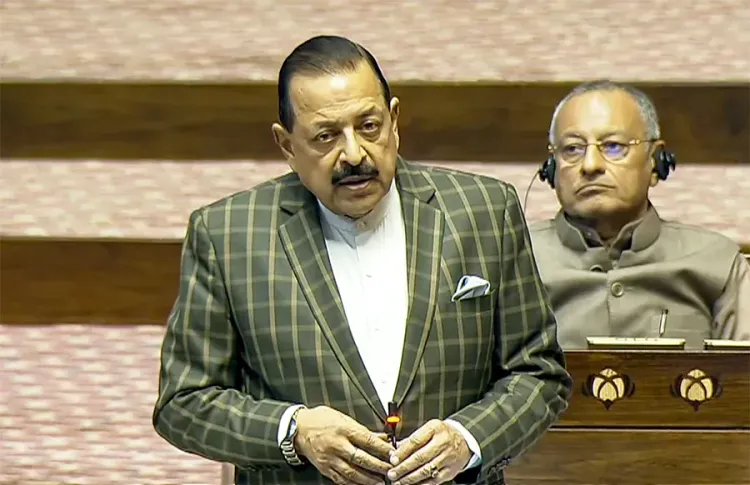
India aims to operationalise at least 5 indigenous small modular reactors (SMRs) by 2033 , as stated by Minister Dr Jitendra Singh in the Lok Sabha on 22 July .
BARC is developing three reactor types: the 220 MW BSMR-200 , the 55 MW SMR-55 , and a 5 MWth HTGCR for hydrogen production.
Both the BSMR-200 and SMR-55 will be built at Tarapur, Maharashtra ; the HTGCR site is BARC, Visakhapatnam .
India's nuclear capacity is currently 8.78 GW , targeted to reach 22 GW by 2031-32 and 100 GW by 2047 .
The SHANTI Act, 2025 opens nuclear energy to private sector participation for the first time.
Of the 100 GW target, 46 GW is expected from private players, state governments, and joint ventures.
India plans to bring at least five indigenous small modular nuclear reactors (SMRs) into operation by 2033, Minister of State for the Department of Atomic Energy Dr Jitendra Singh informed the Lok Sabha on 22 July. The push is part of a broader national roadmap to achieve 100 GWe of nuclear power generation capacity by 2047, as outlined under the country's Nuclear Energy Mission.
Reactors Under Development
The Bhabha Atomic Research Centre (BARC) is developing three distinct reactor designs to meet this target. These include the 220-megawatt Bharat Small Modular Reactor (BSMR-200), a 55-MW Pressurised Water Reactor (SMR-55), and a high-temperature gas-cooled reactor (HTGCR) of up to 5 MWth, designed specifically as a nuclear heat source for hydrogen production through thermochemical cycles such as the copper-chlorine cycle.
The Atomic Energy Commission has approved Tarapur, Maharashtra as the site for both the BSMR-200 and the SMR-55. In-principle approvals for engineering and construction of all three reactor types have been received. The proposed site for the HTGCR is BARC, Visakhapatnam. Administrative and financial sanction for the BSMR-200 has been cleared by the Atomic Energy Commission, and the Empowered Technology Group has also granted its approval.
The 100 GW Roadmap
India's current nuclear power capacity stands at 8.78 GW. According to the government's phased roadmap, this is expected to grow to approximately 22 GW by 2031-32 through the progressive completion of projects already at various stages of implementation.
A further 32 GW is planned to be added beyond 2032 by the Nuclear Power Corporation of India Limited (NPCIL), comprising indigenous Pressurised Heavy Water Reactors (PHWRs) and Light Water Reactors (LWRs), bringing total capacity to roughly 54 GW by 2047. The remaining 46 GW is envisaged to come from other public sector enterprises, state governments, private players, and joint ventures operating across different reactor technologies and business models.
SHANTI Act Opens Sector to Private Players
Parliament has enacted the SHANTI Act, 2025, specifically focused on the Nuclear Energy Mission, to provide the legislative framework for achieving the 100 GW target by 2047. Crucially, the Act opens the nuclear energy sector to private participation for the first time — a significant structural shift in India's historically state-dominated atomic energy landscape.
This comes amid growing global interest in SMRs as a scalable, lower-cost alternative to conventional large nuclear plants. Notably, India's push to indigenise reactor design positions BARC as a central technology driver rather than a buyer of foreign reactor blueprints.
What Comes Next
With approvals secured and sites designated, the pace of engineering and construction activity at Tarapur and Visakhapatnam will be closely watched as the first real test of India's SMR ambitions. Analysts and industry observers will track whether private sector participation under the SHANTI Act translates into tangible investment commitments in the near term.
Point of View
And how quickly private players commit will determine whether the 46 GW private-sector slice of the 100 GW target is ambition or arithmetic. The hydrogen-producing HTGCR is also worth watching beyond the power-generation headline — it positions India in the emerging nuclear-hydrogen nexus that could matter far more by 2047 than reactor megawatts alone.
NationPress
21 Oct 2026
Frequently Asked Questions
What are India's small modular nuclear reactors (SMRs) and when will they be ready?
India is developing three indigenous SMR designs through BARC: the 220 MW BSMR-200, the 55 MW SMR-55, and a 5 MWth high-temperature gas-cooled reactor for hydrogen production. The government aims to have at least five such reactors operational by 2033.
Where will India's small modular reactors be built?
The Atomic Energy Commission has approved Tarapur, Maharashtra as the site for both the BSMR-200 and the SMR-55. The HTGCR, designed for hydrogen production, is proposed to be built at BARC's facility in Visakhapatnam.
What is India's 100 GW nuclear power target and how will it be achieved?
India aims to reach 100 GWe of nuclear power capacity by 2047 under its Nuclear Energy Mission. Current capacity is 8.78 GW, expected to grow to 22 GW by 2031-32 through ongoing projects, with NPCIL adding another 32 GW by 2047 and the remaining 46 GW coming from private players, state governments, and joint ventures.
What is the SHANTI Act, 2025 and why does it matter?
The SHANTI Act, 2025 is a parliamentary legislation enacted to support India's Nuclear Energy Mission and its 100 GW target by 2047. Its most significant provision is opening the nuclear energy sector to private participation, breaking from India's historically state-controlled atomic energy model.
What is the HTGCR reactor being developed by BARC?
The High-Temperature Gas-Cooled Reactor (HTGCR), rated up to 5 MWth, is being designed by BARC not primarily for electricity generation but as a nuclear heat source for hydrogen production via thermochemical cycles, including the copper-chlorine cycle. Its proposed site is BARC, Visakhapatnam.