Pralhad Joshi Hails SHANTI Bill, 100 GW Nuclear Goal by 2047

Synopsis
On Independence Day 2026, Union Minister Pralhad Joshi highlighted the SHANTI Bill's passage in Parliament, India's 100 GW nuclear power target by 2047, five new reactors planned this decade, and a landmark fast breeder reactor milestone advancing fuel-cycle self-reliance.
Key Takeaways
Union Minister Pralhad Joshi posted on August 15, 2026 — Independence Day — framing nuclear energy as central to India's energy security.
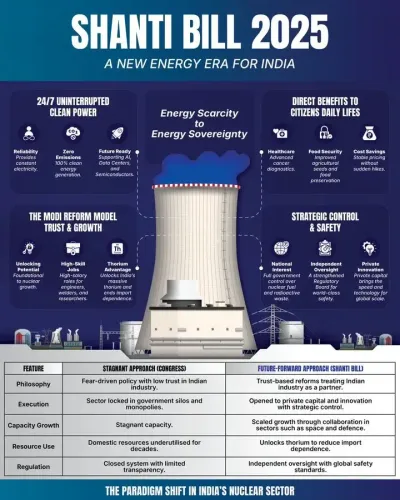
The SHANTI Bill has been passed by Parliament, providing a legislative basis for nuclear expansion.
India has set a target of 100 GW of nuclear power capacity by 2047 , with five new reactors planned this decade.
India has achieved a 'major milestone' in fast breeder nuclear technology , advancing fuel-cycle self-reliance.
The Prototype Fast Breeder Reactor (PFBR) at Kalpakkam is the cornerstone of India's three-stage nuclear programme, originally conceived by Homi Bhabha in the 1950s.
The 2008 Indo-US Civil Nuclear Agreement previously opened international fuel and technology access for India's civilian nuclear sector.
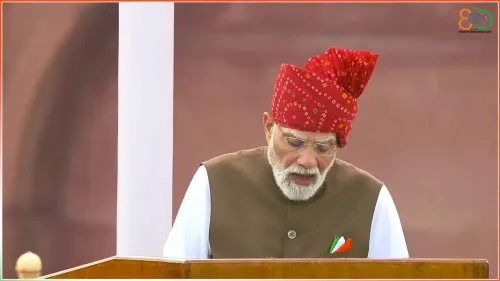
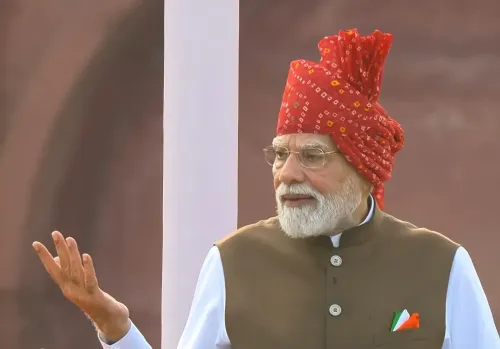
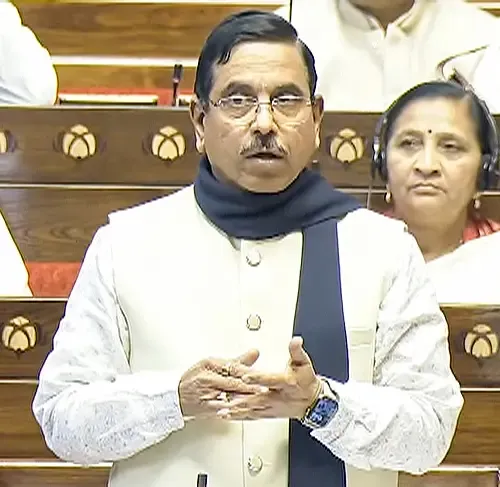
On Independence Day, August 15, 2026, Union Minister Pralhad Joshi declared nuclear energy central to India's long-term energy security, citing the passage of the SHANTI Bill in Parliament and a national target of 100 GW of nuclear power capacity by 2047 — a milestone framed as inseparable from PM Narendra Modi's vision of a self-reliant India.
SHANTI Bill and the 100 GW Ambition
The minister credited the SHANTI Bill — passed by Parliament — as the legislative foundation for India's nuclear expansion, with five new nuclear reactors planned this decade. The 100 GW target by 2047, the centenary of independence, positions nuclear power not as a fringe supplement to the grid but as a structural pillar of India's clean energy architecture. Joshi wrote, in Kannada: 'ಸಂಸತ್ತಿನಲ್ಲಿ ಶಾಂತಿ ಮಸೂದೆ ಅಂಗೀಕಾರಗೊಳ್ಳುವುದರೊಂದಿಗೆ' — 'with the passage of the SHANTI Bill in Parliament' — India is now moving toward a new goal.
Fast Breeder Milestone and the Fuel-Cycle Bet
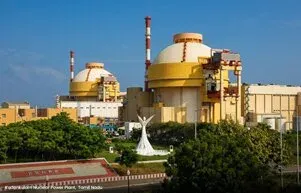
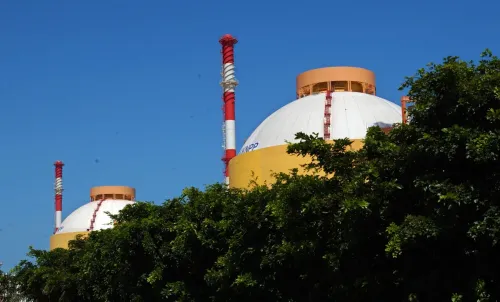
Joshi also highlighted India achieving 'a major milestone' in fast breeder nuclear technology, a reference widely understood to relate to the Prototype Fast Breeder Reactor (PFBR) at Kalpakkam, Tamil Nadu — India's first sodium-cooled fast breeder reactor and the centrepiece of the country's three-stage nuclear programme. That programme, conceived by physicist Homi Bhabha in the 1950s, was designed precisely to eventually tap India's vast thorium reserves and close the nuclear fuel cycle, reducing dependence on imported uranium. Fast breeder reactors breed more fissile material than they consume, making fuel-cycle self-reliance a realistic long-run prospect rather than a theoretical aspiration.
From Bhabha's Blueprint to Atmanirbhar Bharat
The strategic logic runs deep. India's 2008 Indo-US Civil Nuclear Agreement unlocked international fuel supplies and technology access for the civilian sector, but the indigenous fast breeder programme remained the hedge — the path to true autonomy. Under the Atmanirbhar Bharat framework, successive governments have kept indigenous reactor development and reprocessing capabilities as non-negotiable priorities. Joshi's Independence Day post frames the current moment as the convergence of that decades-long strategy with legislative and technological delivery.
A country that once struggled for reactor fuel after the 1974 Pokhran test triggered international sanctions is now legislating a 100 GW nuclear future. The arc is unmistakable — and the PFBR milestone, if confirmed, would be the most consequential step along it.
Point of View
Technological milestone, and long-horizon national ambition — timed to land on the most symbolically loaded day in the Indian calendar. The SHANTI Bill, if it delivers on its framing, marks a generational shift in how India legally structures nuclear expansion, moving beyond the incremental pace of the past. The fast breeder milestone is the more consequential signal: it means India's three-stage programme — Bhabha's original bet on thorium — is no longer purely theoretical. Taken together, the post stakes the BJP government's energy legacy on a nuclear future that is both indigenously rooted and globally scaled.
NationPress
29 Sept 2026
Frequently Asked Questions
What is the SHANTI Bill passed in India's Parliament?
The SHANTI Bill is legislation passed by the Indian Parliament aimed at enabling India's nuclear energy expansion, providing a legal framework for new reactor projects and the country's goal of 100 GW of nuclear power capacity by 2047.
What is India's nuclear power target for 2047?
India has set a target of 100 GW of nuclear power capacity by 2047 , the centenary of independence, with five new nuclear reactors planned for commissioning this decade.
What is the Prototype Fast Breeder Reactor and why does it matter?
The Prototype Fast Breeder Reactor (PFBR) at Kalpakkam, Tamil Nadu is India's first sodium-cooled fast breeder reactor and the key to the country's three-stage nuclear programme. It breeds more fissile material than it consumes, enabling eventual fuel-cycle self-reliance using India's vast thorium reserves.
What is India's three-stage nuclear programme?
India's three-stage nuclear programme was outlined by physicist Homi Bhabha in the 1950s . It progresses from pressurised heavy water reactors to fast breeder reactors and finally to thorium-based reactors, with the long-term goal of achieving energy independence using India's domestic thorium reserves.
How did the 2008 Indo-US Civil Nuclear Agreement affect India?
The 2008 Indo-US Civil Nuclear Agreement ended India's nuclear isolation by enabling greater international technology access and fuel supply for its civilian nuclear sector, complementing the indigenous fast breeder programme.