Are Urgent Reforms Essential to Elevate the Scrap Industry Amidst Export Restrictions?
Synopsis
In light of potential export restrictions from OECD countries, industry leaders convened by PHDCCI stress the urgent need for reforms in the scrap sector. Recognizing scrap as a strategic commodity is crucial for India's economic independence and sustainability.
Key Takeaways
Scrap should be treated as a strategic commodity.
Five key challenges need addressing for industry growth.
Recycling significantly reduces environmental impact.
Domestic scrap development is crucial amidst potential export restrictions.
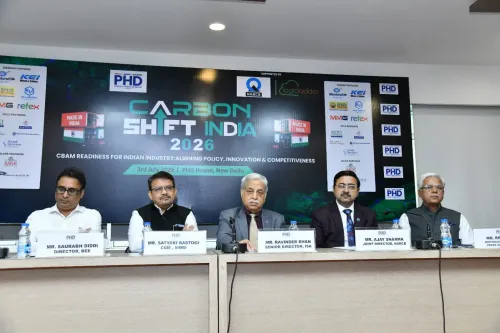
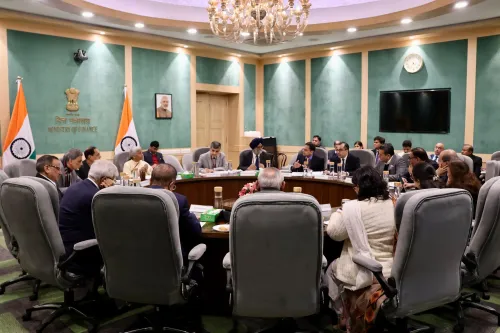
Mumbai, Feb 21 (NationPress) The PHD Chamber of Commerce and Industry (PHDCCI), in collaboration with Metal X, convened a conclave where industry leaders emphasized the need for scrap to be recognized as a strategic commodity, particularly as OECD nations are contemplating export restrictions that could heighten dependence on imports.
Vijay Sharma, Chair of the Minerals & Metal Committee at PHDCCI and Director at Jindal, advocated for the formalization of ecosystems through scrap processing clusters, the integration of informal collectors into structured value chains, the establishment of technology-led digital infrastructure, and financing solutions aligned with ESG and green finance guidelines.
Sharma stated that scrap management has evolved beyond a mere risk management issue, now embodying a strategic approach focused on competitiveness, sustainability, and resilience in supply chains, as highlighted in a release by the industry body.
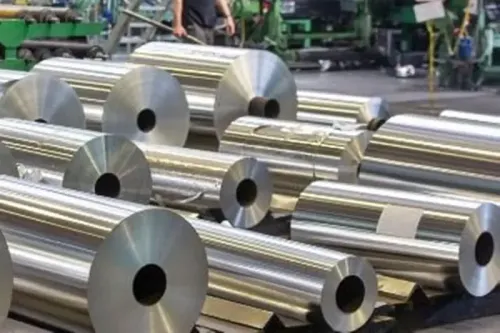
He pointed out that recycling one ton of steel conserves 1.1 tons of iron ore and 630 kg of coking coal, while reducing emissions by 28%, making scrap vital for India’s economic advancement.
Sharma identified five critical challenges that require attention for enhanced scalability: fragmentation and informality, quality and standardization, price volatility, technology and capital gaps, and a trust deficit.
Alok Sahay, Secretary General and Executive Head of the Indian Steel Association, remarked that scrap presents a viable short-term solution for decarbonization. With India's carbon intensity at 2.55 tonnes of CO₂ per tonne of steel, he noted that it serves as an effective mechanism for reducing costs, especially as India continues investing in blast furnace production to meet its growth aspirations.
He provided a global perspective, indicating that out of the 2 billion tonnes of steel produced annually worldwide, only 600 million tonnes are derived from scrap. He also noted that alternatives based on hydrogen remain costly and that high-grade DRI iron ore is limited in India.
Currently, India’s scrap-based production stands at 22%, compared to 70% in the United States. He raised concerns about India’s 8 million tonne scrap import dependency, which faces increasing risks due to OECD countries considering export restrictions, making the development of domestic scrap resources a urgent supply chain priority.
aar/pk
Point of View
Highlighting the importance of treating scrap as a strategic commodity. As the global landscape shifts, it’s crucial for India to bolster its domestic scrap capabilities to mitigate reliance on imports.
NationPress
1 Oct 2026
Frequently Asked Questions
Why is scrap considered a strategic commodity?
Scrap is deemed a strategic commodity because it can significantly reduce reliance on imports, promote sustainability, and lower carbon emissions, making it essential for India's industrial growth.
What challenges does the scrap industry face?
The scrap industry faces challenges such as fragmentation, quality standardization, price volatility, technological gaps, and trust deficits among stakeholders.
How does recycling scrap benefit the environment?
Recycling one ton of steel from scrap conserves significant natural resources and reduces emissions by 28%, contributing to environmental sustainability.