Is India Addressing E-Waste Through Organized Recycling and Recovery of Rare Materials?
Synopsis
As India grapples with its position as a leading electronic waste producer, innovative recycling initiatives are emerging. This article delves into the country's commitment to structured e-waste management and rare materials recovery, highlighting significant projects that could redefine sustainability in electronics.
Key Takeaways
India is a leading producer of e-waste.
Organized recycling is gaining traction.
Recovery of rare materials is becoming economically viable.
Significant projects like Eco-Parks are underway.
Awareness and regulations are driving change.
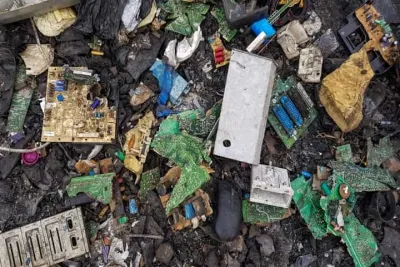
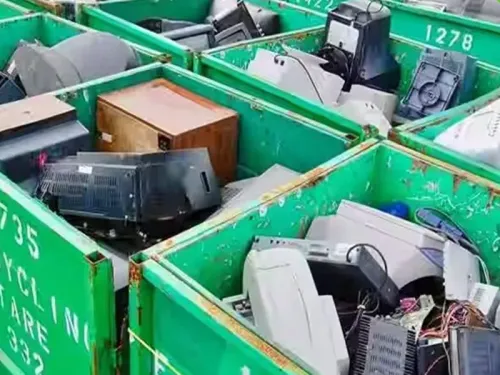
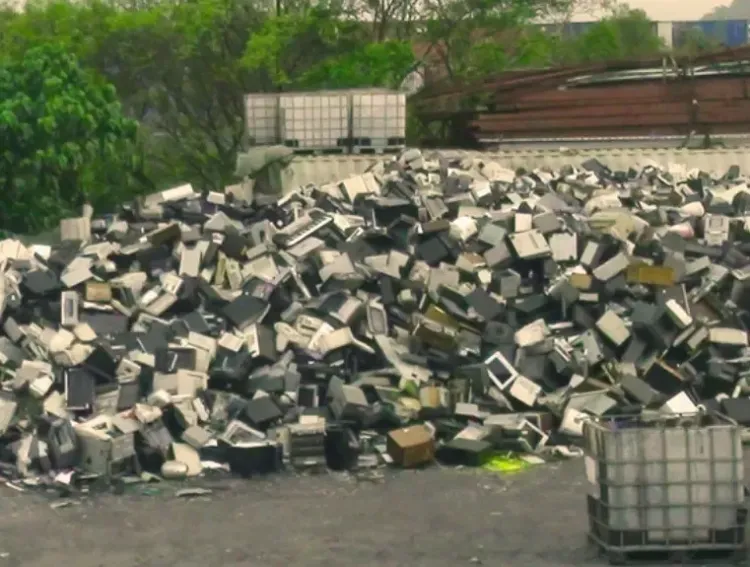
New Delhi, Dec 5 (NationPress) Despite being one of the leading producers of electronic waste globally, attributed to the surge in digitisation and an expanding electronics sector, India is confronting the sustainability dilemma through structured recycling and the extraction of valuable and rare materials, as reported by a media outlet.
The transition from informal dumping sites to organised recycling, circular-economy initiatives, and the retrieval of precious materials is underway in India, according to GeoPolitico, a news site based in Greece.
These efforts are enhancing “the collaboration between innovation, environmental stewardship, and economic prospects.”
A significant five-year initiative initiated in October aims to promote practices of the circular economy across the nation.
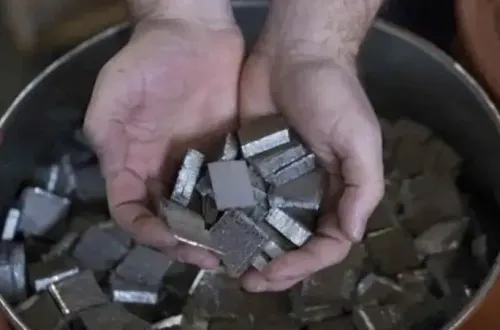
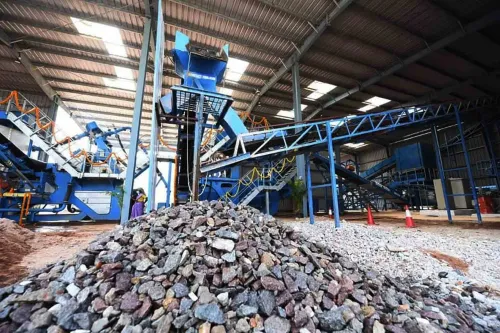
This project ensures that discarded electronic devices are transformed from mere hazardous waste into sources of essential raw materials — including gold, silver, copper, lithium, and more.
It is paving the way for a sustainable industry where rare materials are “recovered and reintegrated into supply chains, thus minimizing reliance on new mining operations.”
Data from a prominent compliance agency indicates that national e-waste recovery increased from 61.94% in FY 2023-24 to 70.71% in FY 2024-25.
This trend signifies that formal and systematic recycling is overtaking informal dismantling, as highlighted in the report.
This change has been bolstered by digital innovations, stricter regulations, and an increase in both corporate and consumer awareness.
Simultaneously, “India is also witnessing advancements in the recycling, reuse, and upcycling of plastics and packaging — indicating that the circular-economy mindset is extending beyond electronics into various sectors,” the report added.
Alongside innovative businesses and startups focused on the circular economy, the infrastructure for formal recycling is rapidly expanding.
This includes the Delhi government’s announcement of plans to construct its first significant e-waste Eco-Park — a 10.5-acre facility aimed at managing substantial quantities of discarded electronics through a public-private partnership.
Moreover, a biomedical and electronics waste facility in Visakhapatnam’s MedTech Zone, located in Andhra Pradesh, has commenced operations under a zero-waste approach.
“By 2030 and beyond, if the current momentum persists, India could not only solidify its position as one of the world’s largest electronics consumers but also set a global standard in the production and recycling of circular electronics,” the report concluded.
Point of View
I emphasize that India's organized approach to e-waste recycling not only addresses environmental concerns but also presents economic opportunities. The synergy of innovation and sustainability could indeed position India as a leader in circular electronics.
NationPress
27 Sept 2026
Frequently Asked Questions
What steps is India taking to manage e-waste?
India is shifting towards organized recycling and recovery of precious materials through initiatives like the five-year circular economy project.
What impact does e-waste recycling have on the economy?
E-waste recycling creates economic opportunities by recovering rare materials and reintegrating them into supply chains.
How is India improving its e-waste recovery rates?
Enhanced digital tools, stricter regulations, and increased awareness have contributed to the rise in e-waste recovery rates.
What is the significance of the e-waste Eco-Park in Delhi?
The Eco-Park will manage large volumes of discarded electronics and promote sustainable practices through a public-private partnership.
What future prospects do experts predict for India in recycling?
Experts suggest that if the current trends continue, India could set a global benchmark in circular electronics production and recycling by 2030.