Solid Waste Management Rules, 2026 to Launch on April 1: Kirti Vardhan Singh
Synopsis
The upcoming Solid Waste Management Rules, 2026, set to take effect on April 1, aim to revolutionize waste management in India by promoting sustainability through defined waste segregation and responsibilities for waste producers. This initiative is crucial for enhancing environmental protection and efficiency in waste handling.
Key Takeaways
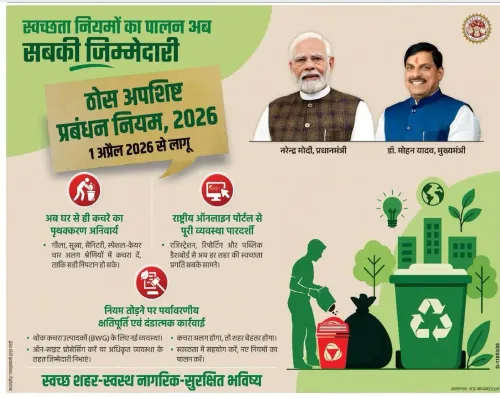
Implementation date: April 1, 2026 Four-stream segregation: Wet, dry, sanitary, and special care waste Online tracking: All stages of waste management will be monitored Environmental accountability: 'Polluter pays' principle enforced Special provisions: For hilly areas and islands
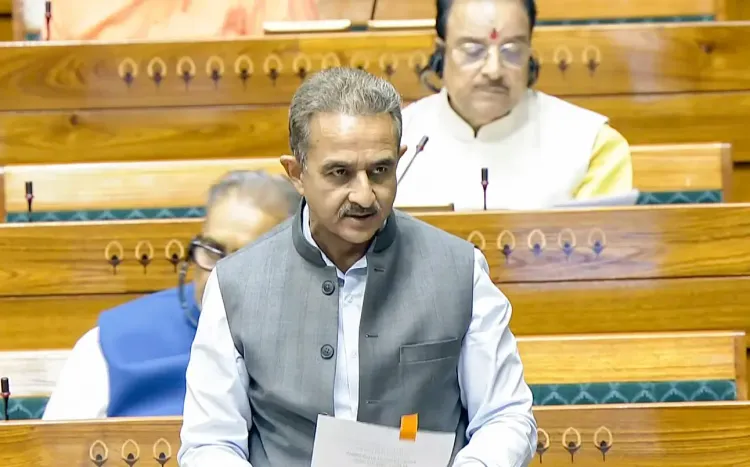
New Delhi, March 30 (NationPress) - The Solid Waste Management Rules, 2026 are set to be implemented starting April 1, emphasizing a shift towards a circular economy and extended producer responsibility. This announcement was made to the Lok Sabha on Monday.
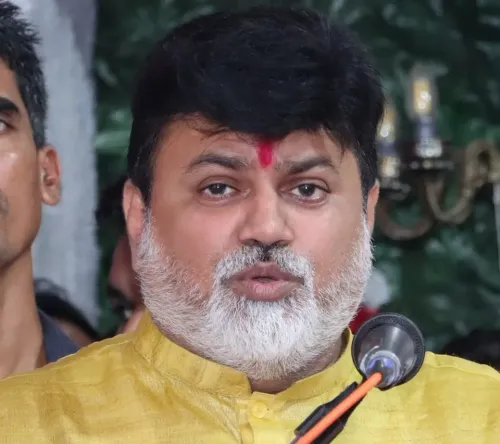
The Union Minister of State for Environment, Forest and Climate Change, Kirti Vardhan Singh, highlighted that these new regulations will require a four-stream segregation of solid waste at its source, categorizing it into wet waste, dry waste, sanitary waste, and special care waste.
These rules also provide a clear definition of bulk waste generators, who will be held accountable under the Extended Bulk Waste Generator Responsibility. This is aimed at ensuring that the waste produced is collected, transported, and processed in a manner that is environmentally sustainable.
Additionally, the regulations will facilitate the online tracking and monitoring of all phases of solid waste management via a Centralised Online Portal, covering aspects such as collection, transportation, processing, and disposal, as stated by Kirti Vardhan Singh.
Specific responsibilities will be assigned to urban and rural local bodies, State/UT Governments, and Central ministries under these new guidelines.
The regulations aim to increase the fuel substitution rate from the current 5% to 15% over six years for industrial operations, including cement factories and waste-to-energy plants utilizing Refuse Derived Fuel (RDF).
To expedite the allocation of land for solid waste processing and disposal sites, the rules will implement a graded approach for development.
Online submission of reports will be mandatory for waste processing facilities, which will also undergo audits as per the new regulations.
The guidelines also call for the creation and enforcement of a time-bound action plan to address legacy waste and strengthen regulations against landfilling.
Moreover, special provisions for managing solid waste in hilly regions and islands have been established, alongside a framework for imposing environmental compensation based on the ‘polluter pays’ principle.
Point of View
The introduction of the Solid Waste Management Rules, 2026, signifies a vital step towards enhancing environmental sustainability in India. The emphasis on strict waste segregation and online monitoring reflects a commitment to progressive waste management practices that can greatly reduce pollution and improve public health.
NationPress
30 Sept 2026
Frequently Asked Questions
What are the main objectives of the Solid Waste Management Rules, 2026?
The main objectives include promoting efficient waste segregation, ensuring environmental sustainability, and defining responsibilities for waste producers.
What changes are mandated under the new rules?
The rules require four-stream segregation of waste and the implementation of online tracking for all stages of waste management.
How will the rules affect bulk waste generators?
Bulk waste generators will have defined responsibilities to ensure their waste is processed in an environmentally sound manner.
What is the significance of the 'polluter pays' principle?
This principle holds polluters financially accountable for the waste they produce, promoting responsible waste management practices.
Are there special provisions for challenging terrains?
Yes, the rules include specific provisions for solid waste management in hilly areas and islands.