Can India Harness 18,000 MW from Agricultural Residues?
Synopsis
India is on the brink of revolutionizing its agricultural sector by converting waste into power. With the ability to generate over 18,000 MW from agricultural residues, this initiative promises not only energy but also nutrient-rich fertilizers, paving the way for sustainability and climate resilience.
Key Takeaways
India can generate over 18,000 MW from agricultural residues.
The government supports sustainability with Rs 3,926 crore funding.
Over 42,000 Custom Hiring Centres have been established.
Conversion to organic fertilizers enhances soil health .
GOBARdhan initiative promotes clean energy .
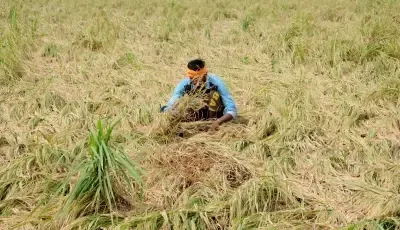
New Delhi, Feb 17 (NationPress) India's transition towards a circular economy in agriculture aims to transform waste into wealth. The nation produces approximately 350 million tonnes of agricultural residues annually, which could potentially generate over 18,000 MW of power each year, as stated in an official announcement on Tuesday.
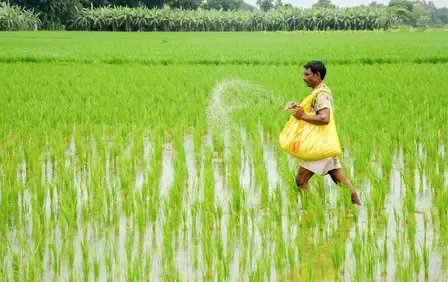
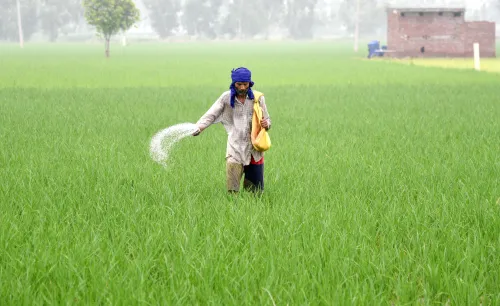
Beyond energy generation, these agricultural byproducts can also be utilized to create organic fertilizers rich in nutrients. These fertilizers are critical for improving soil health and minimizing reliance on chemical inputs in farming.
Through the Crop Residue Management Initiatives, the government has allocated Rs 3,926 crore in support from 2018-19 to 2025-26. Additionally, more than 42,000 Custom Hiring Centres have been established, with 3.24 lakh machines deployed to encourage sustainable management of agricultural residues, according to the statement.
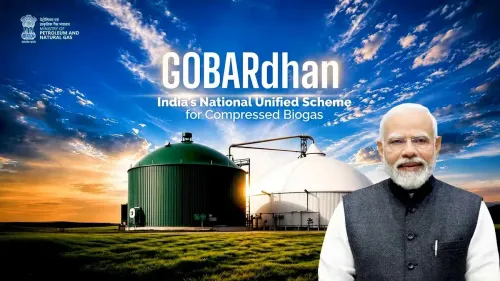
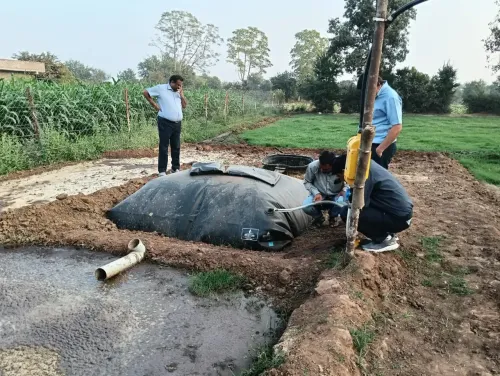
Prominent initiatives like GOBARdhan are showing results, with 979 biogas plants now functioning across 51.4% of districts (as of January 14, 2026), transforming dung, crop residues, and food waste into clean energy and organic manure.
On a global scale, an estimated 1.3 billion tonnes of food intended for human consumption is wasted each year, while nearly one-third of biodegradable municipal solid waste comes from household kitchens. Poor management of organic waste, including food scraps, agricultural residues, and other biodegradable waste, leads to decomposition in landfills, releasing methane and other greenhouse gases. This contributes to air and groundwater pollution, produces unpleasant odors, and exacerbates environmental degradation, thereby worsening the effects of climate change. Thus, effective land use, resource management, and sustainable waste solutions have emerged as both environmental priorities and economic imperatives.
The significance of adopting a 'waste-to-wealth' philosophy lies in redefining waste as a valuable asset rather than a burden. This approach necessitates a reevaluation of material flows in the economy, focusing on recovery, reuse, and value reintegration. The circular economy has proven to be the most holistic and scalable strategy for boosting resource efficiency throughout the entire lifecycle of products and processes.
By implementing effective interventions, reinforcing local institutions, and aligning economic incentives with ecological benefits, circular agriculture can significantly contribute to long-term food security, climate resilience, and inclusive rural development, establishing agricultural waste as a fundamental element of sustainable prosperity.
Point of View
I see India's pursuit of a circular economy in agriculture as a significant step towards sustainable development. The potential to generate 18,000 MW from agricultural waste not only addresses energy challenges but also enhances soil health and supports rural prosperity. It's crucial that we embrace such initiatives for a resilient future.
NationPress
9 Oct 2026
Frequently Asked Questions
What is the potential power generation from agricultural residues in India?
India has the potential to generate over 18,000 MW of power annually from its 350 million tonnes of agricultural residues.
How does the government support crop residue management?
The government has allocated Rs 3,926 crore for crop residue management initiatives and has established over 42,000 Custom Hiring Centres to promote sustainable practices.
What are the benefits of converting agricultural residues into fertilizers?
Converting agricultural residues into organic fertilizers enhances soil health and reduces the need for chemical inputs in farming.
What is the GOBARdhan initiative?
GOBARdhan is a flagship initiative that has led to the establishment of 979 biogas plants, converting waste into clean energy and organic manure.
Why is managing organic waste important?
Proper management of organic waste helps to prevent methane emissions, reduces pollution, and mitigates the impacts of climate change.