Will Uncertainty Over US Monetary Policy Continue?
Synopsis
The trajectory of US monetary policy remains uncertain, impacting global markets. As the Fed maintains rates, South Korea's economic stability is under scrutiny. What could this mean for investors and the global economy? Discover insights from the Bank of Korea's Deputy Governor and the implications for the Korean won amidst ongoing geopolitical risks.
Key Takeaways
The U.S. monetary policy remains uncertain, impacting global markets.
The Fed's decision to hold interest rates affects the Korean won.
The Bank of Korea maintains a cautious approach amid geopolitical risks.
Experts warn of potential foreign capital outflows due to interest rate disparities.
The won trades below significant thresholds, reflecting economic pressures.
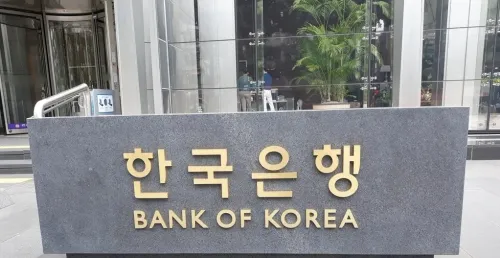
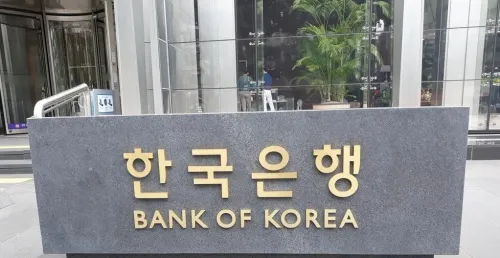
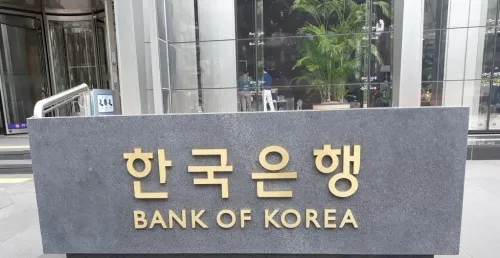
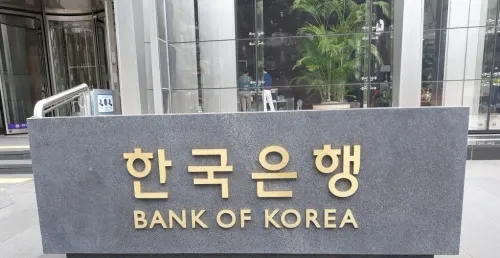
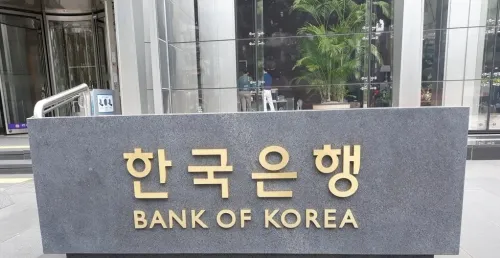
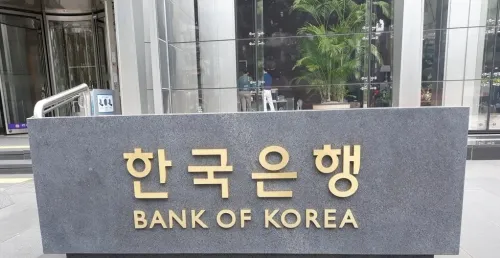
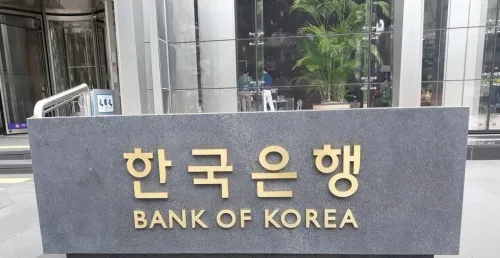
Seoul, January 29 (NationPress) The ambiguity regarding the trajectory of the United States' monetary policy is likely to continue, despite the market's overall stability following the Federal Reserve's recent decision on interest rates, stated a senior official from the South Korean central bank on Thursday.
On Wednesday (U.S. time), the Fed opted to maintain its benchmark interest rate within the 3.5-3.75 percent range after three consecutive reductions since September. This decision will keep the disparity between the key rates of South Korea and the United States at approximately 1.25 percentage points for the foreseeable future, as reported by Yonhap news agency.
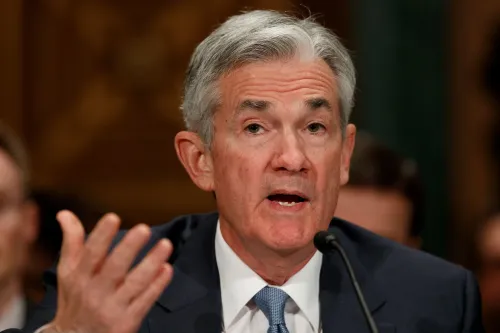
During a market assessment meeting, Bank of Korea (BOK) Deputy Governor Yoo Sang-dai remarked, "The press conference held by Fed Chair Jerome Powell, coupled with the timeline for his successor's nomination and other factors, could perpetuate uncertainty regarding the U.S. monetary policy direction."
He further noted, "With ongoing uncertainties surrounding U.S. tariff policies, worries about the fiscal integrity of major economies, and geopolitical risks, we must remain vigilant and closely monitor market trends."
In the same press conference, Powell stated that the U.S. economy experienced "solid growth last year and is entering 2026 on a strong foundation," while stressing that the Fed is "well-positioned" to adjust the policy rate in response to upcoming economic data.
In light of President Donald Trump's increasing attempts to influence the Fed, Powell defended the independence of the central bank, labeling it a common practice in every developed economy and democracy.
Given the Fed’s current position, the BOK is anticipated to sustain its prolonged pause on interest rates.
At its latest meeting earlier this month, the BOK maintained the key rate at 2.5 percent, marking the fifth consecutive decision to hold rates since July, aiming to bolster financial stability amid a weakening won and to manage inflationary pressures.
The interest rate difference between South Korea and the U.S. has been sustained since July 2022, and experts caution that an increasing spread could lead to foreign capital outflows and further depreciation of the Korean won.
The local currency has consistently traded below the crucial 1,400 won level, dipping to a multiyear low of under 1,480 won late last month, impacted by the strength of the dollar, geopolitical uncertainties, and substantial overseas investments by domestic investors.
On Thursday, the won opened at 1,429.6 per dollar, a decrease of 7.1 won from the previous session.
Point of View
It is imperative to recognize that the ongoing uncertainties in U.S. monetary policy significantly affect not just domestic markets, but also the global economic landscape. The Bank of Korea's proactive stance demonstrates a commitment to safeguarding financial stability amidst these challenges, ensuring a vigilant approach to market developments.
NationPress
27 Sept 2026
Frequently Asked Questions
What is the current interest rate set by the Federal Reserve?
The Federal Reserve has maintained its benchmark interest rate in the range of 3.5-3.75 percent.
How does the interest rate gap between the US and South Korea affect the won?
A wider interest rate gap can lead to foreign capital outflows and may further weaken the Korean won.
What are the potential risks mentioned by the Bank of Korea's Deputy Governor?
The Deputy Governor highlighted uncertainties related to U.S. tariff policies, fiscal health concerns of major economies, and geopolitical risks.
What measures is the Bank of Korea taking to address financial stability?
The Bank of Korea is maintaining its key interest rate at 2.5 percent to support financial stability amid inflationary pressures.
What has been the trend of the Korean won against the dollar recently?
The Korean won has been trading below the critical 1,400 won level and recently hit a multiyear low of under 1,480 won.