Are Startups Ready for the ‘India AI Impact Summit’ Next Month?
Synopsis
WaveX has opened applications for the ‘India AI Impact Summit 2026’, an event aimed at showcasing innovative AI solutions from startups. Set to take place from February 16-20, this summit promises networking opportunities and a platform for collaboration among industry leaders and policymakers.
Key Takeaways
WaveX invites applications from startups.
The summit is set for February 16-20, 2026 .
Focus on showcasing AI-driven products .
Networking opportunities at MIB Pavilion .
Three main objectives: impact, accessibility, safety.
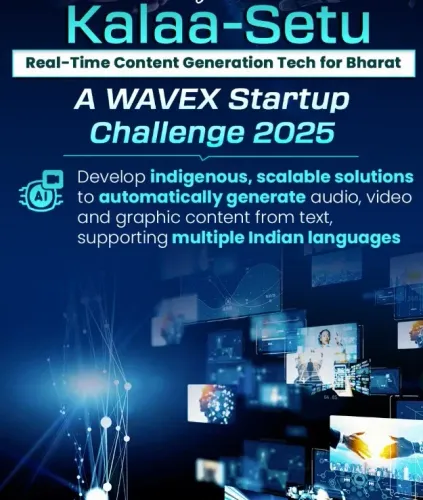
New Delhi, Jan 30 (NationPress) - The government’s startup accelerator platform WaveX has officially announced a call for applications from startups to take part in the ‘India AI Impact Summit 2026’ scheduled for next month.
WaveX will host a specialized Startup Exhibition Programme, which will allow selected startups to present their AI-powered products and solutions to a wide range of national and international attendees.
The IT Ministry has stated that startups functioning within the AVGC-XR sector and focusing on AI-based products will enjoy tailored showcase and networking opportunities at the MIB Pavilion during the summit.
According to the ministry, the MIB Pavilion will act as a central hub for displaying the latest and emerging AI technologies in the media and entertainment fields, facilitating interactions among innovators, policymakers, industry leaders, investors, and global stakeholders, which will help foster collaboration throughout the creative and technology sectors.
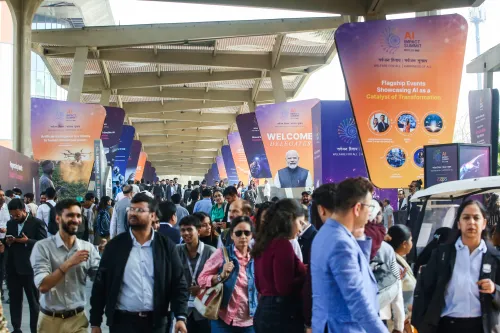
The summit, taking place from February 16-20 at Bharat Mandapam, is set to be a pivotal national event for highlighting innovative Artificial Intelligence (AI) solutions and promoting collaboration within India’s swiftly evolving AI landscape.
Expected to significantly contribute to enhancing India’s AI innovation ecosystem, the India AI Impact Summit 2026 aims to facilitate structured engagements between startups and essential stakeholders.
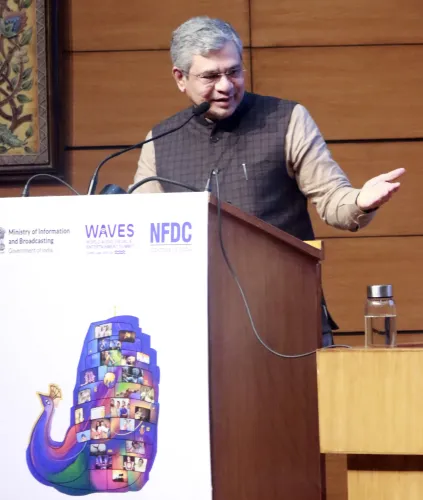
WaveX is dedicated to promoting innovation in the media, entertainment, and language technology sectors, serving as a connector between innovators, governmental entities, and industry leaders.
The upcoming AI Impact Summit has clear objectives focusing on three critical areas as India emerges as a reliable global partner through its sovereign models, safety frameworks, and robust semiconductor ecosystem.
The first goal is impact — examining how AI models, applications, and the overall ecosystem can enhance efficiency, boost productivity, and generate a multiplier effect for the economy. The second goal emphasizes accessibility, particularly for India and the Global South. The third goal centers on safety.
Point of View
The call for applications to the ‘India AI Impact Summit 2026’ represents a significant opportunity for startups to engage at a national level. It emphasizes the government’s commitment to fostering innovation in AI and its dedication to creating a collaborative environment for technological advancement, which aligns with India’s vision to be a global leader in AI.
NationPress
28 Sept 2026
Frequently Asked Questions
What is the 'India AI Impact Summit 2026'?
The 'India AI Impact Summit 2026' is a national event aimed at showcasing innovative AI solutions from startups and facilitating collaboration among industry leaders and policymakers.
When and where will the summit take place?
The summit is scheduled for February 16-20, 2026, at Bharat Mandapam in New Delhi.
Who can apply to participate?
Startups focusing on AI-driven products, particularly in the AVGC-XR segment, are encouraged to apply.
What opportunities will be provided to participating startups?
Selected startups will have the chance to showcase their products and network with key industry players at the MIB Pavilion.
What are the main objectives of the summit?
The summit aims to enhance impact, accessibility, and safety in the AI ecosystem.