Windfall tax on petrol exports raised to ₹4/litre; diesel, ATF duties cut from July 1
Synopsis
India's windfall tax regime flipped directions in a single notification: petrol exporters face a near-tripling of their levy to ₹4 per litre, while diesel and ATF exporters get sharp relief — cuts of ₹5.5 and ₹5 per litre respectively. The divergence signals a targeted recalibration, not a blanket rollback, as global crude dynamics and West Asia tensions continue to drive fortnightly policy tweaks.
Key Takeaways
SAED on petrol exports raised to ₹4 per litre from ₹1.5 per litre effective 1 July .
Export duty on diesel cut to ₹8.5 per litre from ₹14 per litre .
Levy on ATF exports reduced to ₹7.5 per litre from ₹12.5 per litre .
No change in excise duty on petrol and diesel for domestic consumption .
State-owned oil firms cut 19-kg commercial LPG prices by up to ₹183.5 from Wednesday.
Windfall tax rates are reviewed every fortnight ; next revision due mid-July.
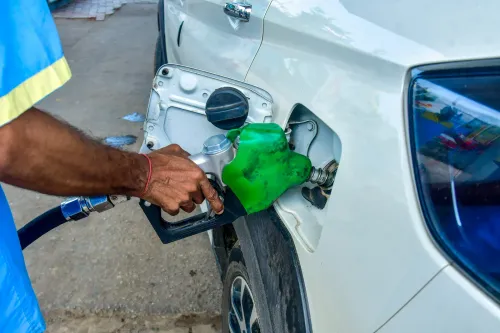
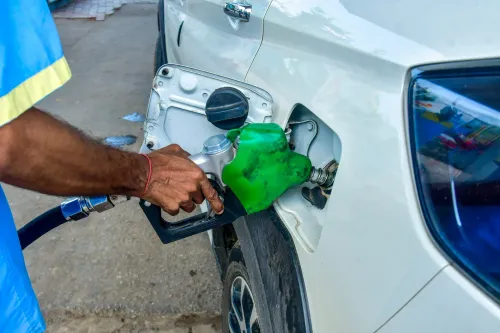
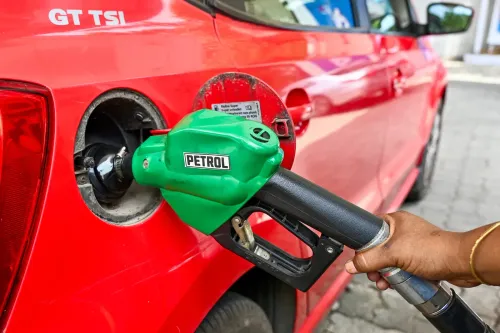
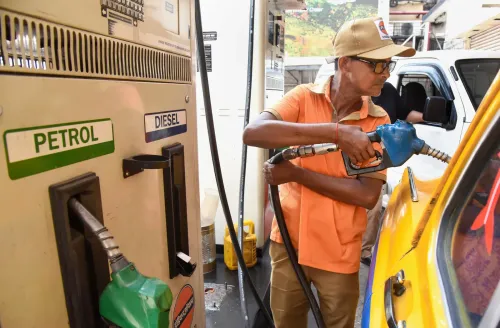
The Finance Ministry on 1 July revised the windfall tax on petroleum product exports, raising the Special Additional Excise Duty (SAED) on petrol while simultaneously cutting levies on diesel and aviation turbine fuel (ATF). The changes came into effect from Wednesday, 1 July, as part of the government's fortnightly review mechanism.
Revised Rates at a Glance
According to the Finance Ministry notification, the SAED on petrol exports has been raised to ₹4 per litre from ₹1.5 per litre — a hike of ₹2.5 per litre. In contrast, the export duty on diesel has been reduced to ₹8.5 per litre from ₹14 per litre, while the levy on ATF exports has been cut to ₹7.5 per litre from ₹12.5 per litre. The ministry clarified that there is no change in the excise duty applicable to petrol and diesel meant for domestic consumption.
Background: Why the Windfall Tax Exists
The windfall tax was originally introduced to ensure adequate domestic availability of petroleum products and to discourage excessive exports during periods of elevated global crude oil prices — a situation triggered in part by the escalation of geopolitical tensions in West Asia. The government imposed the export duty on diesel and ATF in March following that escalation, with rates subject to fortnightly revision. An export levy on petrol was introduced separately from 16 May.
Previous Fortnight's Movement
In the preceding review cycle, the government had moved in the opposite direction on diesel and ATF — raising the SAED on diesel exports to ₹14 per litre from ₹13.5 per litre and increasing the ATF export duty to ₹12.5 per litre from ₹9.5 per litre — while leaving the petrol levy unchanged. The latest revision partially reverses those increases on diesel and ATF, even as it sharply lifts the burden on petrol exporters.
Commercial LPG Price Cut
Separately, state-owned oil marketing companies reduced the price of 19-kg commercial LPG cylinders by up to ₹183.5 from Wednesday, providing relief to restaurants, hotels, and other commercial establishments that rely on bulk gas supplies.
What to Watch Next
With fortnightly reviews built into the mechanism, the next revision is due in mid-July. Analysts will track global crude benchmarks and West Asia developments to gauge whether the petrol export levy rises further or the government eases it alongside the reductions already granted to diesel and ATF exporters.
Point of View
Prompting the Centre to tighten the screw, while easing diesel and ATF duties signals confidence that domestic stocks in those categories are more comfortable. The fortnightly review mechanism, often criticised as unpredictable for refiners, is doing exactly what it was designed to do: act as a dynamic valve rather than a fixed tax. The real test is whether this calibration holds if crude spikes again — or whether the government reverts to across-the-board hikes as it did in the previous cycle.
NationPress
29 Sept 2026
Frequently Asked Questions
What is the windfall tax on petroleum exports in India?
The windfall tax — formally the Special Additional Excise Duty (SAED) — is a levy on exports of petroleum products such as petrol, diesel, and ATF. It was introduced to discourage excessive exports during periods of high global crude prices and ensure adequate domestic fuel availability, with rates reviewed every fortnight by the Finance Ministry.
What are the new windfall tax rates effective 1 July?
From 1 July, the SAED on petrol exports stands at ₹4 per litre (up from ₹1.5), the duty on diesel exports is ₹8.5 per litre (down from ₹14), and the levy on ATF exports is ₹7.5 per litre (down from ₹12.5). Domestic fuel prices are unaffected.
Why has the petrol export levy been raised while diesel and ATF duties were cut?
The Finance Ministry notification does not explicitly state the rationale, but the divergence suggests the government is managing domestic availability pressures product by product. Petrol exports have been subject to the levy only since 16 May, and the sharp hike indicates rising export volumes that the Centre wants to moderate.
How does the commercial LPG price cut affect consumers?
State-owned oil marketing companies have reduced the price of 19-kg commercial LPG cylinders by up to ₹183.5 from 1 July. This directly benefits restaurants, hotels, caterers, and other commercial establishments that use bulk LPG, potentially easing operating costs in the food-service sector.
When was the windfall tax on diesel and ATF first introduced?
The government imposed the export duty on diesel and ATF in March, following the escalation of geopolitical tensions in West Asia, which pushed global crude prices higher. A separate export levy on petrol was introduced from 16 May. Rates have been revised fortnightly since then.