Fuel excise duty cut costs exchequer ₹30,000 crore, shields consumers from crude shock
Synopsis
India's ₹30,000 crore excise cut on fuel in March 2026 shielded consumers from a crude price spike — but the bigger story is the contrast with the UPA's ₹1.34 lakh crore oil bond legacy, which the current government is still repaying. Two very different ways of managing a fuel price shock, with very different intergenerational consequences.
Key Takeaways
The SAED cut on petrol and diesel on 27 March 2026 cost the central exchequer approximately ₹30,000 crore in the current fiscal year.
Petrol excise was reduced to ₹3 per litre ; diesel excise was brought to zero , amid Strait of Hormuz disruptions.
The UPA government issued roughly ₹1.34 lakh crore in oil bonds between 2005 and 2010 , deferring fuel price costs to future taxpayers.
The present government has redeemed ₹36,913 crore in oil bonds in FY 2025–26 alone, on top of tens of thousands of crores in cumulative interest.
Unlike oil bonds, the 2026 excise cut involved no deferred liability — the revenue loss was absorbed directly and on-budget.
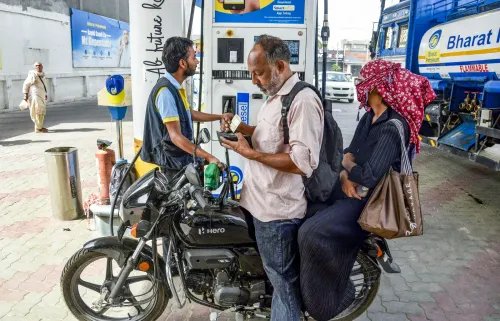
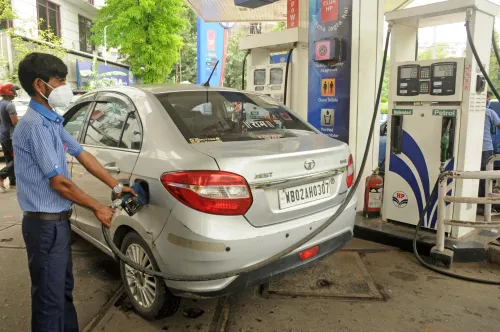
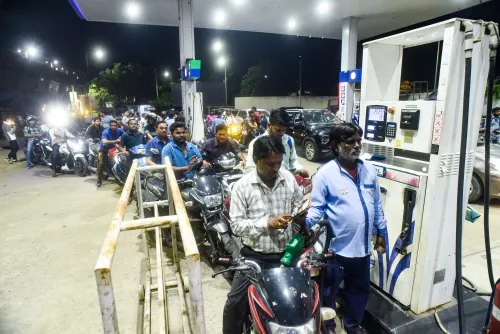
The special additional excise duty (SAED) cut on petrol and diesel, implemented on 27 March 2026, has cost the central exchequer approximately ₹30,000 crore in the current fiscal year, according to government sources. The reduction ensured that the spike in global crude prices — aggravated by disruptions in the Strait of Hormuz — was not passed on to consumers at the pump.
What the Excise Cut Did
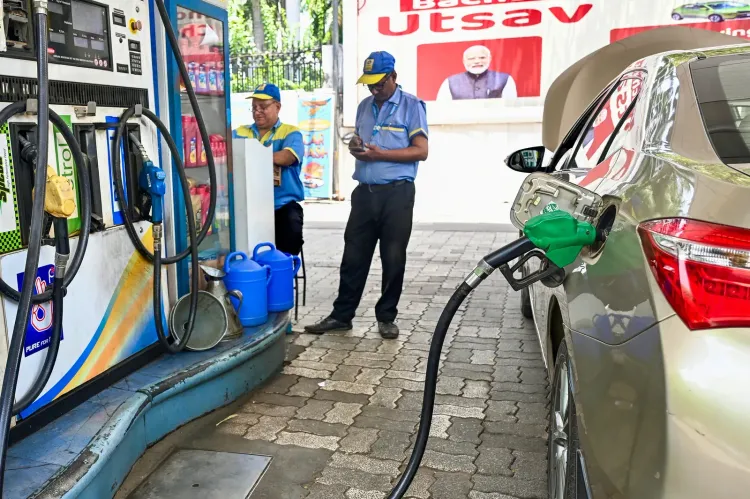
The SAED reduction brought petrol excise down to ₹3 per litre and took diesel excise to zero. The relief was immediate and visible at fuel stations within a day of the notification. According to sources, no bond was issued and no fiscal obligation was deferred to future taxpayers — the exchequer absorbed the revenue loss directly and transparently, on-budget.
The Congress Argument and Its Context
The Indian National Congress (INC) has pointed to the price difference between petrol's approximate cost of ₹71 per litre in May 2014 and its current price of roughly ₹98 per litre, presenting the gap as evidence of overtaxation under the present government. However, sources argue that this comparison omits a critical fiscal legacy.
The 2014 price, according to these sources, was not a reflection of the true cost of supplying petrol. Between 2005 and 2010, the United Progressive Alliance (UPA) government issued approximately ₹1.34 lakh crore in oil bonds to public sector oil marketing companies in lieu of direct price pass-through — effectively deferring the cost to future consumers and taxpayers.
The Oil Bond Burden Inherited by the Present Government
The Bharatiya Janata Party (BJP)-led government has been redeeming those bonds in successive financial years: roughly ₹10,000 crore in FY 2021–22, ₹31,150 crore in FY 2023–24, ₹52,860 crore in FY 2024–25, and ₹36,913 crore in FY 2025–26. Cumulative interest payments on these bonds have run into tens of thousands of crores additionally. Sources argue that the 2014 pump price was, in effect, a deferred invoice that the present government has been settling on behalf of its predecessor.
Two Approaches to Absorbing a Price Shock
The contrast in approach is significant, according to sources. When crude prices surged in 2022 and again in 2026, the government responded by cutting central excise duty — a direct, on-budget measure with immediate consumer relief. The UPA-era oil bond mechanism, by contrast, spread the cost across future years and was not reflected in the headline deficit at the time.
This is the second major excise intervention of this kind in four years, underscoring a pattern of using duty cuts rather than bond issuances as the primary shock absorber for crude volatility.
What This Means Going Forward
With the Strait of Hormuz situation remaining uncertain, analysts will be watching whether further excise adjustments are warranted. The ₹30,000 crore revenue foregone in the current fiscal year represents a meaningful fiscal cost, though the government's stated position is that consumer stability takes precedence over revenue optimisation in periods of external supply shocks.
Point of View
000 crore excise cut is fiscally costly, but the government's framing — that it is transparent and non-deferrable — holds up against scrutiny, especially when set against the oil bond legacy it is still unwinding. The Congress's price-comparison argument is politically potent but analytically incomplete: the ₹71-per-litre figure in 2014 was partly a mirage, subsidised by obligations that future budgets had to honour. The harder question is whether repeated excise cuts, however well-intentioned, create a structural expectation of insulation from global crude cycles — one that limits India's fiscal headroom precisely when it is needed most.
NationPress
9 Oct 2026
Frequently Asked Questions
What is the SAED cut on petrol and diesel announced in March 2026?
The special additional excise duty (SAED) cut, implemented on 27 March 2026, reduced petrol excise to ₹3 per litre and brought diesel excise to zero. It was introduced to prevent higher global crude prices — worsened by Strait of Hormuz disruptions — from being passed on to consumers.
How much did the fuel excise duty cut cost the government?
The SAED cut cost the central exchequer approximately ₹30,000 crore in the current fiscal year. The government absorbed this revenue loss directly without issuing bonds or deferring the cost to future taxpayers.
What are the UPA-era oil bonds and why are they relevant?
Between 2005 and 2010, the UPA government issued approximately ₹1.34 lakh crore in oil bonds to public sector oil marketing companies instead of raising pump prices. The current government has been redeeming these bonds — ₹52,860 crore in FY 2024–25 and ₹36,913 crore in FY 2025–26 — plus cumulative interest, meaning the 2014 pump price reflected deferred, not real, costs.
Is the Congress right that petrol is more expensive now than in 2014?
Petrol costs roughly ₹98 per litre today versus approximately ₹71 per litre in May 2014, and the Congress presents this as evidence of overtaxation. However, sources argue that the 2014 price was artificially suppressed through oil bonds that the present government is still repaying, making a direct comparison misleading.
How does the 2026 excise cut differ from the UPA's oil bond approach?
The 2026 excise cut was a direct, on-budget revenue sacrifice with no deferred liability — consumers got relief at the pump within a day and no future taxpayer was committed to repayment. The UPA oil bond mechanism, by contrast, spread the fiscal cost across future years without reflecting it in the contemporaneous deficit.