India fuel hike smallest globally; opposition-ruled states levy highest pump taxes
Synopsis
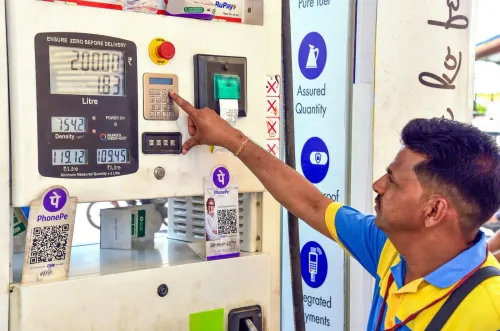
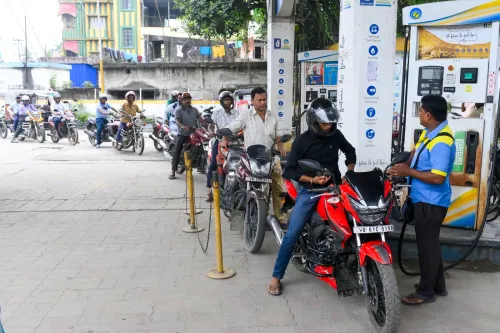
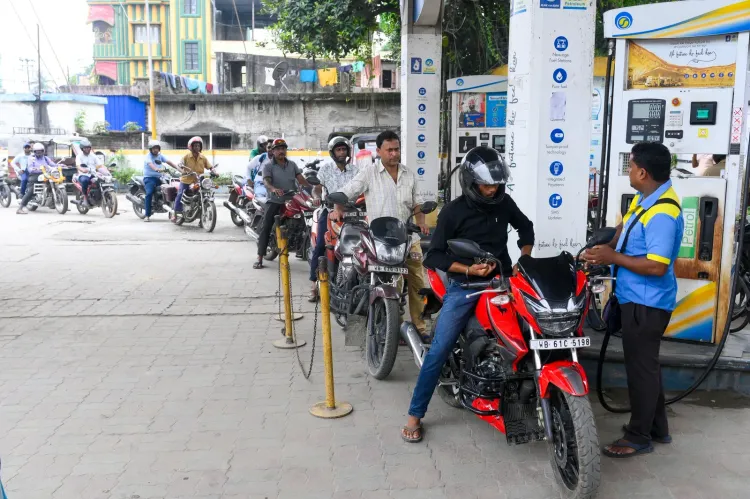
India raised petrol and diesel prices by just under ₹5 per litre across three days in May — the smallest hike of any major economy during a period when global prices surged up to 90%. The real story is in the state-level data: the loudest critics of central fuel taxes govern the states with the highest VAT rates on the same litre of fuel.
Key Takeaways
India's cumulative fuel revision of under ₹5 per litre across 15, 19, and 23 May 2026 is the smallest upward movement of any major economy outside Gulf subsidy states.
During the 76-day Strait of Hormuz disruption, India held prices while comparable economies raised them by up to 90 per cent .
Telangana , Andhra Pradesh , and Kerala have petrol above ₹112 per litre — the highest in the country — due to elevated state VAT rates.
Andhra Pradesh charges an effective rate close to 35 per cent (31% VAT + ₹4/litre + road cess); Telangana prices petrol near ₹116 per litre .
Six BJP-governed states — Gujarat , Uttar Pradesh , Delhi , Haryana , Goa , Assam — have petrol at or below ₹102 per litre .
When the Centre cut excise by ₹10 per litre on 27 March 2026 , BJP-ruled states passed the full cut to consumers; opposition-governed states did not reduce their VAT.
India's cumulative revision of just under ₹5 per litre on petrol and diesel across three days in May 2026 represents the smallest material upward price movement of any major economy outside the Gulf states that directly subsidise fuel, according to data. The revision — spread across 15, 19, and 23 May — comes after 76 days of held prices even as global benchmarks surged, and has reignited a sharp political debate over which tier of government bears the greater burden of fuel taxation.
How India Held Prices While the World Raised Them
Through the 76 days between the closure of the Strait of Hormuz on 28 February and the oil marketing company (OMC) revisions in May, the Government of India kept petrol and diesel prices essentially unchanged. During the same period, comparable economies raised pump prices by anywhere from 10 per cent to 90 per cent, according to reports.
At peak Brent crude of approximately $126 a barrel during the Hormuz disruption, the government was reportedly absorbing around ₹24 per litre on petrol and ₹30 per litre on diesel — a significant under-recovery borne by the Centre rather than passed on to consumers.
State-Level Tax Data: Who Taxes Fuel Most
The states with the highest pump prices are concentrated in Congress-ruled and INDIA bloc-governed southern states — Telangana, Kerala, Karnataka, and Tamil Nadu — alongside one NDA-allied outlier, Andhra Pradesh, where the Telugu Desam Party (TDP) state government levies an exceptionally high value-added tax (VAT) plus a per-litre addition.
Andhra Pradesh charges 31 per cent VAT plus ₹4 per litre and a road development cess, pushing the effective rate close to 35 per cent. Telangana has petrol priced close to ₹116 per litre. Kerala adds a social security cess on top of its base VAT. All three states have petrol above ₹112 per litre following the latest revisions — the highest in the country.
By contrast, six states — Gujarat, Uttar Pradesh, Delhi, Haryana, Goa, and Assam — have petrol at or below ₹102 per litre. All six are governed by the Bharatiya Janata Party (BJP). Maharashtra and Madhya Pradesh, also BJP-led, carry a higher VAT or a recent cess, placing them above the six-state floor.
The Excise Cut and Pass-Through Debate
When the Centre cut central excise duty by ₹10 per litre on both petrol and diesel on 27 March 2026, BJP-governed states passed the full reduction through to the pump, according to reports. Opposition-governed states did not make a corresponding VAT cut, sources said.
Critics argue that opposition leaderships which publicly call on the central government to reduce excise duty have not, at any point, reduced the VAT their own state governments levy on the same litre of fuel. The data suggests the framing that the Centre is the primary overtaxing authority does not hold up against state-level comparisons.
Political Implications and What Comes Next
The fuel price debate has long been a flashpoint between the Centre and state governments, with each blaming the other for high pump prices. This data, however, surfaces a structural contradiction: the states most vocal about central excise levels are also the states with the highest VAT rates on fuel.
Notably, this is not a new pattern — state VAT on fuel has historically been a significant revenue line for state governments across party lines, and cuts have been rare regardless of ruling party. The current episode, however, is unusually stark given the scale of global price movement during the Hormuz disruption and India's decision to absorb under-recoveries rather than pass costs to consumers.
Whether opposition-governed states will now move to reduce their own VAT rates — or whether the Centre will make further excise adjustments — remains to be seen as global crude prices stabilise.
Point of View
And no government, regardless of party, surrenders it easily. What is unusual here is the scale of the gap: Telangana at ₹116 versus Gujarat at sub-₹102 is not a rounding difference — it is a structural policy choice. The more substantive question the data raises is whether India's under-recovery absorption during the Hormuz disruption is fiscally sustainable if crude stays elevated, and what the trigger point for a larger revision would be.
NationPress
7 Oct 2026
Frequently Asked Questions
Why is India's fuel price hike considered the smallest in the world?
India raised petrol and diesel prices by just under ₹5 per litre across three days in May 2026, which is the smallest material upward revision of any major economy outside Gulf states that directly subsidise fuel. During the preceding 76-day Hormuz disruption, India held prices steady while other countries raised them by 10 to 90 per cent.
Which Indian states have the highest petrol prices?
Andhra Pradesh, Telangana, and Kerala have petrol above ₹112 per litre following the May 2026 revisions — the highest in the country. Telangana prices petrol close to ₹116 per litre. All three states levy among the highest VAT rates on fuel in India.
Which states have the lowest petrol prices in India?
Gujarat, Uttar Pradesh, Delhi, Haryana, Goa, and Assam have petrol at or below ₹102 per litre. All six are governed by the BJP, which also passed through the Centre's ₹10 per litre excise cut in full when it was announced on 27 March 2026.
Did opposition-governed states reduce VAT when the Centre cut excise duty?
According to reports, opposition-governed states did not reduce their VAT rates when the Centre cut central excise duty by ₹10 per litre on petrol and diesel on 27 March 2026. BJP-ruled states passed the full excise cut through to consumers at the pump.
How much was the government absorbing per litre during the Hormuz crisis?
At peak Brent crude of around $126 a barrel during the Strait of Hormuz disruption, the Government of India was reportedly absorbing approximately ₹24 per litre on petrol and ₹30 per litre on diesel, rather than passing those costs on to consumers.