Government's Zero Customs Duty on Nuclear Imports to Enhance Project Viability and Lower Costs
Synopsis
The Indian government's decision to impose zero customs duty on nuclear imports is set to transform the energy landscape, expediting project development and reducing electricity costs significantly. This move is expected to boost domestic supply chains and enhance the overall viability of nuclear energy projects.
Key Takeaways
Zero customs duty on nuclear imports will enhance project viability.
Exemption is valid until 2035 .
NPCIL is bolstering the domestic supply chain .
Focus on research includes new reactor technologies .
India's nuclear capacity expected to reach 22 GW by FY2032.
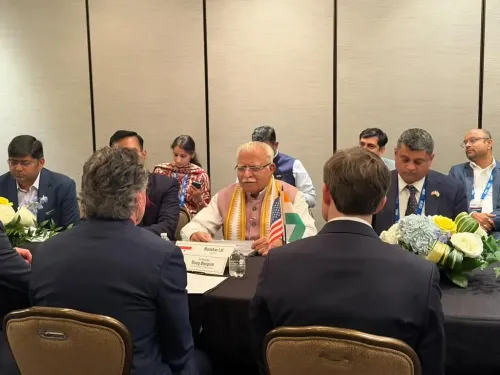
New Delhi, March 18 (NationPress) The implementation of zero customs duty on the importation of materials for nuclear power projects is set to significantly expedite development, reduce overall project costs, and lower per-unit electricity prices, thereby enhancing the feasibility of projects that require substantial imports, the government announced on Wednesday.
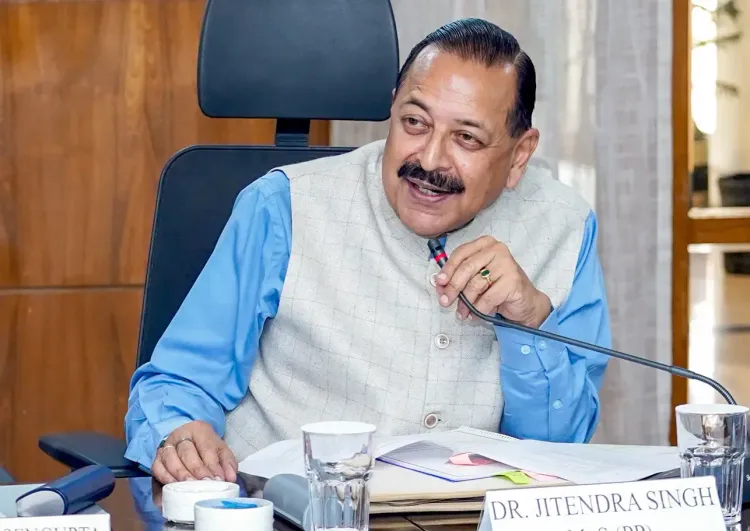
According to the Minister of State for Atomic Energy and Space, Dr. Jitendra Singh, this exemption on nuclear fuels and reactor components, which extends until 2035, is expected to decrease both project and electricity generation costs, thus bolstering the economic viability of nuclear energy initiatives.
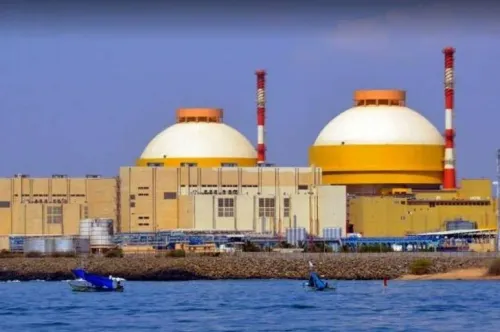
The Minister also highlighted that the Nuclear Power Corporation of India Limited (NPCIL) has initiated numerous measures to fortify the domestic supply chain for the recently sanctioned ten 700 MW Pressurized Heavy Water Reactor (PHWR) units.
These measures encompass placing bulk orders to ensure consistent supply, expanding the vendor network with essential support, promoting local equipment to replace imports, reserving specific items for class-1 domestic suppliers, and facilitating vendor meetings aimed at encouraging MSMEs and prioritizing them in bidding processes.
On the subject of increased funding for research and development at the Bhabha Atomic Research Centre (BARC), the minister stated that the enhanced budget is being allocated for multidisciplinary technology advancements with the goal of achieving self-reliance.
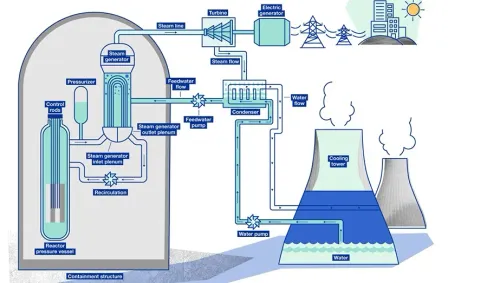
The focus areas include the development of new research reactors, facilities for isotope production particularly for cancer treatment, advanced reactor technologies such as Small Modular Reactors (SMRs) and hydrogen production, as well as accelerator technologies, laser applications, and cutting-edge materials and manufacturing technologies.
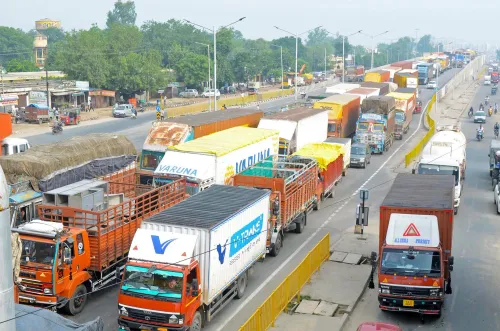
Dr. Singh also noted that there are currently no plans to link the PM Gati Shakti initiative with the construction and logistics of future nuclear parks located in coastal regions.
India's nuclear expansion is projected to be gradual, with an expected increase to approximately 22 Giga Watts (GW) by FY2032, taking into account projects that are in the pipeline and those under execution, according to a recent report from credit rating agency Infomerics Ratings.
The SHANTI Bill 2025 has replaced the Atomic Energy Act of 1962 and the Civil Liability for Nuclear Damage Act of 2010, establishing a unified legal structure that governs development, safety, security, safeguards, and nuclear liability.
aar/pk
Point of View
The measures taken to eliminate customs duties on nuclear imports signal a significant step towards enhancing India's energy independence and economic viability. The government's strategy to bolster domestic supply chains and foster research and development underscores a commitment to sustainable energy growth.
NationPress
19 Sept 2026
Frequently Asked Questions
What is the significance of zero customs duty on nuclear imports?
Zero customs duty will accelerate the development of nuclear power projects, reduce project costs, and lower electricity prices, thus improving the economic feasibility of these projects.
How long will the zero customs duty be in effect?
The exemption on nuclear fuels and reactor components will be applicable until the year 2035.
What steps is NPCIL taking to strengthen the domestic supply chain?
NPCIL is placing bulk orders, expanding the vendor base, promoting indigenous equipment, reserving certain equipment for local suppliers, and organizing vendor meets to support MSMEs.
What areas are being focused on for research and development at BARC?
Research and development will focus on new research reactors, isotope production facilities, advanced reactor technologies, accelerator technologies, and advanced materials.
Is there a proposal to integrate PM Gati Shakti with nuclear park construction?
Currently, there are no proposals to integrate the PM Gati Shakti framework with the construction and logistics of upcoming nuclear parks in coastal states.