Zoho freezes pay hikes as AI costs soar, Sridhar Vembu warns of grim job outlook
Synopsis
Zoho's Sridhar Vembu has gone public with a stark warning: AI infrastructure costs have surged four-fold, forcing the bootstrapped SaaS giant to freeze pay hikes, cut marketing, and halt headcount growth for 18 months — all while the broader software jobs market turns 'grim'. For a company that built its brand on employee welfare, this is an inflection point.
Key Takeaways
Zoho co-founder Sridhar Vembu announced on 13 October 2026 that the company has frozen annual pay increases for employees.
Zoho has also cut its marketing budget to manage rising expenses.
Server prices for data centres have risen four-fold , driven by rapid AI usage growth.
Zoho has not grown its employee headcount in 18 months ; Vembu called the software jobs outlook 'grim'.
Vembu said the company is working to avoid mass layoffs and described the next 3-5 years as defining its reinvention.
In May 2026 , Vembu had previously warned that AI-fuelled tech valuations resemble a dot-com-era bubble.
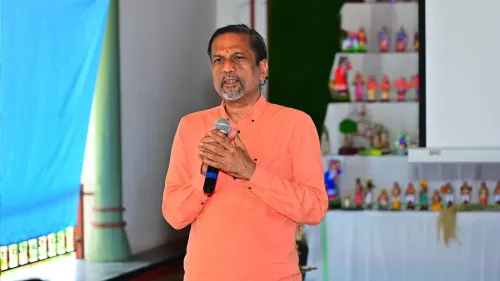
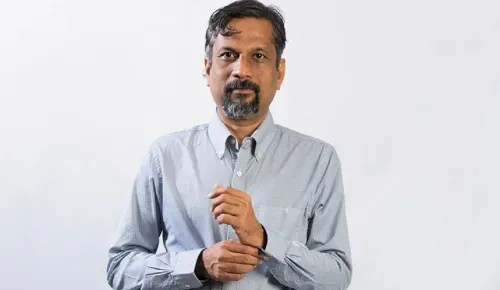
Zoho co-founder and Chief Scientist Sridhar Vembu on Tuesday, 13 October disclosed that the company has frozen annual pay increases for employees and slashed its marketing budget, citing a dramatic rise in costs driven by artificial intelligence and an uncertain global software business environment. Vembu made the announcement in a post on X (formerly Twitter), marking one of the most candid public admissions by a major Indian tech founder about AI's financial strain on operations.
What Zoho Has Decided
Vembu confirmed that Zoho has cut its marketing spend and informed employees that the company cannot deliver its customary annual salary increment this year. 'We have cut down on our marketing budget. We have also told our employees that we cannot have our usual pay increase this year. I have apologized for not being able to avoid this,' he wrote.
The move is notable for a privately held company of Zoho's stature, which has historically prided itself on employee-first policies and avoiding mass layoffs. Vembu added that while the company is working hard to prevent large-scale job cuts, 'outlook for software jobs in general is grim.' Notably, Zoho has not grown its employee headcount in 18 months.
Why Costs Have Surged
The primary pressure, according to Vembu, is infrastructure inflation tied to AI adoption. He cited a four-fold increase in server prices required for data centres, compounded by rapidly rising AI usage across the organisation. 'The business outlook for software is uncertain and AI has raised costs dramatically,' he wrote. A 'challenging geopolitical backdrop' is an additional headwind, he noted.
This comes amid a broader industry pattern: cloud and compute costs have surged globally as enterprises race to deploy AI workloads, squeezing margins even at well-capitalised firms. For Zoho — a bootstrapped company that does not rely on external funding — the pressure to self-finance these infrastructure upgrades is especially acute.
A Period of Reinvention
Vembu framed the current moment as a pivotal transition rather than a crisis. 'We are in the middle of reinventing ourselves. Next 3-5 years will decide how our reinvention has worked,' he said, signing off with an appeal for support: 'Please pray for us.' He also expressed gratitude to employees, noting that 'most of employees understand the situation.'
The remarks reflect a deeper strategic reckoning at Zoho, which competes with global SaaS giants including Salesforce, Microsoft, and Google Workspace. The company must now balance AI investment — essential for product competitiveness — against the cost burden that investment imposes on its self-funded model.
Vembu's Earlier AI Bubble Warning
This is not the first time Vembu has raised alarms about AI-driven market dynamics. In May 2026, he cautioned that soaring valuations of the world's largest technology companies, fuelled by investor enthusiasm around artificial intelligence, exhibit characteristics of a market bubble that could eclipse the dot-com era.
He had highlighted elevated price-to-sales ratios at firms including Nvidia, Apple, Alphabet, Microsoft, Meta Platforms, and Micron Technology, arguing that current market valuations appear increasingly detached from underlying business fundamentals. Vembu referenced remarks by Scott McNealy following the collapse of the dot-com bubble in the early 2000s — who argued that investors paying ten times a company's annual revenue would need extraordinary performance over many years to justify such valuations — to underline his concerns.
What to Watch
With Zoho reportedly serving over 100 million users globally across its suite of enterprise products, any shift in its employment or compensation strategy carries signal value for India's broader SaaS and IT services sector. The company's ability to complete its self-described 'reinvention' over the next three to five years — without external capital — will be closely watched by the industry.
Point of View
And the underlying signal matters beyond Zoho: if a debt-free, cash-generating SaaS company is feeling the AI cost squeeze hard enough to freeze salaries, leveraged or venture-backed peers are almost certainly under greater pressure. The four-fold rise in server costs is not a Zoho-specific problem — it is a structural shift in what it costs to remain competitive in enterprise software. India's SaaS sector, which has celebrated its capital-efficiency story for years, may be entering a phase where self-funded models face a genuine infrastructure financing gap. Vembu's 'reinvention' framing is either a confident pivot or a hedge — the next three years will reveal which.
NationPress
13 Oct 2026
Frequently Asked Questions
Why has Zoho frozen pay hikes for employees?
Zoho has frozen annual pay increases because of a dramatic rise in costs linked to AI adoption, including a four-fold surge in server prices for data centres. Co-founder Sridhar Vembu cited uncertain business outlook for software and a challenging geopolitical backdrop as additional factors.
Who is Sridhar Vembu and why does his statement matter?
Sridhar Vembu is the co-founder and Chief Scientist of Zoho Corporation, one of India's largest and most prominent bootstrapped SaaS companies serving over 100 million users globally. His public statements carry weight in India's tech industry because Zoho is widely regarded as a benchmark for self-funded, employee-centric technology businesses.
Is Zoho planning mass layoffs?
Vembu said the company is working hard to avoid mass layoffs, but added that 'outlook for software jobs in general is grim.' Zoho has not grown its employee count in 18 months, signalling a de facto hiring freeze even without formal reductions.
What did Vembu say about AI costs specifically?
Vembu said AI usage is increasing rapidly inside Zoho, leading to much higher expenses, and highlighted a four-fold increase in server prices needed for data centres as the primary cost driver. He framed these rising infrastructure costs as a key reason for the salary freeze and marketing cuts.
Has Vembu raised concerns about AI before?
Yes. In May 2026, Vembu warned that AI-fuelled valuations of major tech companies — including Nvidia, Apple, Alphabet, Microsoft, Meta Platforms, and Micron Technology — exhibit bubble-like characteristics that could surpass the dot-com era. He cited elevated price-to-sales ratios as evidence that market valuations are detached from business fundamentals.