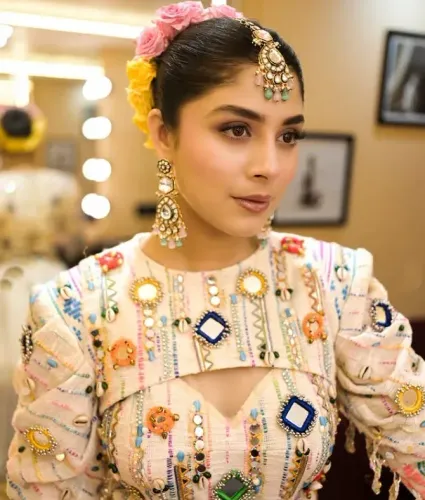
Is Adrija Roy Proud to Be Part of a Show Addressing Daily Issues?

Synopsis
In a heartfelt revelation, actress Adrija Roy discusses her role in 'Anupamaa' and the importance of addressing male domestic violence. She emphasizes the show's commitment to raising awareness about sensitive topics, empowering viewers to speak out and seek help.
Key Takeaways
Adrija Roy emphasizes the importance of discussing male domestic violence.
The show "Anupamaa" confronts sensitive societal issues.
Storytelling can empower viewers to seek help and speak out.
Creators are committed to meaningful narratives.
Awareness of all sides of abuse is crucial.
Mumbai, Feb 21 (NationPress) Actress Adrija Roy, known for her role as Rahi Kapadia in the acclaimed series "Anupamaa", discussed the current narrative surrounding male domestic violence in the show. Adrija expressed her immense pride in being part of a series that confronts sensitive and often overlooked issues.
She emphasized that television has the capability to spark essential dialogues, particularly when a mainstream show like "Anupamaa" chooses to address genuine societal concerns.
“Typically, discussions around domestic violence focus on women, and it is indeed a significant and pressing matter. However, it is crucial to recognize that men also endure emotional and physical abuse, often remaining silent due to feelings of shame or fear of judgment,” Adrija articulated.
She further stated, “It is vital that we begin to acknowledge this perspective as well.”
Adrija expressed her admiration for the "Anupamaa" creators for their thoughtful approach to sensitive topics. She noted that these story arcs are not merely for dramatic effect but are crafted to convey meaningful messages.
“The producers of Anupamaa are very considerate about the narratives they present. Each storyline resonates with real-life experiences, reflecting what people endure within their homes or relationships,” she remarked.
Adrija highlighted that shows like "Anupamaa" empower individuals who may be suffering in silence.
“When viewers encounter such narratives on screen, they come to realize they are not isolated. It instills them with the bravery to voice their struggles or seek assistance. This is the true impact of storytelling,” she explained.
Moreover, Adrija believes it is imperative for actors and creators to wield their platforms responsibly.
“If we can induce even a minor transformation in someone’s life or make them feel validated, our work achieves significance. I take pride in the fact that our show consistently highlights social issues that occur daily but remain largely unspoken,” she concluded.
Point of View
We recognize the significance of these discussions in fostering awareness and encouraging dialogue. 'Anupamaa' effectively utilizes its platform to address real societal challenges, reflecting a commitment to responsible storytelling.
NationPress
26 Sept 2026
Frequently Asked Questions
What is the main theme of Adrija Roy's statements?
Adrija Roy emphasizes the importance of addressing male domestic violence and acknowledges both men's and women's experiences with abuse.
Why is 'Anupamaa' significant in today's context?
'Anupamaa' is significant because it tackles real-life issues, encouraging viewers to confront and discuss sensitive topics that are often overlooked.