Why did the Delhi High Court criticize the PIL against ‘The Taj Story’ and support its release?
Synopsis
The Delhi High Court has defended the upcoming film ‘The Taj Story’ against a Public Interest Litigation, emphasizing the importance of artistic freedom. The court's decision reinforces the need for creative expression without undue restrictions, even amid concerns over historical representation. With its release set for October 31, the film aims to spark dialogue rather than division.
Key Takeaways
The Taj Story is supported by the Delhi High Court for its artistic expression.
The film is based on six months of thorough research and historical references.
The Central Board of Film Certification (CBFC) has approved the film's authenticity.
The film aims to promote dialogue rather than division.
Its nationwide release is scheduled for October 31.
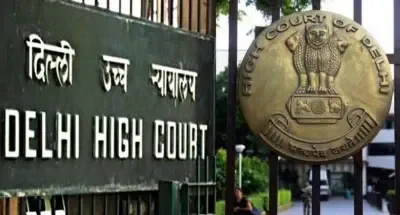
Mumbai, Oct 29 (NationPress) The Delhi High Court, on Wednesday, condemned a Public Interest Litigation (PIL) aimed at halting the release of the much-anticipated film The Taj Story.
The court labeled the plea as a needless attempt to hinder artistic freedom, voicing its support for the film's release. An exclusive source informed IANS that the court asserted that creative expression cannot be restricted without substantial justification. Recently, the Delhi High Court has declined to prioritize the PIL aimed at obstructing or regulating the film's release.
The petitioner sought an immediate hearing, arguing that the film could misrepresent historical facts and disturb communal harmony before its nationwide premiere on October 31. However, the court refused the urgent request, indicating that the matter would be processed following standard procedures.
In response to the claims, director Tushar Amrish Goel remarked, “The Taj Story is not based on fictional narratives or hearsay. It is the outcome of six months of rigorous research conducted by our team, accompanied by consultations and verified historical references. Moreover, the esteemed Central Board of Film Certification (CBFC) scrutinized every aspect and approved the film only after confirming its authenticity. Our goal was never to incite tension but to offer a researched perspective that fosters informed dialogue. I sincerely appreciate the Delhi High Court’s decision to support the film and advocate for the essence of creative freedom. Cinema should be a realm for truth, research, and fearless storytelling.”
Producer CA Suresh Jha added, “All allegations and the PIL against The Taj Story are completely unfounded. We created this film with utmost honesty, responsibility, and reverence for our history. Our sole objective is to share a genuine story that ignites curiosity, dialogue, and pride, rather than division.”
A Public Interest Litigation (PIL) was filed in the Delhi High Court against The Taj Story, claiming it distorts historical facts and might incite communal unrest. The petition, submitted by advocate Shakeel Abbas and BJP Leader Rajnish Sing, calls for the Central Government and the CBFC to reassess the certification granted to the film. The plea argues that The Taj Story relies on speculative theories and requests the inclusion of disclaimers and restrictions to mitigate public unrest, particularly in Agra.
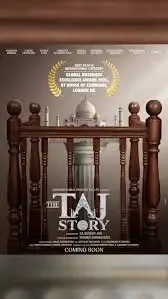
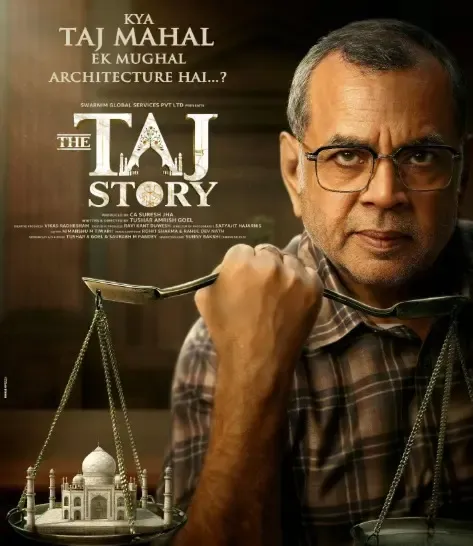
The Taj Story features an ensemble cast including Paresh Rawal, Zakir Hussain, Amruta Khanvilkar, Sneha Wagh, and Namit Das. The film is slated for nationwide release on October 31.
Point of View
The Delhi High Court's ruling underscores the importance of maintaining artistic integrity in cinema. The decision to support ‘The Taj Story’ speaks volumes about the judiciary's role in protecting creative expression, especially in a landscape where historical narratives are often contentious. Upholding artistic freedom is crucial for fostering informed discussions and enriching cultural discourse.
NationPress
20 Sept 2026
Frequently Asked Questions
What is the main issue surrounding ‘The Taj Story’?
The main issue is a Public Interest Litigation (PIL) filed against the film, alleging that it misrepresents historical facts and could disrupt communal harmony.
How did the Delhi High Court respond to the PIL?
The Delhi High Court criticized the PIL as an unnecessary interference with artistic freedom and supported the film's release.
Who directed ‘The Taj Story’?
The film is directed by Tushar Amrish Goel, who emphasized its foundation in extensive research.