Dharma Productions Spotlights Four Films on Netflix
Synopsis
Dharma Productions spotlighted four of its titles on Netflix in a 7 November 2026 post — Kuch Kuch Hota Hai, Kabhi Khushi Kabhie Gham, Yeh Jawaani Hai Deewani, and Sunny Sanskari Ki Tulsi Kumari — underlining the studio's growing catalogue presence on global streaming.
Key Takeaways
Dharma Productions posted on X on 7 November 2026 promoting four of its films on Netflix .
The titles include Kuch Kuch Hota Hai (1998), Kabhi Khushi Kabhie Gham (2001), Yeh Jawaani Hai Deewani (2013), and Sunny Sanskari Ki Tulsi Kumari .
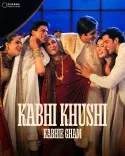
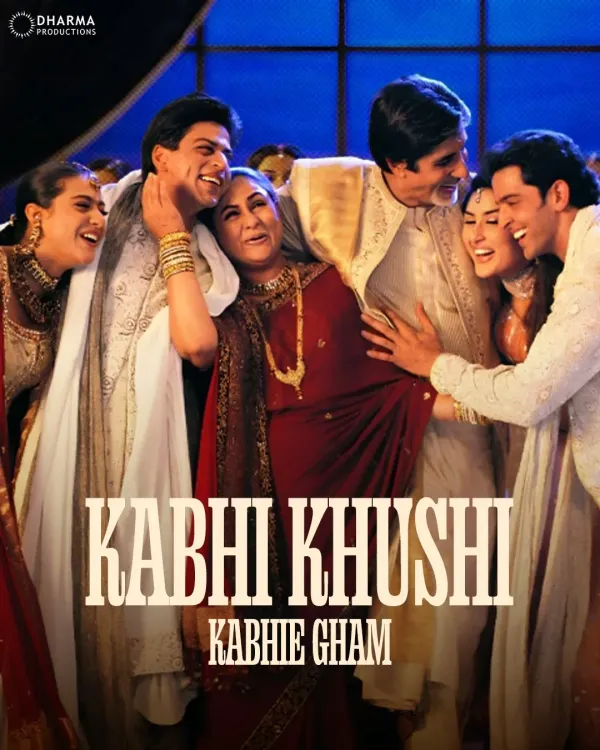
Kabhi Khushi Kabhie Gham starred Shah Rukh Khan , Amitabh Bachchan , and Kajol and remains one of the most-watched Hindi films on streaming globally.
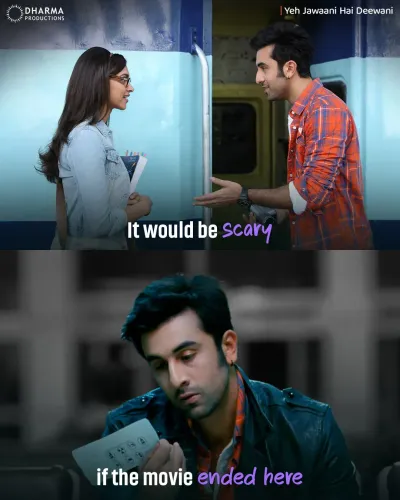
Yeh Jawaani Hai Deewani was directed by Ayan Mukerji and produced by Dharma.
The post reflects a broader industry trend of Indian studios licensing their catalogues to OTT platforms to extend commercial life beyond theatrical runs.
Four films. One studio. And a streaming library that keeps pulling audiences back in. Dharma Productions took to X on Saturday, 7 November 2026, spotlighting a quartet of its titles available to watch on Netflix — a lineup that spans nearly three decades of Hindi cinema.
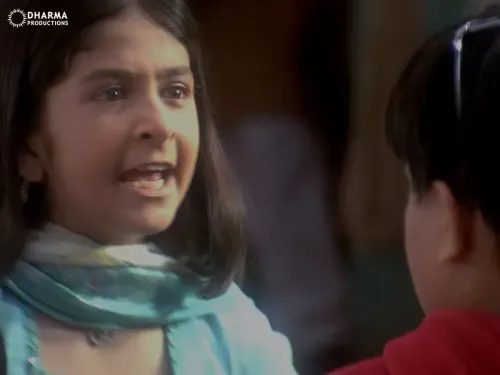
The post listed Kabhi Khushi Kabhie Gham (2001), Sunny Sanskari Ki Tulsi Kumari, Kuch Kuch Hota Hai (1998), and Yeh Jawaani Hai Deewani (2013) — each flagged with the clapperboard emoji and accompanied by four images. The nudge to 'Watch on Netflix' was explicit, turning a social-media post into a soft piece of platform promotion.
The films at the heart of the callout
Kuch Kuch Hota Hai, directed by Karan Johar and released in 1998, remains one of the defining romantic dramas of its era — a box-office landmark that cemented Dharma's identity as a maker of glossy, emotionally charged entertainers. Three years later, Kabhi Khushi Kabhie Gham (2001) raised the stakes further, assembling an ensemble that included Shah Rukh Khan, Amitabh Bachchan, and Kajol in a sprawling family saga that still ranks among the most-watched Hindi films globally on streaming platforms.
Yeh Jawaani Hai Deewani (2013), directed by Ayan Mukerji and produced by Dharma, extended the studio's run of youth-centric blockbusters into the new decade. Its inclusion alongside the two Johar classics signals a deliberate effort to represent different generations of the Dharma catalogue in a single curated callout.
Dharma's OTT play — catalogue as currency
Indian production houses have steadily moved to license their film libraries to global streamers, and Dharma has been no exception. Titles from the studio have appeared on Netflix as part of broader content arrangements between Bollywood studios and OTT platforms — a strategy that keeps older films commercially active long after their theatrical runs end. For a studio whose legacy is built on big-screen spectacle, the streaming shelf has become a second box office.
The shout-out is also a reminder of how much Dharma's brand equity rests on a relatively small number of iconic titles. When the studio wants to signal its cultural weight, it reaches for K3G and KKHH — films that need no introduction to anyone who grew up watching Hindi cinema.
With future Dharma releases on the horizon, the studio's catalogue strategy on Netflix will only grow in significance — and the classics are clearly still doing the heavy lifting.
Point of View
Bollywood classics from bankable studios function as evergreen subscriber-retention tools rather than one-time acquisition spikes. The studio's ability to bundle a newer title alongside two all-time favourites also hints at a deliberate strategy to give fresher IP the halo effect of legacy franchises.
NationPress
7 Nov 2026
Frequently Asked Questions
Which Dharma Productions films are available on Netflix?
As of November 2026, Dharma Productions has flagged 'Kuch Kuch Hota Hai', 'Kabhi Khushi Kabhie Gham', 'Yeh Jawaani Hai Deewani', and 'Sunny Sanskari Ki Tulsi Kumari' as available to watch on Netflix.
Who directed Kabhi Khushi Kabhie Gham?
'Kabhi Khushi Kabhie Gham' (2001) was directed by Karan Johar and starred Shah Rukh Khan, Amitabh Bachchan, and Kajol.
Who directed Yeh Jawaani Hai Deewani?
'Yeh Jawaani Hai Deewani' (2013) was directed by Ayan Mukerji and produced by Dharma Productions.
When was Kuch Kuch Hota Hai released?
'Kuch Kuch Hota Hai' was released in 1998 and was directed by Karan Johar, becoming one of the biggest Bollywood hits of its decade.
What is Dharma Productions known for?
Dharma Productions is one of India's leading Hindi film production houses, founded by Yash Johar and currently headed by producer-director Karan Johar, known for producing large-scale family dramas and romantic blockbusters.