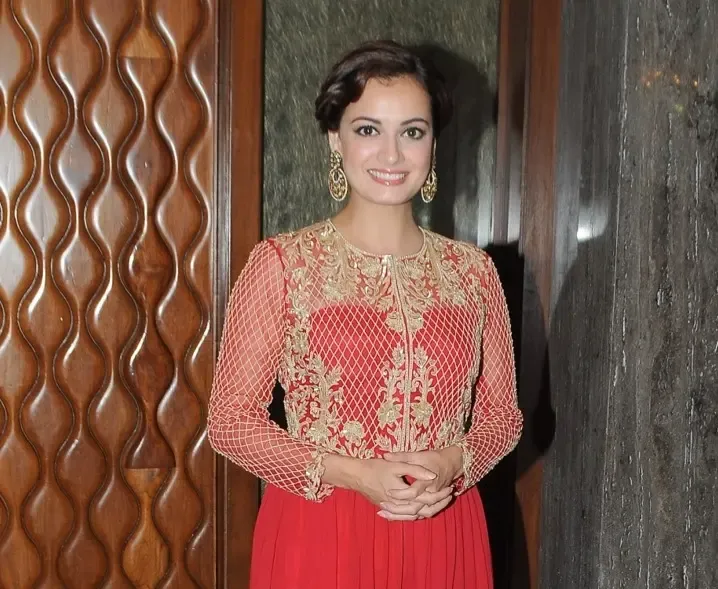
Dia Mirza defends BMC Diwali pollution video after BJP forces takedown
Synopsis
The BMC deleted a pollution-free Diwali video featuring Dia Mirza after Mumbai BJP chief Satam objected to an 'outsider' advising Hindus on festival celebration. Mirza hit back, calling air pollution a public health concern — turning a civic awareness clip into a flashpoint for debates about celebrity advocacy, communal framing, and environmental messaging.
Key Takeaways
BMC removed a Diwali pollution-awareness video featuring Dia Mirza after Mumbai BJP chief Satam objected on 2 November 2026 .
Dia Mirza responded, stating: 'Air pollution is a matter of public health, and every effort towards reducing it is a step towards a better environment for all.' The campaign also featured actress Madhuri Dixit and cricketer Ajinkya Rahane ; only Dia Mirza 's video drew objections.
Mumbai BJP chief Satam posted on X that 'we don't need lessons on how to celebrate Diwali' from Dia Mirza .
Union Minister Ramdas Athawale urged the issue not be linked to religion, citing constitutional rights for all communities.
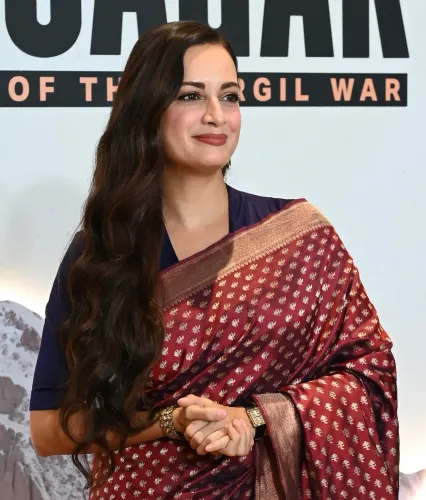
Actress Dia Mirza on 2 November 2026 issued a public statement defending her appearance in the Brihanmumbai Municipal Corporation (BMC)'s pollution-free Diwali awareness video, after the civic body removed the clip following objections from the Bharatiya Janata Party (BJP). The row has quickly drawn political reactions and reignited a broader debate about celebrity advocacy, festival traditions, and civic responsibility.
What the video said and why it was pulled
The BMC had launched a Diwali awareness campaign featuring several public figures — including Dia Mirza, veteran actress Madhuri Dixit, and cricketer Ajinkya Rahane — urging residents to celebrate the festival in an environment-friendly manner. The campaign aimed to highlight the health impact of air pollution during the festive season.
The video was removed after Mumbai BJP chief Satam objected to Dia Mirza's participation, questioning whether outsiders should advise people on how to observe their cultural traditions. In a post on X, Satam wrote: 'We don't need lessons on how to celebrate Diwali from Dia Mirza. Our traditions are deeply rooted in our culture.'
Dia Mirza's response
In her statement, Dia Mirza framed the video as a public health initiative rather than a cultural intervention. 'Diwali celebrates the triumph of light over darkness, knowledge over ignorance, and hope over despair. The video was recorded in the interest of public awareness, with the intention of encouraging a healthier and more mindful celebration. Air pollution is a matter of public health, and every effort towards reducing it is a step towards a better environment for all,' she said.
Mirza has been a long-standing environmental advocate and United Nations Environment Programme Goodwill Ambassador, lending her prior activism context to her participation in the campaign.
Political fallout and reactions
The controversy drew comment from Union Minister Ramdas Athawale, who urged that the issue not be communalised. 'I think Dia Mirza is a film actress and belongs to the Muslim community, but this is not a matter concerning any particular community. India is a country where the Constitution given by Dr. B.R. Ambedkar grants every religion the right to celebrate its festivals,' he said.
Athawale also acknowledged the tension between tradition and environmental concern. 'If firecrackers are not burst, Diwali may lose some of its significance. However, we must also be concerned about excessive pollution,' he added.
The broader context
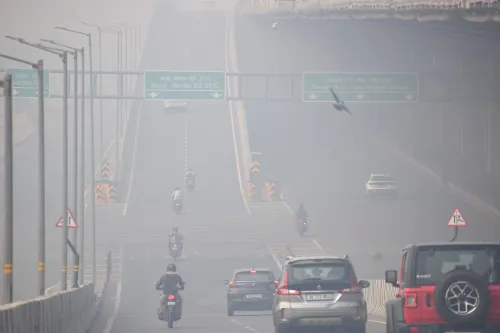
This is not the first time anti-pollution messaging around Diwali has become politically charged in India. Similar debates have surfaced in Delhi, Mumbai, and other major cities in recent years as government bodies walk the fine line between reducing harmful particulate matter and being seen as interfering with religious practices. Critics argue that framing air quality advice as cultural overreach shifts focus away from a genuine public health challenge — one that affects millions of citizens regardless of faith. The BMC's decision to pull the video, however, signals the political pressures civic bodies continue to face even on non-partisan health campaigns.
The episode is likely to keep the spotlight on how Indian institutions handle environment-linked public messaging during major festivals.
Point of View
And the speed of the takedown suggests institutional deference to political noise over public interest. The selective objection — only Mirza's video was pulled, not those of Madhuri Dixit or Ajinkya Rahane — allowed communal framing to enter a debate that should have stayed on particulate matter. That Union Minister Athawale felt compelled to address the religious angle signals how quickly anti-pollution messaging can be delegitimised when political actors choose to reframe it.
NationPress
2 Nov 2026
Frequently Asked Questions
Why did BMC remove the Diwali awareness video featuring Dia Mirza?
The BMC removed the video after Mumbai BJP chief Satam objected to Dia Mirza's participation, arguing that outsiders should not advise people on how to celebrate their cultural traditions. The civic body pulled the video from its social media accounts shortly after the objection was raised.
What did Dia Mirza say in her statement?
Dia Mirza said the video was recorded in the interest of public awareness, not as a cultural judgment. She stated: 'Air pollution is a matter of public health, and every effort towards reducing it is a step towards a better environment for all.'
Who else featured in the BMC's Diwali campaign?
The BMC's campaign included video messages from actress Madhuri Dixit and cricketer Ajinkya Rahane, in addition to Dia Mirza. However, the BJP's objection was directed specifically at Dia Mirza's video.
What did Union Minister Ramdas Athawale say about the controversy?
Ramdas Athawale urged that the issue not be linked to any particular religion, citing the constitutional right of every community to celebrate its festivals. He acknowledged the tension between tradition and environmental concern, saying excessive pollution must also be addressed.
Is this the first time Diwali anti-pollution campaigns have sparked political controversy in India?
No. Similar disputes have arisen in Delhi, Mumbai, and other major cities in previous years, with politicians periodically framing air quality advisories around Diwali as interference in religious practices. The pattern reflects an ongoing tension between civic public health messaging and political sensitivities around festival traditions.