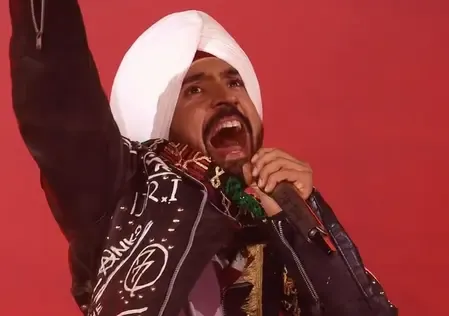
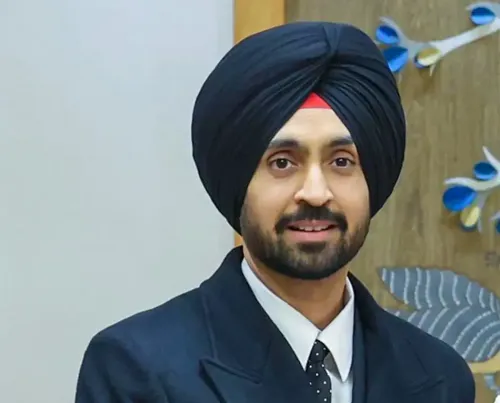
Diljit Dosanjh calls out double standards at Ahmedabad concert over song restrictions
Synopsis
Diljit Dosanjh turned his Ahmedabad concert into a cultural flashpoint — calling out what he sees as double standards that restrict Indian artists while giving international acts like Coldplay a free pass at the very same stadium. With a Gujarat High Court contempt petition reportedly looming over four of his songs, the moment crystallises a simmering debate about unequal content regulation in Indian live music.
Key Takeaways
Diljit Dosanjh publicly questioned song restrictions imposed on him at Narendra Modi Stadium, Ahmedabad on 22 November 2026 .
He compared his treatment to Coldplay's unchallenged performance at the same venue, alleging 'double standards' against Indian artists.
Four songs — 'Patiala Peg' , 'Panj Tara' , 'Je Bichcho Feem Labbiya' , and 'Jatt Utthe Fire Karda' — reportedly faced objections over lyrics.
Dr Pandit Rao Dharennavar of PGGC-46, Chandigarh reportedly threatened a contempt petition in the Gujarat High Court if the songs were performed.
Diljit said he had no personal issue with those imposing restrictions but warned he would respond if provoked.
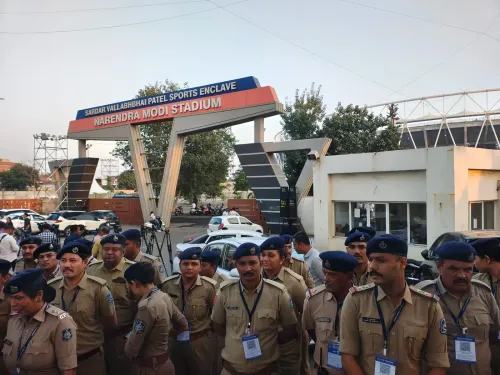
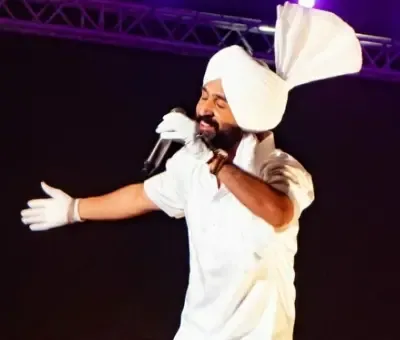
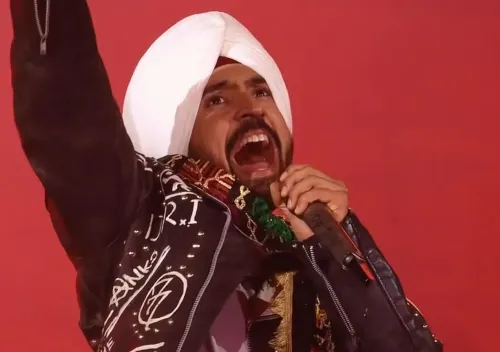
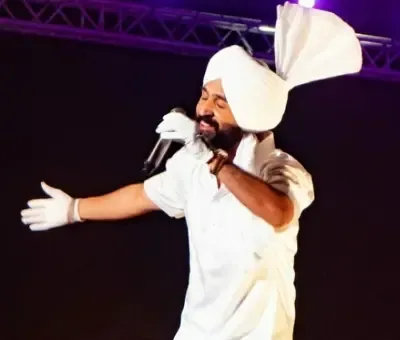
Singer-actor Diljit Dosanjh publicly questioned restrictions placed on some of his songs during his concert at Ahmedabad's Narendra Modi Stadium on 22 November 2026, alleging 'double standards' that he said unfairly targeted Indian artists while leaving international performers untouched. The remarks, delivered directly from the stage to a packed audience at what he called the world's largest stadium, drew sharp attention amid a wider controversy over concert content regulation in India.
What Diljit Said on Stage
Before launching into his set, Diljit addressed the crowd with a mix of gratitude and candour. 'We should be proud that we are at the Narendra Modi Stadium, the world's largest stadium,' he told fans, adding that performing at the venue had been a long-cherished personal goal fulfilled by their support. He pointed specifically to Coldplay's concert at the same stadium the previous year as the moment that inspired him to aim for the stage himself.
Drawing a pointed comparison, he questioned why his songs attracted objections while the British band's lyrics did not. 'When Coldplay sings, 'I'm feeling drunk and high', nobody has a problem. I like that song. When Coldplay comes here and sings it, nobody has an issue. But when Diljit does it, there is a problem. Why these double standards?' he asked.
Diljit on Indian Artists Being Singled Out
The singer went further, challenging the perceived disparity between how foreign and domestic artists are treated by critics and regulators alike. 'If an artist from abroad comes and sings, nobody has a problem. But people have a problem with Diljit. They tell me that I have come from abroad. I was born here. I wasn't born in Honolulu,' he said, drawing applause. He also acknowledged the Indian musicians touring with him, calling them ambassadors of Punjabi and Indian music worldwide.
Notably, Diljit stopped short of outright defiance, saying he had no personal grudge against those imposing the restrictions. 'I don't understand. If you want to impose restrictions, impose them on me. I have no problem with the people who impose these restrictions. I am enjoying myself. I send them love too,' he said. He did, however, caution those he said were provoking him: 'If you provoke me, I will respond. If you get on my nerves, I will trend, brother.'
The Objection: Who Raised It and Why
The restrictions came after Dr Pandit Rao Dharennavar, an associate professor of sociology at PGGC-46, Chandigarh, reportedly urged Diljit to drop four tracks from his Ahmedabad set list. The songs in question — 'Patiala Peg', 'Panj Tara', 'Je Bichcho Feem Labbiya', and 'Jatt Utthe Fire Karda' — were flagged, according to Dharennavar, for lyrics that allegedly promote alcohol consumption, drug use, and gun culture. He reportedly warned of filing a contempt petition in the Gujarat High Court if the songs were performed.
Broader Context: Concert Regulation and Cultural Debate
This is not the first time Diljit's concert tour has become a flashpoint over content. His ongoing Dil-Luminati tour has drawn both massive crowds and periodic regulatory scrutiny across Indian cities, reflecting a wider, unresolved tension in Indian entertainment between creative freedom and community standards. Critics argue that applying content restrictions unevenly — based on the nationality or origin of the performer — undermines the principle of equal treatment under law. Supporters of the objections, meanwhile, contend that artists with large youth followings carry a responsibility around the content they amplify.
As the tour continues across India, the incident is likely to keep the debate over concert censorship and double standards firmly in the public eye.
Point of View
The standard cannot logically apply only to artists who were born in India. The real issue this episode surfaces is the absence of any consistent, transparent framework for concert content regulation in India: decisions appear to be driven by individual complaints rather than codified criteria, leaving artists, promoters, and audiences in a state of perpetual uncertainty. Until that changes, every big-ticket concert tour is one activist petition away from a legal standoff.
NationPress
22 Nov 2026
Frequently Asked Questions
Why did Diljit Dosanjh raise the double standards issue at his Ahmedabad concert?
Diljit raised the issue after objections were filed against four of his songs at the Narendra Modi Stadium, Ahmedabad, reportedly by an associate professor who threatened a Gujarat High Court contempt petition. He questioned why similar lyrics performed by Coldplay at the same venue did not attract any criticism, calling it a double standard against Indian artists.
Which songs were restricted at Diljit Dosanjh's Ahmedabad concert?
The four tracks reportedly flagged for objection are 'Patiala Peg', 'Panj Tara', 'Je Bichcho Feem Labbiya', and 'Jatt Utthe Fire Karda'. Dr Pandit Rao Dharennavar, the complainant, claimed their lyrics promote alcohol consumption, drug use, and gun culture.
Who filed objections against Diljit Dosanjh's concert songs?
Dr Pandit Rao Dharennavar, an associate professor of sociology at PGGC-46, Chandigarh, reportedly raised objections and warned of filing a contempt petition in the Gujarat High Court if the songs were included in the performance.
What did Diljit Dosanjh say about Coldplay at the Ahmedabad concert?
Diljit noted that Coldplay performed at the same Narendra Modi Stadium the previous year and their lyrics — which he cited with the line 'I'm feeling drunk and high' — drew no objections. He contrasted this with the scrutiny placed on his own songs, asking why the same standard was not applied equally.
Is this the first controversy around Diljit Dosanjh's Dil-Luminati tour?
This is among the most high-profile flashpoints of the ongoing Dil-Luminati tour, which has drawn large crowds across Indian cities but also periodic regulatory and social scrutiny. The Ahmedabad incident has amplified a broader debate about how Indian entertainment regulators and civil society treat domestic versus international performers.