Drishyam changed my life more than my cinema journey: Esther Anil
Synopsis
Hours before Drishyam 3 hit screens, Esther Anil posted a rare, unfiltered reflection — crediting a 2013 casting call with changing her life more than her career, while also revealing she earned a distinction at the London School of Economics after once thinking LSE was 'too big a fish to catch.'
Key Takeaways
Esther Anil posted a gratitude note on Instagram hours before Drishyam 3 released, saying the franchise changed her life beyond cinema.
She began as a child actor in 2010 and was cast in the original Drishyam in 2013 by director Jeethu Joseph .
She also played the younger daughter of Kamal Haasan in Papanasam , the Tamil remake of Drishyam.
Esther recently graduated in International Development from the London School of Economics , earning a distinction for her thesis on women and power.
She credited her parents for supporting her LSE ambitions despite financial constraints, with both brothers already on student loans.
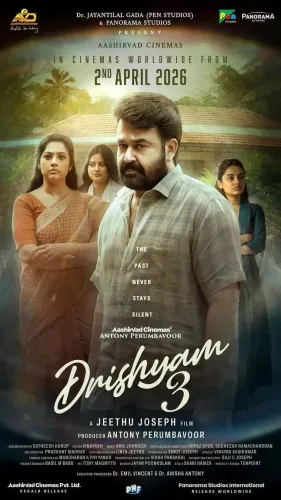
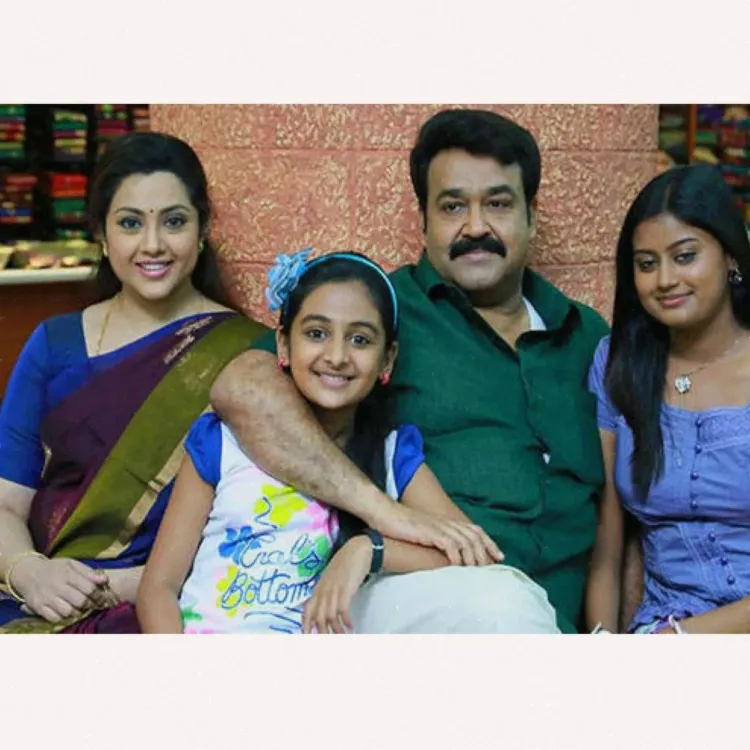
Actress Esther Anil, best known for portraying the younger daughter of Malayalam superstar Mohanlal in the blockbuster franchise Drishyam, has shared a heartfelt note of gratitude ahead of the release of Drishyam 3, saying the franchise transformed her life in ways that extended far beyond her career in cinema. The message, posted on her Instagram page just hours before the third instalment hit screens, has resonated widely with fans of the series.
From Child Actor to Drishyam
Esther Anil began her acting career in 2010 as a child artiste, taking on sporadic roles while learning the craft. Her trajectory changed decisively in 2013 when director Jeethu Joseph — whom she affectionately calls 'Jeethu Uncle' — cast her alongside Mohanlal in the original Drishyam. 'That film changed everything. It took me to audiences across India and opened doors I never even dreamt of,' she wrote. She also reprised her role in Papanasam, the Tamil remake of Drishyam, playing the younger daughter of Kamal Haasan.
Gratitude Ahead of Drishyam 3
Writing with visible emotion just hours before Drishyam 3's release, Esther described a rush of feelings — 'the hype, the excitement, the wishes, the jitters' — but said that above all, she felt grateful. She specifically thanked the timing, the choices made by others, and the chance meeting with director Jeethu Joseph that set her path in motion. 'Maybe, in many ways, it changed my life even more than it changed my journey in cinema,' she reflected.
A Degree from the London School of Economics
Away from the screen, Esther Anil recently graduated in International Development from the internationally renowned London School of Economics (LSE) — an achievement she had once considered completely out of reach. She recalled her father mentioning LSE in passing on a phone call, to which her internal reaction was disbelief: 'I told him, 'Honestly, are you kidding me?' That was way too big a fish for us to catch.' Her thesis on women and power earned her a distinction from LSE — a result she described with characteristic self-deprecating humour: 'Maybe I'm not the dumbest after all.'
Parents Who Stood by Her
Esther's post also paid tribute to her parents, whom she had initially not told about her LSE admission, fearing the financial burden. With both her brothers already on student loans, she was reluctant to add to the pressure. Her parents' response, she wrote, was unequivocal: 'We know how much you want this. Money will come. You are going.' She acknowledged their flaws candidly, but said their unconditional support was something she could never overlook. 'Thank you for teaching me to dream, and to chase those dreams,' she wrote, addressing her Appa and Amma directly.
Battling Imposter Syndrome at LSE
Esther was candid about the emotional cost of studying at one of the world's most competitive institutions. In a media interview referenced in her post, she had admitted: 'I got into the world's best university only to feel like the biggest failure.' Competing with exceptional peers while battling imposter syndrome, she said, was far harder than securing admission. The distinction awarded on her thesis was, in that context, a deeply personal vindication. She signed off her post with a line that captures her philosophy: 'It's better to be a fool than to never dream.'
Point of View
But a genuine reckoning with luck, class anxiety, and the weight of parental sacrifice. The LSE detail is the kind of story mainstream entertainment coverage tends to flatten into a feel-good headline, but her account of imposter syndrome and financial hesitation gives it real texture. For an industry that rarely surfaces the off-screen lives of its younger actors with any depth, this is a reminder that the most compelling narratives are often the ones happening between films.
NationPress
6 Oct 2026
Frequently Asked Questions
What did Esther Anil write ahead of Drishyam 3's release?
Esther Anil posted a heartfelt gratitude note on Instagram hours before Drishyam 3 hit screens, saying the franchise changed her life even more than her journey in cinema. She reflected on being cast by director Jeethu Joseph in the original Drishyam in 2013 and how it opened doors she had never imagined.
What is Esther Anil's role in the Drishyam franchise?
Esther Anil plays the younger daughter of Mohanlal's character in the Malayalam Drishyam films. She also reprised the role in Papanasam, the Tamil remake, where she played the younger daughter of Kamal Haasan.
Did Esther Anil study at the London School of Economics?
Yes, Esther Anil recently graduated in International Development from the London School of Economics (LSE). Her thesis on women and power earned her a distinction from the institution.
How did Esther Anil's parents support her LSE education?
Esther initially did not tell her parents about her LSE admission, fearing the financial burden since both her brothers were already on student loans. When she did tell them, they told her the money would come and encouraged her to go, a gesture she described as deeply formative.
When did Esther Anil start her acting career?
Esther Anil began acting as a child artiste in 2010, taking on various roles before her career-defining casting in Drishyam in 2013.